Camínalo*: My LDTP Pathway

It was during the third year of my Ph.D. work at Boston University when I received a call from my undergraduate mentor at the University of Puerto Rico, and now colleague and friend, Julio Morales, Ph.D. Dr. Morales had a suggestion, he said “you should apply for the ACSM’s leadership program for minorities.” He explained […]
Young Runners Can Build a More Robust Skeleton with Multidirectional Sports
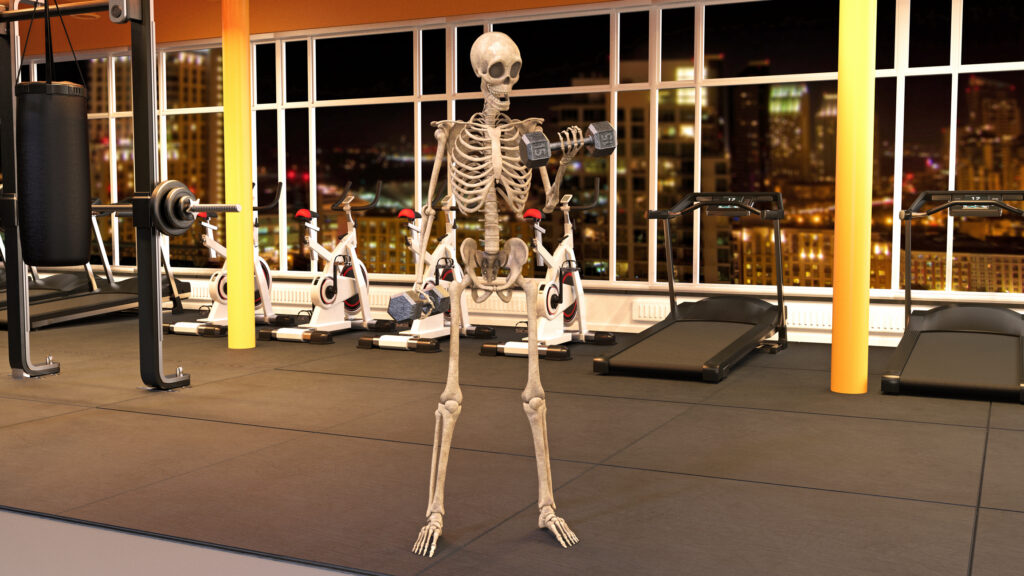
Distance running is popular due to its health benefits, low cost and accessibility. However, it is associated with high rates of overuse injuries. Particularly, female cross-country runners have some of the highest rates of bone-stress injuries, which include stress reactions and stress fractures. Poor bone health is a contributing factor in some athletes and can […]
Exploring the Physical Activity Decline in Childhood

There is no doubt that childhood and adolescence are decisive periods to acquire healthy lifestyle behaviors, like being physically active and participating in a variety of sports. When youngsters acquire an active lifestyle, there is a greater probability they will maintain it throughout their lives. The Active Healthy Kids Global Alliance released the Global Matrix 4.0 on […]
Muscle Strength Genotype Predicts Functional Capacity at Older Age
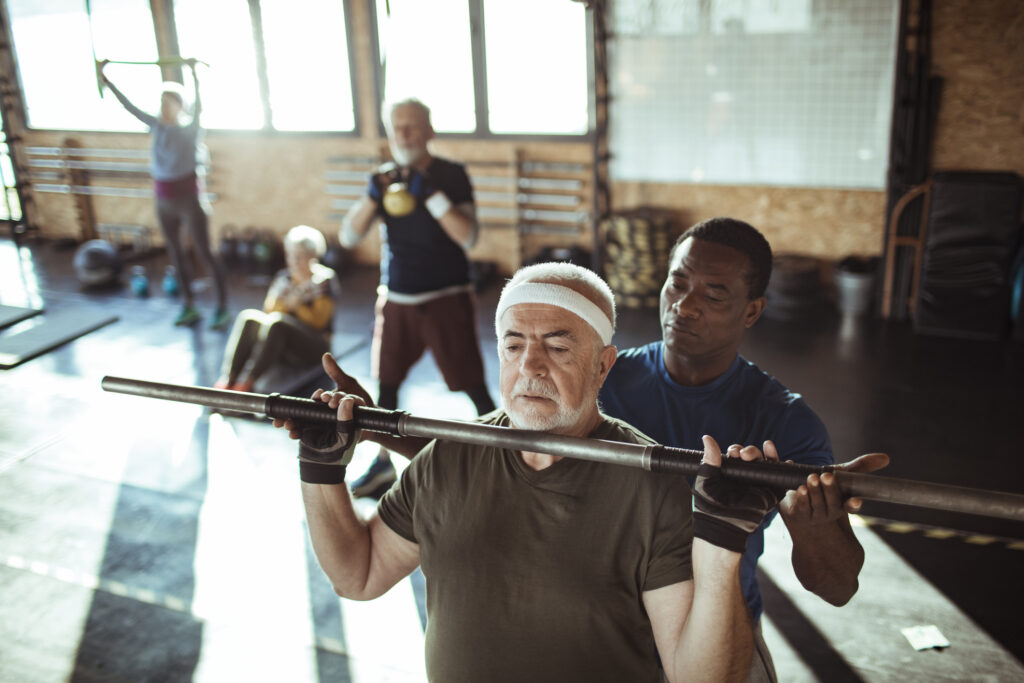
Throughout the lifespan, maximum hand grip strength reflects general health and vigor and is therefore commonly suggested to be a biomarker of aging. Although aging results in declines in muscle strength, individual strength changes follow a predictable pattern, as shown by strong correlations between measurements carried out decades apart. Family and twin studies have also […]
Disability, Employment and Progress in the Fitness Space
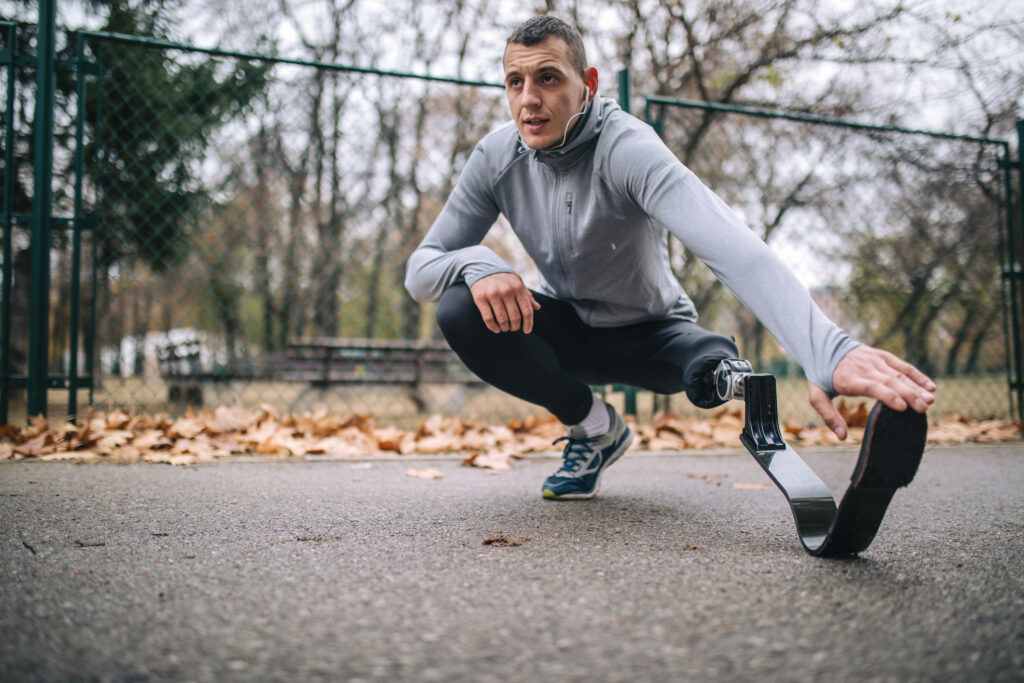
Did you know that 81% of people with a disability don’t feel welcome in the fitness industry? That means as fitness professionals, leaders and educators, we have a lot of work to do. One of the biggest areas of need is in representation. We are the fitness industry after all, and we know that representation […]
Hologic DXA Webinar Q&A
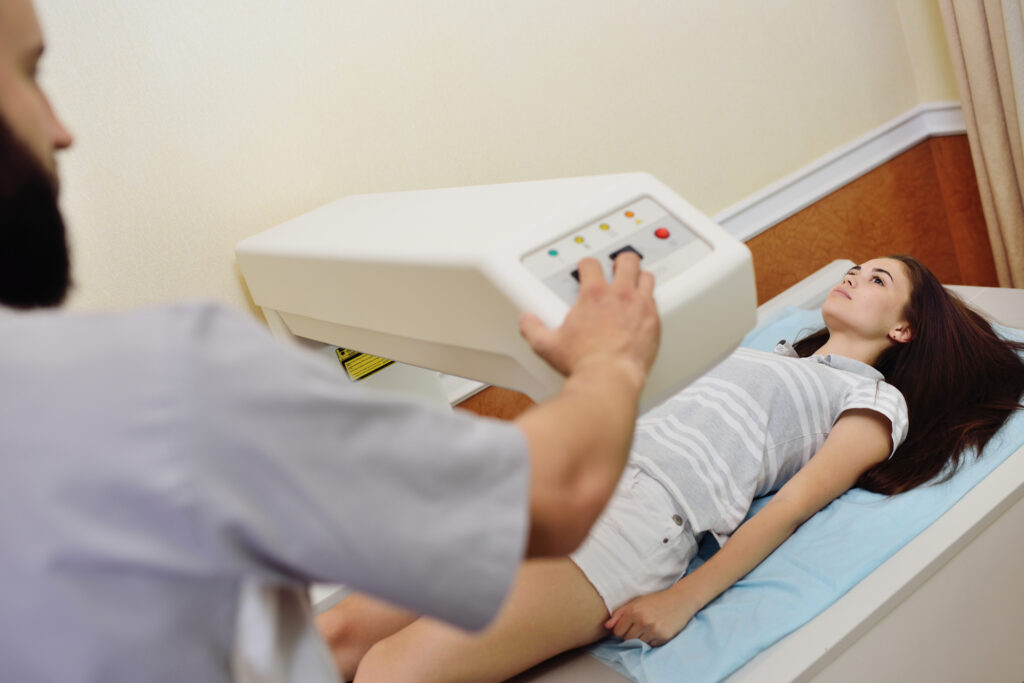
Access the webinar recording here Questions regarding other body composition assessment tools: There are many pros and cons to any body composition assessment tool, DXA included. Many of you asked my thoughts about other methods — specifically bioelectric impedance analysis (BIA — InBody), air displacement (BOD POD), 3D scanners such as the SizeStream, and ultrasound […]
Understanding Individual Variability in Exercise Response: Key Considerations for Research and Practice
The movement to recognize exercise as medicine has incited interest in personalized exercise prescription while simultaneously exposing weaknesses in the existing exercise science literature. As a field, it is acknowledged that differences in an individual’s phenotype (observed characteristics) and genetic makeup will contribute to a marked variability in response to standardized exercise. However, the assumption that this […]
Three Cheers for Ambivalence!
One element of the many skills developed as part of a coaching approach is the use of motivational interviewing (MI)(1). MI first emerged as a means of supporting people to manage significant and enduring addictions; however, its efficacy generally in supporting behavioral change is well documented. MI is a collaborative and conversational engagement with the […]
ACSM Resources on Sports-Related Concussions

As the global authority for sports medicine and exercise science, the American College of Sports Medicine (ACSM) helps advance and share research that addresses critical issues of the day. Sports-related concussion (SPC) continues to be an important topic affecting not only athletes, but family members, physicians, trainers, coaches and administrators as well. To assist in […]
A Sedentary Lifestyle Is Linked to Functional Decline, But Any Movement Can Help
Technological advancements in the past 60 years have led to an increasingly sedentary lifestyle. Changes in transportation, communication, the workplace and domestic entertainment have fostered environments in occupational, home and social settings that now demand or encourage sedentary behavior throughout most of the day. In recent years, we have become more aware of the negative […]