Music that Moves: Building a Playlist that Hits
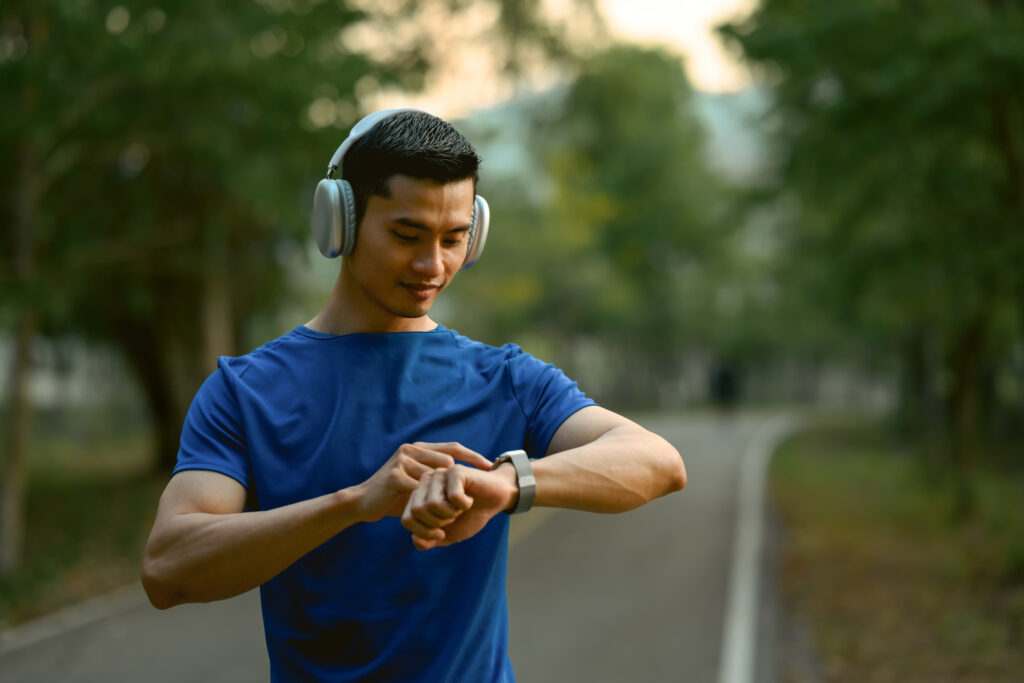
Anyone who has taken or taught a group exercise class knows the important role that music plays. The playlist sets the tone and tempo for the class, and it can greatly impact how much students enjoy the experience. Studies have shown that music can impact how hard students work during a class (intensity) and how long they […]
Cardiac Adaptation to Endurance and Resistance Training

In our Studies of Twin Responses to Understand Exercise THerapy (STRUETH) trial, we recruited monozygotic and dizygotic twin pairs and supervised them through three months of endurance training and three months of resistance exercise training. Each twin pair exercised together, at matched exercise prescriptions, and all subjects undertook both forms of exercise. We measured many […]
How to Build a Bike-Friendly Community

Cycling is an ideal form of transportation and recreation: More physically engaging than driving and far more mechanically efficient than walking or running, it’s the perfect balance of convenience and exercise. It’s better for our health, and better for the environment. There’s a sticking point, though: Many communities lack the necessary infrastructure for safe cycling. […]
Arlington, Va., Named Fittest City in 2022 American Fitness Index® Ranking
Arlington, Virginia, has been named “America’s Fittest City” in the annual American Fitness Index® rankings published by the American College of Sports Medicine (ACSM) and the Elevance Health Foundation, the philanthropic arm of Elevance Health. The ACSM / Elevance Health Foundation Fitness Index evaluated America’s 100 largest cities using 34 evidence-based indicators. Rounding out the top […]
Racial, Ethnic, and Nativity-Based Differences in Physical Activity Behaviors

As exercise professionals ranging from clinicians to personal trainers to researchers, we know that most adults in the United States are not getting enough moderate-to-vigorous intensity aerobic physical activity (MVPA). It is important for us to understand who may be at especially high risk of physical inactivity. Prior studies have shown that there may be […]
Q&A with New ACSM President Stacy Fischer

Anastasia “Stacy” Fischer, M.D., FACSM, was installed as president of ACSM during last month’s annual meeting in San Diego. SMB editor Lenny Kaminsky, Ph.D., FACSM, asked Dr. Fischer several questions that may be of interest to ACSM members. We appreciate Dr. Fischer taking the time to provide the following answers. Q: What can you say about ACSM’s annual meeting, the […]
Making the Business Case for CEPs

The influence of cardiopulmonary rehabilitation (CR) participation on desirable patient outcomes is well established. Moreover, the role clinical exercise physiologists (CEP) and exercise physiologists serve in such programs is becoming better understood and desirable in many health care settings. Less understood, and perhaps more vital for substantiating the CEP’s role in health care, are the […]
Reconsidering the Importance of Cardiorespiratory Fitness in Early Adulthood
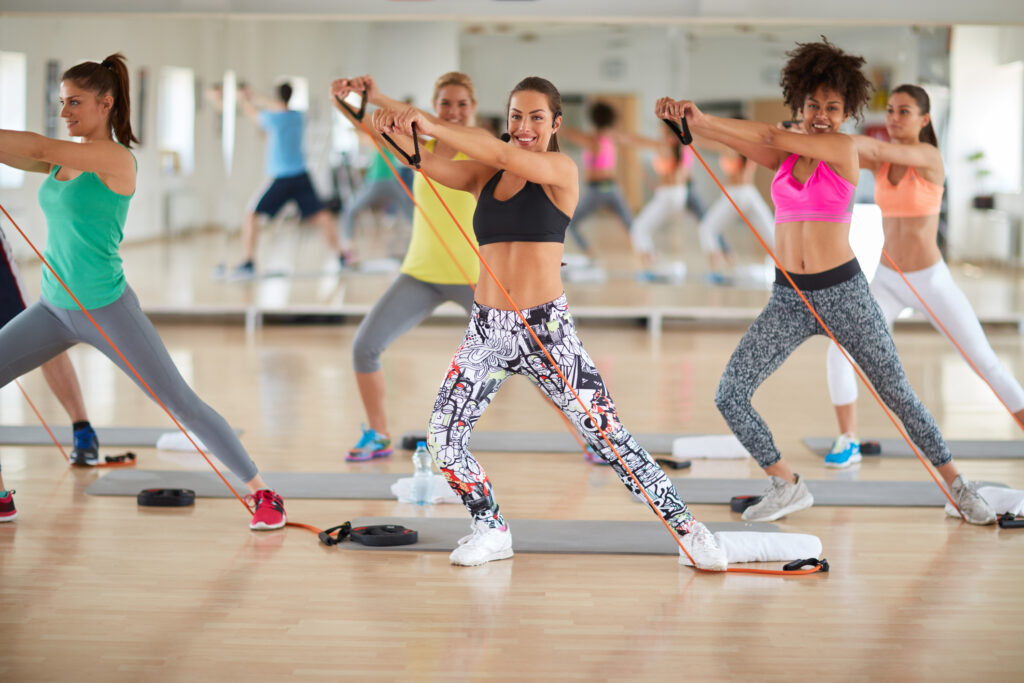
Cardiorespiratory fitness reflects integration of several body systems, including the cardiovascular, respiratory and musculoskeletal systems. It helps optimize heart health and is an important predictor of adverse health outcomes, including premature death, heart attack and heart disease. Indeed, the American Heart Association suggests that cardiorespiratory fitness should be measured as a vital sign during a doctor’s visit. […]
5 Skills of High Performers in the Fitness Industry

Public health is having a moment right now, and the fitness industry must rise to the occasion. The truth is, the fitness industry is uniquely positioned to improve many public health outcomes through promotion of regular physical activity. Positioning physical activity as part of the health care continuum — as an accessible, integral part of […]
How Being Dual Credentialed Can Improve Your Hiring and Salary Potential

Whether you are a seasoned fitness professional or a new trainer entering the field, it’s more important than ever to be versatile and competent in working with a variety of clientele. As our industry shifts with the needs and demands of the public, we want to be educated and experienced working with clients one on […]