
More than 800 million adults worldwide live with obesity. Of these, many have additional obesity-related chronic diseases, including type 2 diabetes, liver, and cardiovascular complications.
The direct and indirect costs associated with obesity treatment are significant. More than $173 billion in medical expenditures, with annual healthcare costs for adults living with obesity being two to four times higher than those for adults without obesity. You can find these and more facts from CDC.gov.

ACSM’s Obesity Care Exercise Specialist Certificate course has been carefully developed by leading obesity care researchers, practitioners, and exercise experts to provide evidence-based education and strategies to help professionals like you improve lives.
The latest research on obesity treatment pathways, including obesity medications and metabolic bariatric procedures, has been incorporated into this course to prepare the exercise professional to provide meaningful and effective support to clients using pharmacotherapy or surgical interventions.
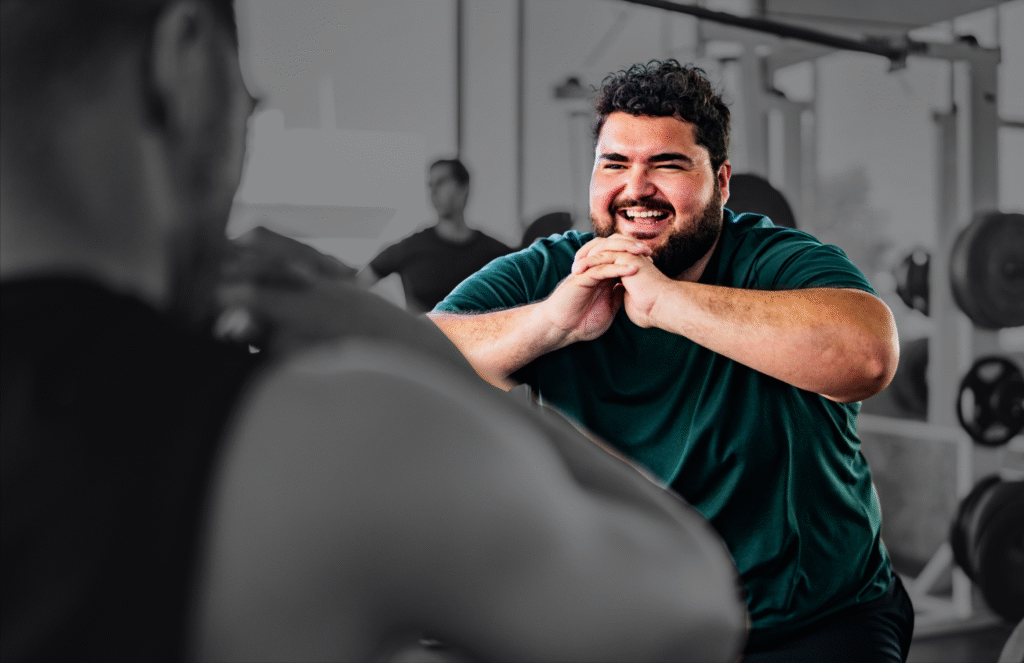
This course equips exercise professionals with the knowledge and skills to work confidently and compassionately with individuals living with obesity.
Facilities and organizations play a critical role in shaping the experience of people living with obesity. This course helps leaders build spaces that are inclusive, informed, and aligned with modern healthcare.
People living with obesity deserve access to qualified professionals who see them as more than a number.

There are no prerequisites required, although a base knowledge of medical terminology, human anatomy, and exercise prescription is recommended. Once earned, the ACSM’s Obesity Care Exercise Specialist Certificate will not expire or be required to renew. The ACSM Obesity Care Exercise Specialist Certificate is designed to connect the fitness and healthcare worlds, ensuring that individuals living with obesity receive consistent, compassionate, and evidence-based support across every touchpoint.
The ACSM Obesity Care Exercise Specialist Certificate is designed to equip exercise professionals with the knowledge, perspective, and practical tools needed to support individuals living with obesity through a science-based, person-centered lens.
Across 10 modules, you’ll build a comprehensive understanding of obesity as a complex, chronic disease and learn how to translate that science into meaningful, real-world programming. This course goes beyond theory helping you confidently navigate your role within a collaborative care model, reduce weight bias and stigma, and create movement experiences that help people feel and function their best each day.
Understand obesity as a chronic, relapsing disease influenced by neuroendocrine, biological, behavioral, and environmental factors shifting away from outdated, weight-centric narratives.
Explore the interconnected drivers of obesity, including genetics, physiology, environment, and behavior building a deeper appreciation for why simplistic solutions fall short.
Learn how to apply person-centered approaches that prioritize autonomy, lived experience, and individualized care while supporting motivation, adherence, and long-term engagement.
Examine how obesity impacts the body, including mobility, function, fatigue, and coexisting conditions so you can design safe, appropriate, and effective exercise programs.
Identify how environments and social experiences, including weight bias and stigma, shape participation in physical activity, and learn strategies to create more inclusive, supportive spaces.
Understand the role of physical activity within comprehensive obesity care, including scope of practice and the importance of working within interdisciplinary teams.
Review the evidence on lifestyle interventions, including physical activity, and learn how to set realistic expectations while designing programs that support health beyond weight outcomes.
Gain insight into obesity medications (including GLP-1–based therapies) and their implications for exercise programming, energy levels, and progression strategies.
Understand surgical treatment options and how to support individuals before and after procedures through thoughtful, stage-appropriate physical activity programming.
Develop the skills to advocate for stigma-free, evidence-based care while positioning yourself as a trusted professional within both the fitness industry and healthcare landscape.
By the end of this course you’ll be able to design safe, effective, and sustainable movement strategies, reduce weight bias and stigma, and work within your scope as part of a collaborative care team helping people living with obesity improve how they feel and function each day, not just what the scale says.
This course was designed by leading experts and educators in obesity treatment, research, and practice with a focus on the unique role of exercise and physical activity in comprehensive care models.
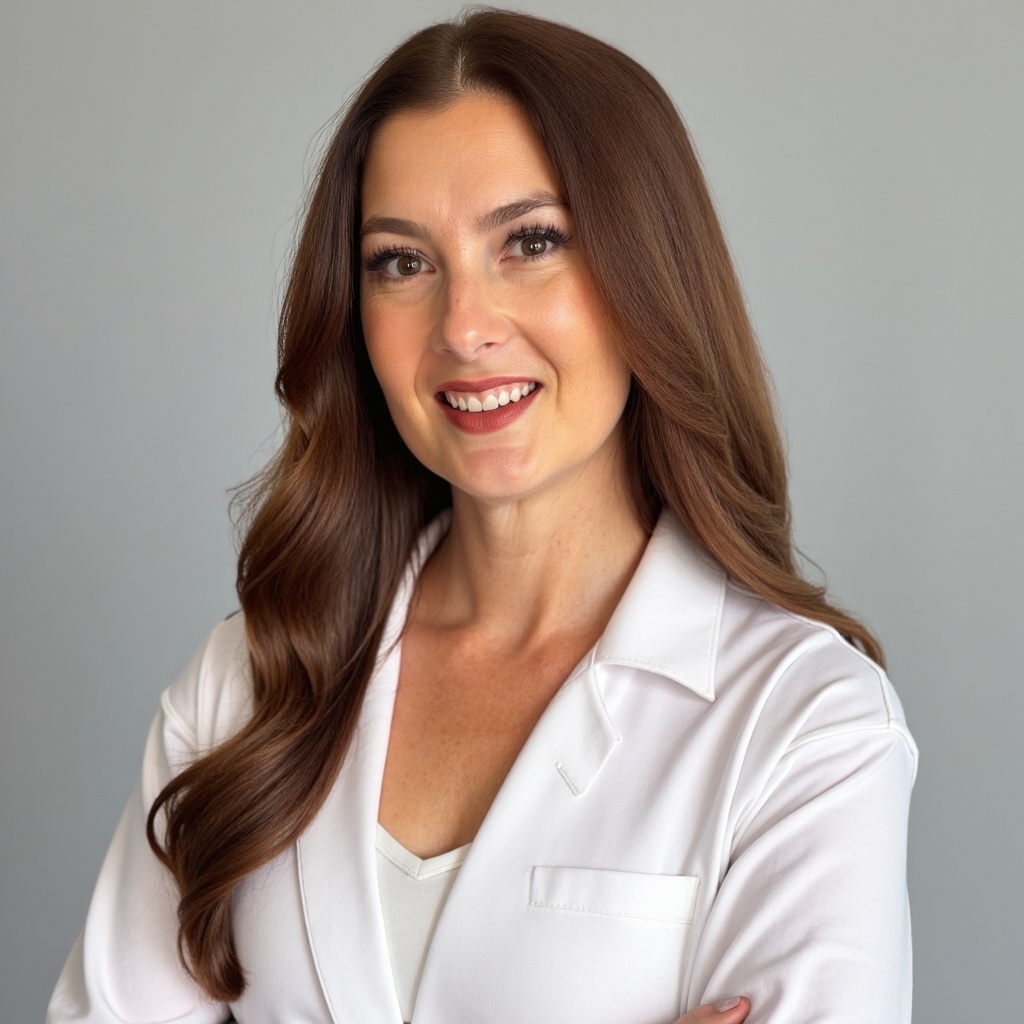
Renee J. Rogers, PhD, FACSM, FTOS, is an expert in designing and studying bio-behavioral health-related interventions for the treatment of obesity and other health conditions, with a focus on integrating exercise, behavioral strategies, and technology to support long-term adherence in obesity and chronic disease care. She is a sought-after educator, presenter, media contributor, and speaker, and is currently, a Senior Scientist at the University of Kansas Medical Center. Dr. Rogers blends her formal training in exercise physiology, health and human behavior, and obesity care with over 30 years of real-world experience as an exercise professional, researcher, strategist, and consultant to translate science into engaging, real-world programs. Her work bridges patient experiences and biological outcomes, with a research portfolio examining exercise, body composition and tissue health, and exercise engagement alongside contemporary obesity treatments including pharmacotherapy and metabolic bariatric surgery. She is a dedicated member of ACSM and has served in leadership roles including chairing the program committee for the Health & Fitness Summit, and the Strategic Health Initiative on Behavior. She also serves in leadership roles with The Obesity Society and is passionate about sharing the latest evidenced-based, weight-stigma-free messaging around obesity care. Dr. Rogers brings her translational, person-centered approach into designing impactful, evidence-based education for exercise and obesity care professionals.
“I am excited to serve as a course designer on this certificate because there is a need for exercise professionals that understand that obesity is a complex, chronic disease, and not a result of ‘lifestyle failure.’ Now is the time to change this narrative and give people living with obesity the support and care they need and deserve.”
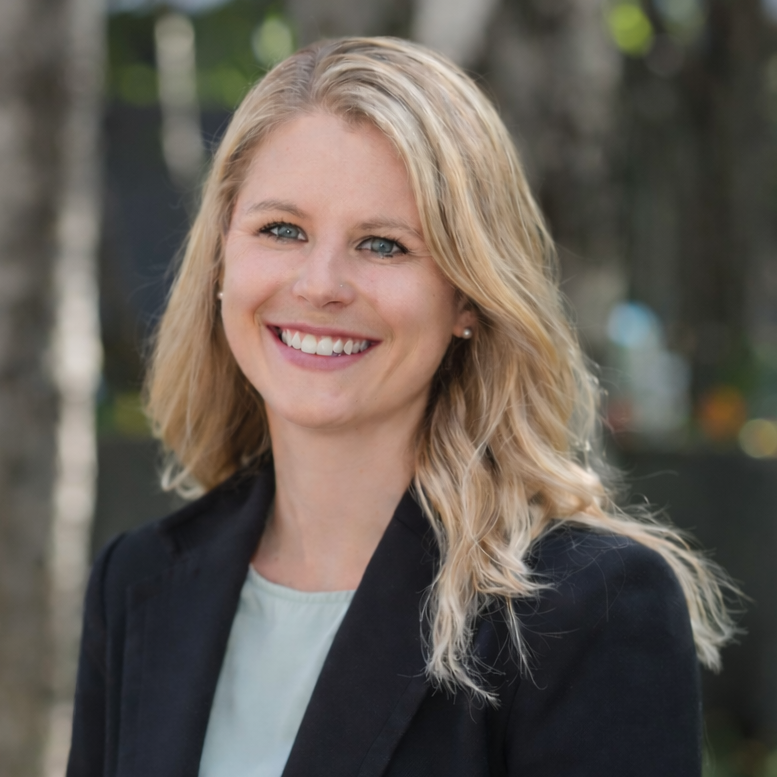
Sara J. Kovacs, PhD, FACSM, is an Associate Professor of Instruction and Undergraduate Program Director in the Department of Health and Rehabilitation Sciences at Temple University. She has extensive training in physical activity, weight management, and obesity care, with research focused on identifying strategies to improve participation and promote long-term engagement among individuals who are living with obesity or undergoing metabolic bariatric surgery. As an educator, Dr. Kovacs prepares current and future exercise professionals to promote physical activity in an inclusive and sustainable way. She is a leader in making behavioral theory digestible and applicable for exercise professionals, emphasizing evidence-based approaches to help humans engage in health-related behaviors, and cultivating weight bias and stigma-free, inclusive exercise environments. She is an expert in incorporating active learning to make exercise education engaging. The courses she teaches bridge science and practice and integrates active learning and learner-centered strategies to engage students and support real-world application. She has served as a member of several ACSM committees, co-author of a chapter for ACSM’s Guidelines for Exercise Testing and Prescription and was named the 2025 recipient of the Wolters Kluwer Innovation in Teaching Award presented by the ACSM Exercise Science Education Special Interest Group. She brings her extensive expertise in instructional design and learner engagement to the Obesity Care Exercise Specialist certificate.
“I am excited to serve as a course designer on this certificate because it represents a timely step in advancing exercise professionals’ education in obesity care. By bringing together leading experts and providing real-world examples, the certificate equips exercise professionals to provide inclusive, person-centered care that reflects the complexity of obesity and supports compassionate, evidence-based practice.”
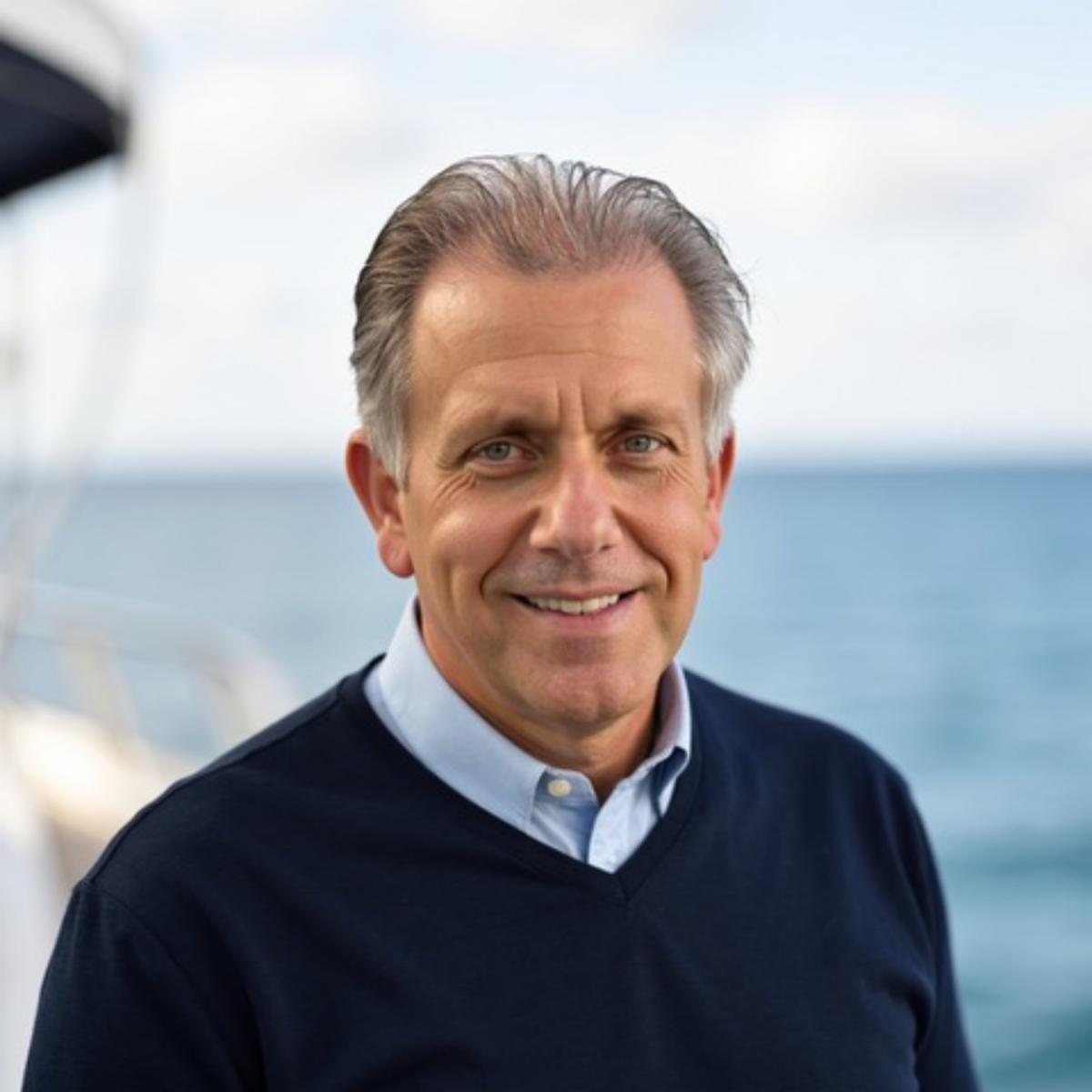
John M. Jakicic, PhD, FACSM, FAHA, FTOS, ACSM-CEP is a Professor of Internal Medicine in the Division of Physical Activity and Weight Management at the University of Kansas Medical Center and a world-wide leader in the role of physical activity and comprehensive behavioral intervention in obesity, body weight regulation, and chronic disease prevention science. His interdisciplinary research spans all obesity treatment pathways including lifestyle interventions, pharmacotherapy, and metabolic bariatric surgery. With over 300 publications and leading or contributing to numerous large-scale clinical trials, Dr. Jakicic has dedicated his career to establishing physical activity and exercise as an important component of weight management and obesity treatments. Beyond his impactful contributions to science, he is a dedicated speaker and translator of evidence into practice known for educating exercise professionals, clinicians, dietitians, and other members of comprehensive care teams. Dr. Jakicic has played a key role in shaping national and international physical activity guidelines, including service on the 2018 Physical Activity Guidelines Advisory Committee and the National Academies’ Round Table on Obesity Solutions. He has served ACSM as a Vice-President, a member of the Board of Trustees, and as the Chair of the Strategic Health Initiative for Obesity, and importantly, key author of ACSM’s Position Papers and Consensus Statements on the role of physical activity in obesity treatment. His work spans biological, behavioral, and psychosocial perspectives, positioning him uniquely to design evidence-based educational content that integrates physical activity science with contemporary obesity treatment approaches.
“I am excited to serve as a course designer on this certificate because obesity is a significant public health problem and movement and physical activity are key aspects of comprehensive care involving both treatment and prevention, and therefore it is imperative that movement, physical activity, and exercise professionals have the necessary understanding and training to provide these important services to individuals living with obesity.”

The Subject Matter Experts (SMEs) for this certificate span clinical practice, metabolic bariatric surgery, nutrition, mental health and clinical psychology, physiological and behavioral research, applied programming and practice, advocacy and policy, and importantly, represent the lived experience.
Caroline M. Apovian, MD, FACP, FTOS, DABOM is Co-Director of the Center for Weight Management and Wellness (CWMW) in the Division of Endocrinology, Diabetes, and Hypertension at Brigham and Women’s Hospital and Professor of Medicine at Harvard Medical School. For over thirty years, Dr. Apovian has held a position at the forefront of the obesity and nutrition fields. One of the world’s premier weight management experts, she has distinguished herself as a leading researcher, healthcare provider, teacher, and New York Times bestselling author.
“I am excited to serve as a subject matter expert on this certificate because exercise is an important component of obesity treatment, and this certificate will provide an opportunity to train qualified and knowledgeable exercise professionals who can be integrated into the care of patients living with obesity.”
Anita P. Courcoulas, MD, MPH, FACS, is a Distinguished Professor of Surgery and Chief of the Division of Minimally Invasive Bariatric and General Surgery at the University of Pittsburgh. Her nationally funded research and clinical expertise focus on metabolic bariatric surgery to treat obesity and type 2 diabetes, long-term health outcomes of surgical approaches, and evaluation of surgical technology and devices.
“I am excited to serve as a subject matter expert on this certificate because of the importance of better utilizing and understanding the role of exercise in the treatment of obesity and metabolic diseases.”
Nina Crowley, PhD, RDN, LD, is a Registered Dietitian Nutritionist and Health Psychologist, and a leader in obesity care advocacy. She serves as Director of Clinical Thought Leadership and Partnerships for seca. Her work focuses on the intersection of obesity care, body composition, and behavior change, helping care teams and organizations move beyond weight-centric models toward care that’s evidence-based, patient-centered, and compassionate.
“I am excited to serve as a subject matter expert on this certificate because I’ve seen firsthand how powerful exercise professionals can be in shaping trust, motivation, and long-term engagement in obesity care, and I want to help ensure they feel confident using approaches that are both evidence-based and deeply human.”
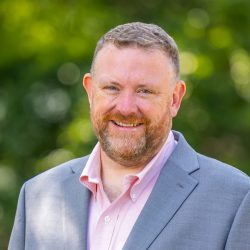
Michael Donnelly-Boylen is an obesity care advocate whose work is grounded in lived experience with the disease of obesity. He serves on the Obesity Action Coalition’s Access to Care Committee and on the Obesity and Weight Management Advisory Group of the American Diabetes Association. Through his TikTok presence as Mike on a Mission and his Substack newsletter, The Mission Brief, he shares lived experience and engages in open conversations about obesity treatment, stigma, and access to care. His work centers on elevating patient voice, promoting dignity in care, and strengthening understanding between patients and providers.
“I am excited to serve as a subject matter expert on this certificate because we need to build a culture that makes people living in bigger bodies feel seen and supported in their health journeys.”
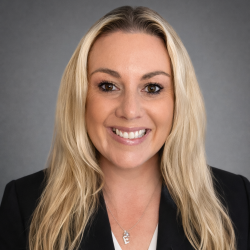
Sarah J. Le Brocq, BSc (Hons), is an obesity advocate and Founder and Director of All About Obesity CIC, bringing expertise grounded in lived experience, a science background, and extensive experience collaborating globally with industry and obesity-focused organizations. She is widely recognized as a thought leader in obesity care through her contributions to policy and system-level initiatives.
“I am excited to serve as a subject matter expert on this certificate because I am passionate about people understanding the true complexities of obesity and being able to embrace and support people of all shapes and sizes into the world of exercise. I want to feel like I belong there.”
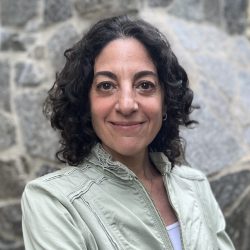
Melissa A. Napolitano, PhD, is a Professor in the Departments of Prevention and Community Health and Exercise and Nutrition Sciences at The George Washington University. She is a leader in developing and studying behavior-focused physical activity and weight management interventions. She consulted on the 2018 Physical Activity Guidelines for Americans and served as an expert on the National Academies’ Roundtable on Obesity Solutions.
“I am excited to serve as a subject matter expert on this certificate because it aligns with my professional expertise in psychology, physical activity, and prevention through the life course, and my commitment to evidence-based, stigma-free approaches to obesity care. I was eager to contribute to a certificate that equips exercise professionals with the skills needed to support individuals with obesity in a respectful, patient-centered manner.”
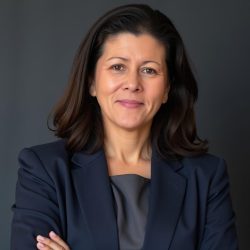
Robyn Pashby, PhD, is a clinical health psychologist and leader in obesity care with expertise in mental health and psychological well-being. She is the founder of Health Psychology Partners and sought-after author, media contributor, and speaker. Her work centers on eating and weight-health concerns, weight bias and stigma, and advancing respectful, weight-inclusive, patient-centered care across healthcare settings.
“I am excited to serve as a subject matter expert on this certificate because of the doors this training can open! If just one fitness professional feels confident in making a referral for mental health care to someone who needs it after taking this training, it is worth every bit of time and energy that went into its creation.”
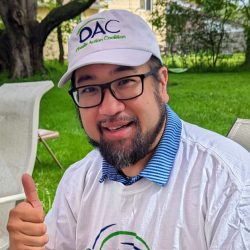
Vu Pham is a patient with lived experience of the complex disease of obesity. He is a proud member of the Obesity Action Coalition and lends his voice and experiences in the hopes that the world that he leaves for his five children and others will be one that understands the that obesity is a complex disease, that is free of weight bias and stigma, and that everyone has access to the care they all deserve on a basic human level.
“I am excited to serve as a subject matter expert on this certificate because patients living with obesity deserve partners in healthcare who meet them where they are in their health journey and listen without bias.”
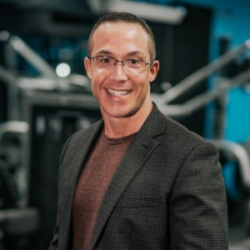
Michael Stack BS, ACSM-EP, EIM, ACSM-PAPHS, CSCS, FMFA is the founder & CEO of Applied Fitness Solutions, the Michigan Moves Coalition and the President of the Physical Activity Alliance. He is an exercise physiologist by training and a health entrepreneur, health educator, and health policy advocate by trade. He is dedicated to the policy and system changes to ensure exercise professionals become an essential part of healthcare delivery.
“I am excited to serve as a subject matter expert on this certificate because being a passionate advocate accelerates the professionalization of the field and strengthens the role of exercise as a foundational component of obesity treatment.”
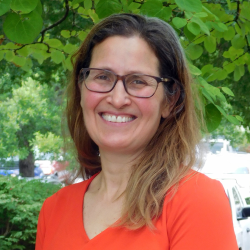
Stella L. Volpe, PhD, RDN, ACSM-CEP, FACSM, is a nationally recognized leader in nutrition, exercise physiology, and obesity-related research and education. She is a Professor and Department Head of Human Nutrition, Foods, and Exercise at Virginia Tech and served as the 2024–2025 President of the American College of Sports Medicine, with research focused on obesity and diabetes prevention.
“I am excited to serve as a subject matter expert on this certificate because this certificate will be the most comprehensive certificate on obesity care.”
This session explores the physiology of hydration through an integrated lens—examining how carbohydrate, sodium, flavor, and fluid interact to influence intake, absorption, retention, and performance. We’ll review current research on fluid balance, osmotic drivers, and palatability, highlighting mechanisms that underpin voluntary intake and thermoregulation. Attendees will gain insight into individualized strategies, including sweat profiling and timing approaches, to optimize euhydration and mitigate performance decrements associated with >2% body-mass loss. Practical applications will be linked to laboratory- and field-based research, ensuring translation from bench to field. This pre-conference equips you with evidence-based tools to support athlete hydration across diverse environments and sporting contexts.