Industry-Presented Q&A: How to Effectively Communicate the Science Behind Performance with your Athletes

Thank you to everyone who attended the March 10, 2022 Gatorade Sports Science Institute webinar on “How to Effectively Communicate the Science Behind Performance With Your Athletes.” Below is a series of follow-up questions and answers provided by presenter Kevin Luhrs. The course is still available here along with 1 CEC. Save up to 50% on […]
High-Intensity Interval Training (HIIT) Enhances Neuroplasticity in Healthy Older Adults

Neuroplasticity is the ability of the brain to physiologically change due to our experiences. There is accumulating evidence for the benefits of a single session of aerobic exercise to enhance motor learning and neuroplasticity in young adults. Stationary cycling exercise performed immediately before or after skilled motor practice enhances motor learning that involves movements of […]
Highly Cushioned Shoes Improve Running Performance Even in the Presence of Muscle Damage
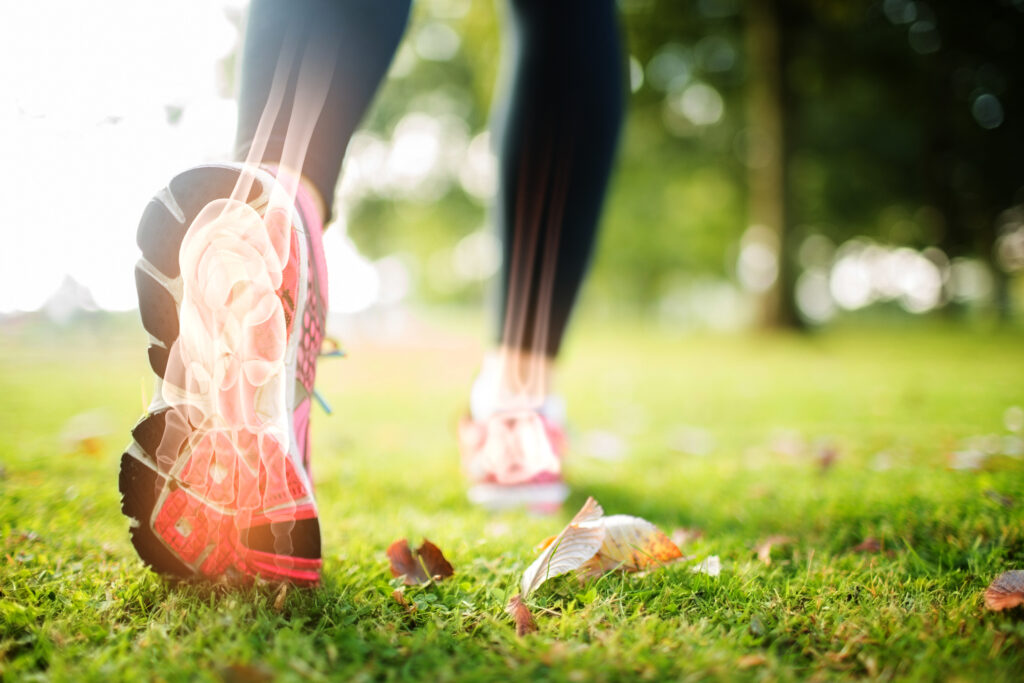
From a physiological perspective, long-distance running performance is determined by the interaction of three factors: maximal oxygen uptake, the highest oxygen uptake that can be sustained (at steady-state) and running economy (the amount of oxygen required to transport the body mass over a given distance). While each one of these factors is important to performance, […]
Autism & Exercise — Getting Parents Up to Speed

“My child is no longer involved in occupational therapy or physical therapy, so he’s not moving as much. What should I do … ?” This is a conversation I have had many times over the last 18 years. Parents call my organization, Exercise Connection, in their search to find a logical next step. What they […]
“Mind the Drift” of HR for Accurate Exercise Intensity Implementation in Prolonged Aerobic Exercise
An appropriate and individualized dose of regular aerobic exercise is recommended to promote and preserve cardiorespiratory health throughout life. The exercise dose is defined by four ingredients: frequency, intensity, time and type of exercise. Among these, intensity is the most elusive term of the exercise “prescription.” It is typically determined from an external load (such […]
Clinical Exercise Physiologists in the Workforce

A clinical exercise physiologist (CEP) is an allied health professional trained to work with persons diagnosed with a chronic disease for which exercise training has been shown to be therapeutically beneficial. Such conditions include cardiovascular, pulmonary, metabolic, neuromuscular, immunological and orthopedic disorders, among others. Primarily, CEPs work in medically supervised environments providing programs or services directed by […]
ACSM Names Alexis Batrakoulis 2022 Certified Fitness Professional of the Year
The American College of Sports Medicine (ACSM) today announced Alexis Batrakoulis, Ph.D., ACSM-EP, ACSM-CPT, EIM-II, as the 2022 ACSM Certified Professional of the Year during its annual International Health & Fitness Summit in Dallas, Texas. ACSM created the Certified Professional of the Year award to recognize excellence in the exercise profession. The award also acknowledges the education […]
Women in Sports Medicine and Exercise Science: Accomplishments and Aspirations

As Women’s History Month draws to a close, it’s a fitting time to reflect on the accomplishments of women in our field and the gains we’ve made, as well as thank the mentors and leaders who blazed a path forward. The American College of Sports Medicine (ACSM) continues to lead in this regard, with accomplished women at […]
Low Fit Patients with Breast Cancer May Not Complete Chemotherapy
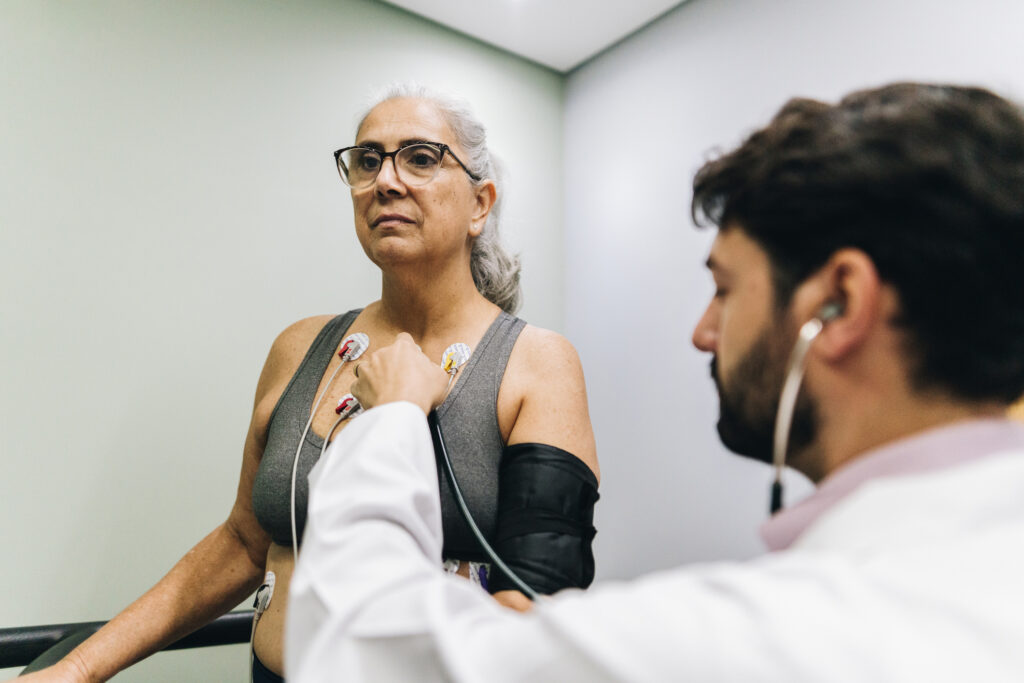
Several international guidelines and position statements have recommended that exercise should be embedded as standard practice in cancer care. The main argument for this has been symptom control, in particular for fatigue. Exercise during or after cancer treatment also improves quality of life, physical and role functioning, and reduces anxiety and depression. Following the 2018 […]
How ACSM-EPs and ACSM-CEPs Can Advance the Profession’s Recognition, Compensation

In March 2021, ACSM assembled a task force to determine how to streamline the reimbursement process for ACSM Certified Exercise Physiologists® (ACSM-EPs) and ACSM Certified Clinical Exercise Physiologists® (ACSM-CEPs). The consensus? Get ACSM EPs and CEPs recognized as qualified health care professionals, or QHPs. Well, what’s a QHP? According to the American Medical Association, a QHP is […]