What Does the Team Physician Need to Know about Initial Management of Musculoskeletal Injuries?
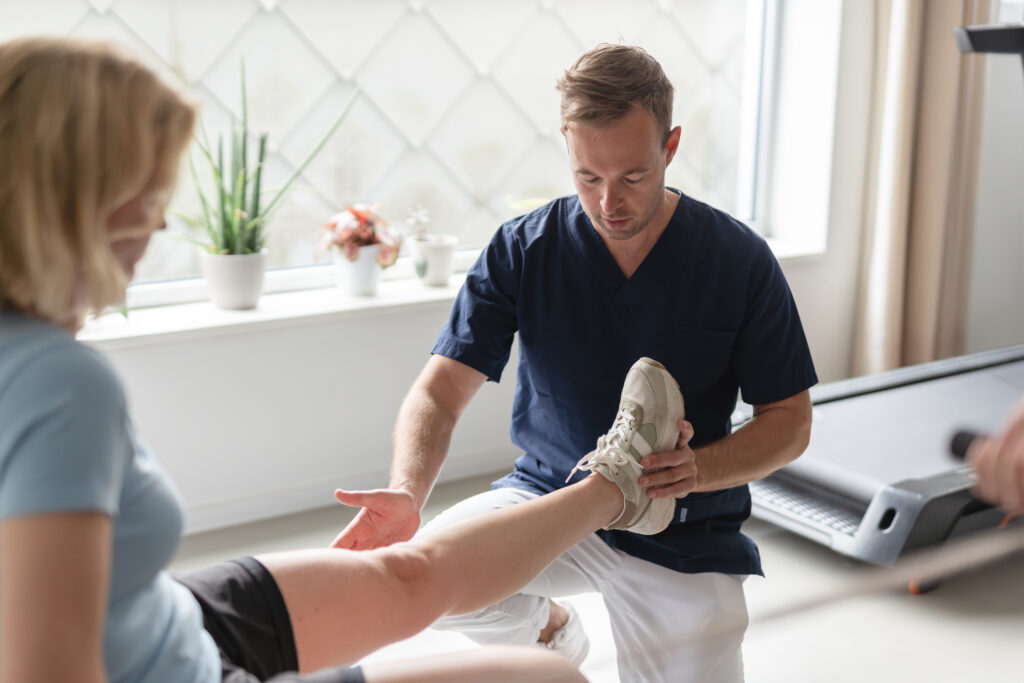
The team physician commonly encounters musculoskeletal injuries resulting from athletic activities, including during practice, training and competition. The most common injuries encountered by a team physician include shoulder dislocation/subluxation, disabled throwing shoulders, elbow ulnar collateral injuries, hamstring injuries, anterior cruciate ligament (ACL) injuries, meniscus (cartilage) tears, ankle sprains, and groin and hip injuries. Discerning what […]
Continuing Education for Professional Growth

As the associate vice president of certification and credentialing at ACSM, one area I am most passionate about is supporting ACSM’s exercise professionals in navigating their career goals. I have had the distinct pleasure of connecting with numerous stakeholders across the spectrum of the exercise profession: students starting their careers in the exercise sciences, professors […]
ACSM Announces 2024 Certified Professional of the Year
INDIANAPOLIS, IN (February, 23 2024) Brian Cleven, M.S., ACSM-CEP, LAT has been named the American College of Sports Medicine (ACSM) Certified Certified Professional of the Year of the Year for 2024. Cleven received the award today during the 2024 IDEA & ACSM Health & Fitness Summit in Chicago, IL. ACSM’s Committee for Certification and Registry Boards and ACSM’s Health […]
Reducing Heart Disease Risk for Young and Middle-Aged African Americans
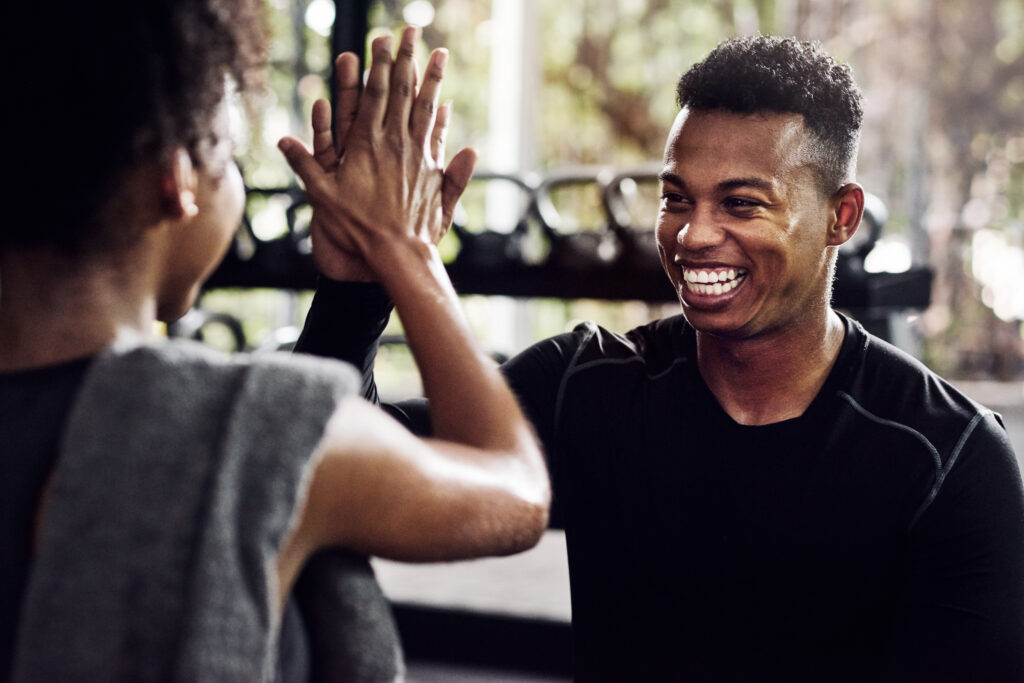
In the U.S., the death rate for African Americans with heart disease is declining. However, more than 100,000 African Americans continue to die each year from cardiovascular disease and retain a significantly higher death rate than any other racial group. A January 2022 report from the Office of Minority Health noted that approximately 57% of African Americans have […]
Creative Strategies to Amplify Your Research and Scientific Voice
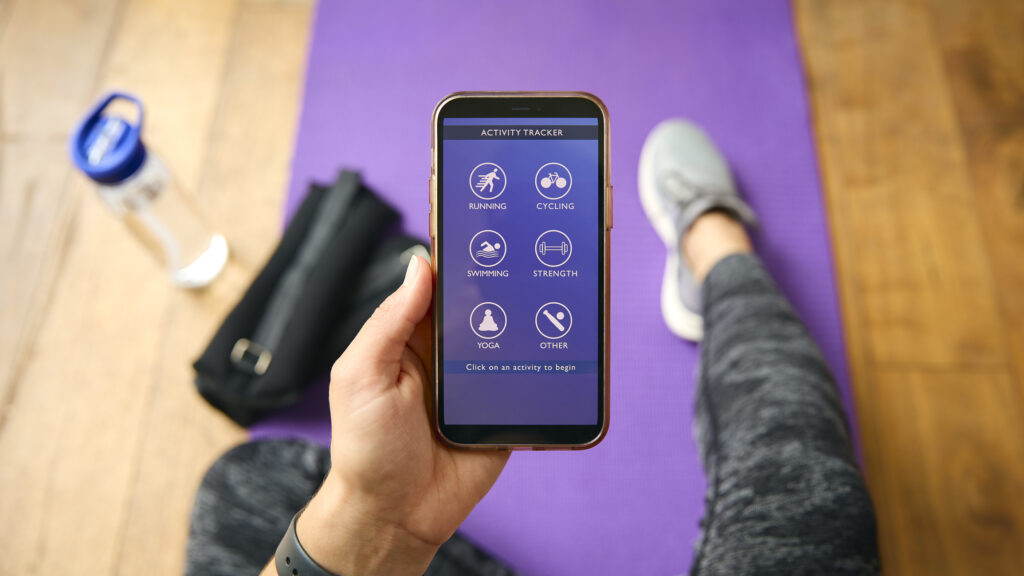
For young researchers, the excitement of publishing is often overshadowed by the questions “Will my work reach a wider audience, or will only a handful read it?” and “If my work is read, will the impact of my work be understood by the reader?” Such concerns can propel students and young professionals to seek innovative […]
Doing What We Mean to Do: Following Through with Fitness Goals

As February comes to a close, I have to ask — have you kept up with your fitness resolutions? We’re in the period where people tend to fall off, after all. If you’re reading this, you’re probably not the kind of person who needs to make a New Years’ resolution to get in shape. But […]
NFL Veteran Chris Draft Joins ACSM’s Moving Through Cancer Task Force Board
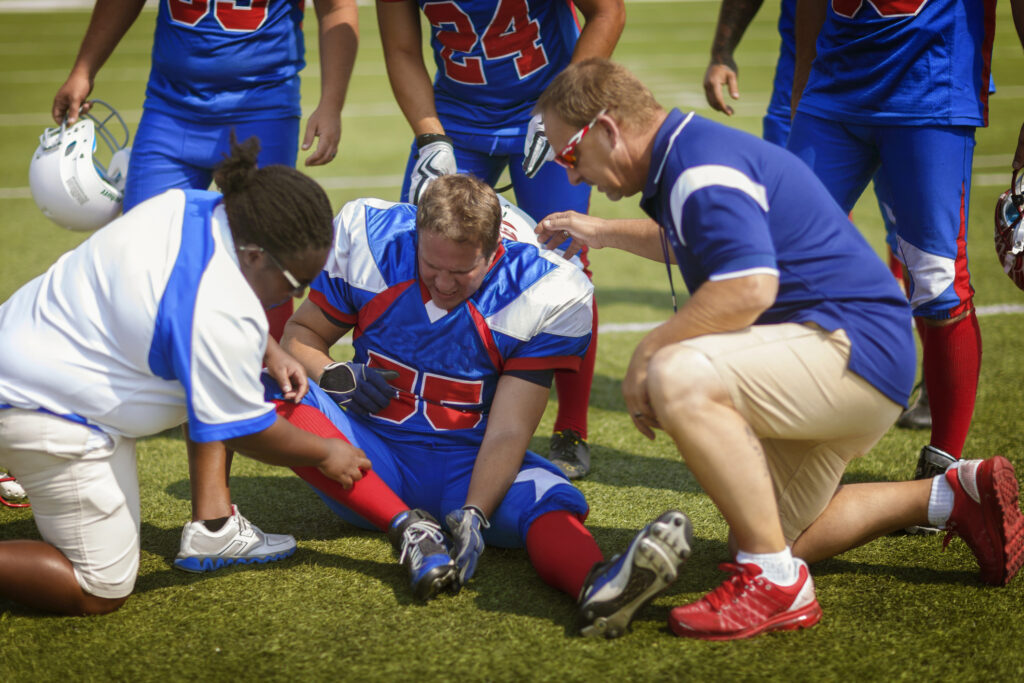
INDIANAPOLIS, IN (February 14, 2024) The American College of Sports Medicine (ACSM) and its Exercise is Medicine Program (EIM) announced today that former NFL linebacker Chris Draft has joined the Moving Through Cancer Task Force Board. Moving Through Cancer is the first disease-specific initiative within EIM and focused on making exercise a standard of oncological […]
Whole Body Fatigability as a Measure of Mortality Risk
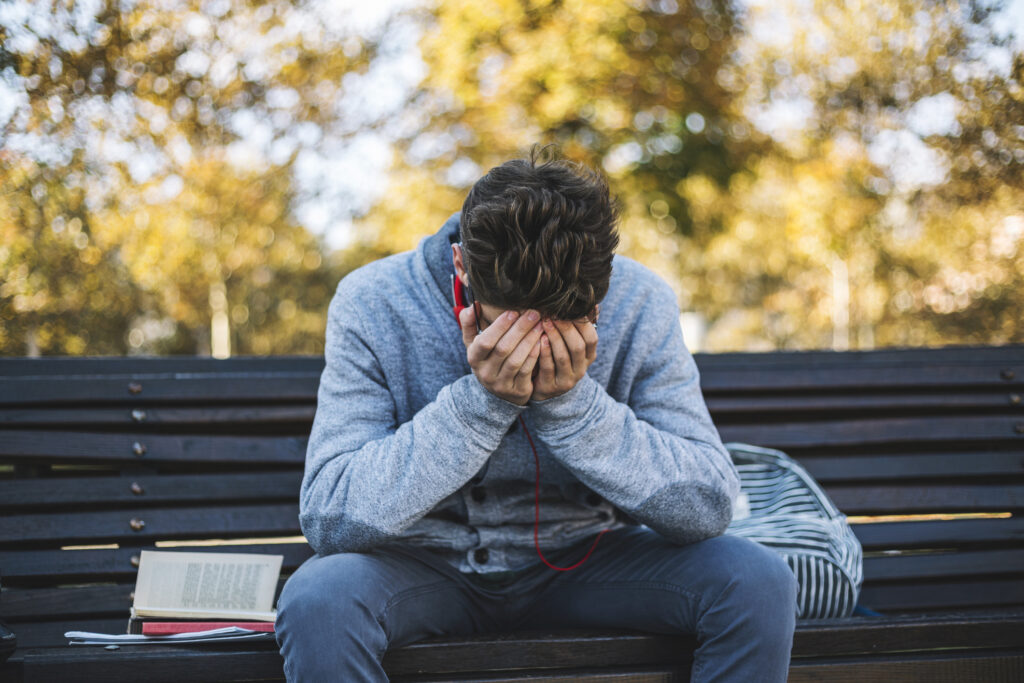
A common definition of fatigue is a “subjective lack of physical and/or mental energy perceived to interfere with usual or desired activities.” Fatigue is a typical response to physical or mental exertion such as exercise, challenging physical tasks, or a long day’s work or dealing with emotionally taxing situations. Yet, everyday fatigue is a common […]
Making Physical Activity Business as Usual: A Comparison of Design Features in Cancer Care Models Across the Atlantic

Evidence shows that physical activity is highly beneficial for people living with and beyond cancer and is one of the most effective ways to manage the side effects of treatment and improve quality of life1. Despite this, physical activity support is not routinely available within cancer care and most people diagnosed with cancer are not […]
ESSR’s Top and Cutting-Edge Content from 2023

Several of the highest impact and most read articles over the last five years that have been published in Exercise and Sport Sciences Reviews (ESSR) include topics of sitting too much (2010), the effects of exercise on the gut microbiome (2019) and exercise snacks to improve cardiometabolic health (2022). The content of these articles continues to be highly relevant and are excellent examples of […]