
Heat, Climate Change and Work Protections
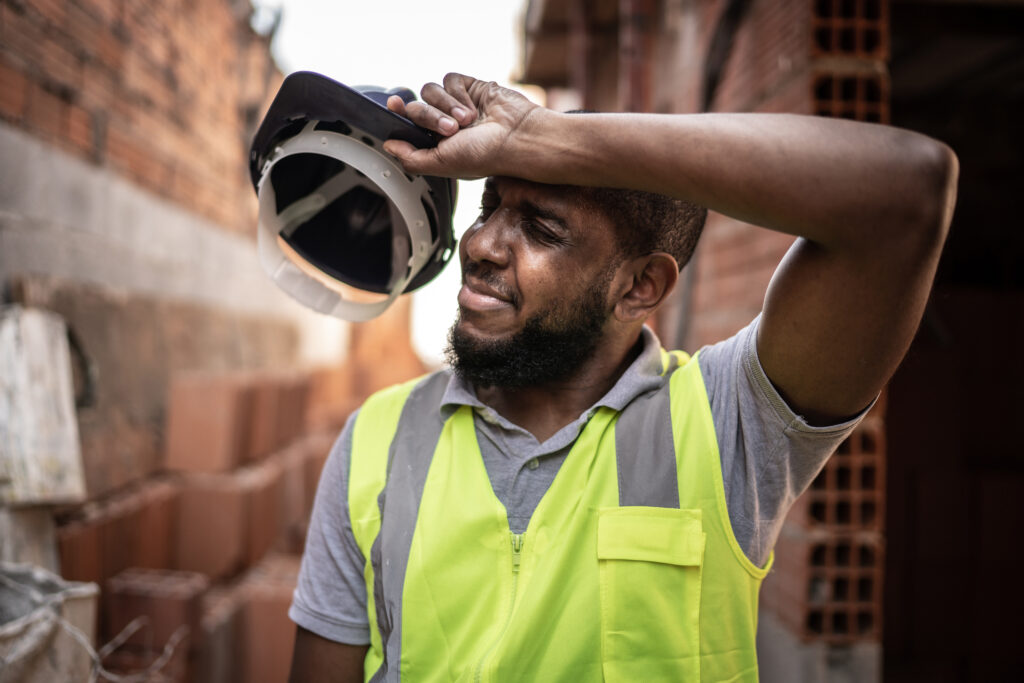
Learn about OSHA’s proposed rule that aims to protect workers from heat illness with hydration, rest breaks, and temperature monitoring.
Importance of Exercise in Hypertension Identification and Management
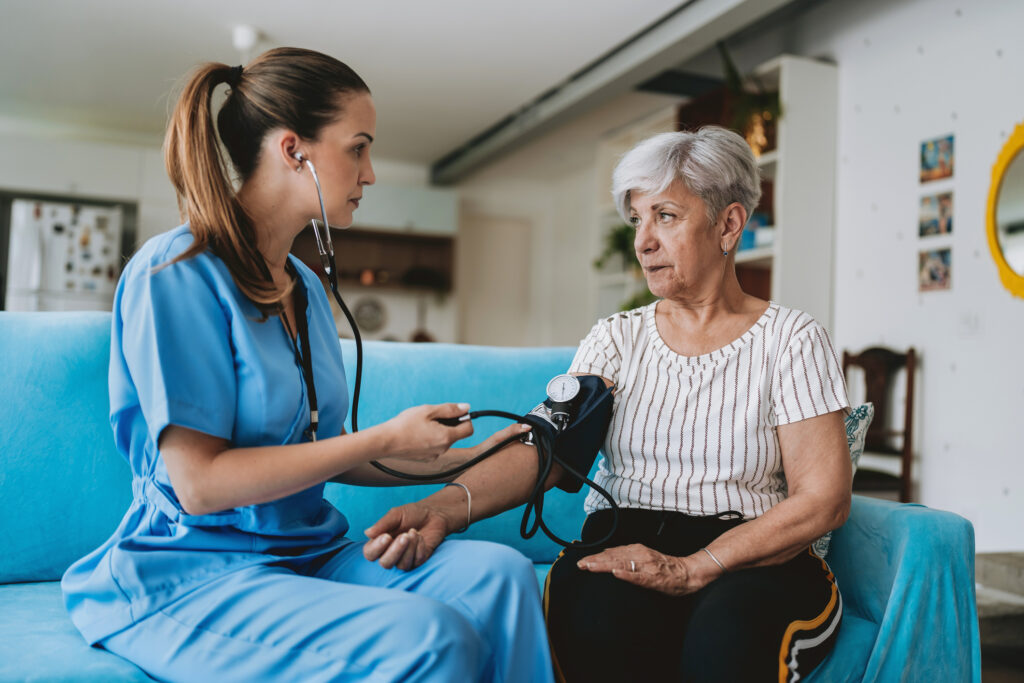
Hypertension, or high blood pressure, remains the leading modifiable cardiovascular disease risk factor. It is estimated that nearly half of American adults have hypertension, which is defined as a resting systolic blood pressure greater than or equal to 130 mmHg and/or a diastolic blood pressure greater than or equal to 80 mmHg. Even more alarming, […]
Policy Corner: Developments Associated With the New Administration

We continue to monitor and assess the rapidly changing developments in the nation’s capital and their potential impact on ACSM’s vision and mission. We are actively looking for opportunities to communicate ACSM’s position and influence decisions regarding the critical importance of scientific research and access to physical activity for all citizens. Here are the latest […]
Pregnancy, 24-Hour Physical Activity Behavior and Infant Growth

Physical activity during pregnancy is recommended for its many benefits for both mother and fetus, including reducing the risk of pregnancy complications, perinatal depression and risk factors for childhood obesity, such as high birthweight. Many people of reproductive age are not active, and pregnancy can be a motivating time to start physical activity. Fortunately, current guidelines […]
Athletes, Food & Fear of Weight Gain

As a sports nutritionist, I spend too many counseling hours resolving the weight concerns of athletic people. Females and males alike come to me trying to figure out how to lose weight. The “eat less and move more” paradigm doesn’t always work. Weight is more than a matter of will power. Despite restricting their food […]
Clinical Highlights from Current Sports Medicine Reports | Q4 2024
I hope everyone’s 2025 is off to a good start and welcome to the highlights and review of the AMAZING material published over the last quarter in Current Sports Medicine Reports (CSMR). Invited Commentary Integrating Fitness Equipment in Persistent Traumatic Stress Environments for Reducing Drug Overdoses authored by Eric Randall, BS. This is a great example of […]
Airborne Pollution and Outdoor Exercise
The World Health Organization (WHO) states that 99% of the world’s population lives in places where air pollution exceeds recommended limits. Thus, we should keep the questions of how, when and if to engage in outdoor physical activity top of mind. Interestingly, among the organs in the human body, the lungs are unique because they […]
Key Policies Shaping U.S. Governance in 2025
Extending Federal Funding Through March 14, 2025 On Dec. 20, 2024, the U.S. Congress passed a Continuing Resolution (CR), H.R. 10545, to extend federal funding and avert a government shutdown through March 14, 2025. The bipartisan measure maintains government operations at current funding levels and includes several key provisions: The CR also upholds existing policy provisions, […]
Symptoms and Cognition in Female Collision Sport Athletes

Since the enactment of Title IX in 1972, the number of girls participating in high school athletics has tripled, with the greatest increases appearing in contact and collision sports. Despite this increase in sports participation, female athletes remain underrepresented in studies of sport-related brain trauma. With fewer true collision sports available for female athletes, previous […]
“Sex Differences in Athletic Performance: Perspectives on Transgender Athletes”: ESSR 2023 Paper of the Year in the University Classroom

The American College of Sports Medicine (ACSM)’s journal, Exercise and Sport Sciences Reviews (ESSR), awarded the “2023 Paper of the Year” designation to Sex Differences in Athletic Performance: Perspectives on Transgender Athletes (Volume 51, July 2023), collaborated on by authors Natalie J. Nokoff, Jonathan Senefeld, Csilla Krausz, Sandra Hunter, and Michael Joyner. The manuscript provides an overview of sex-based […]