
Exercise and Sports Sciences Reviews Unveils New Cover Art

ACSM is excited to announce a fresh new look for Exercise and Sport Sciences Reviews (ESSR), thanks to the diligent work of the publication team and longtime ACSM designer Dave Brewer. The new cover made its debut on the January 2023 issue. ESSR had its start in 1972 as annual hardcover volume and in 2000 transitioned to a quarterly […]
Pedaling toward Activity-Supportive Workplace Environments

Approximately 80% of jobs in the United States are predominantly sedentary. Sedentary work time is also increasing worldwide. National and global policy guidelines recommend breaking up sedentary work time to improve population health and reduce premature mortality. However, policies and job demands requiring workers to remain at their desks, along with limited funds and space for exercise equipment, can […]
GSSI Presented Webinar Q&A | Internal and External Load Monitoring
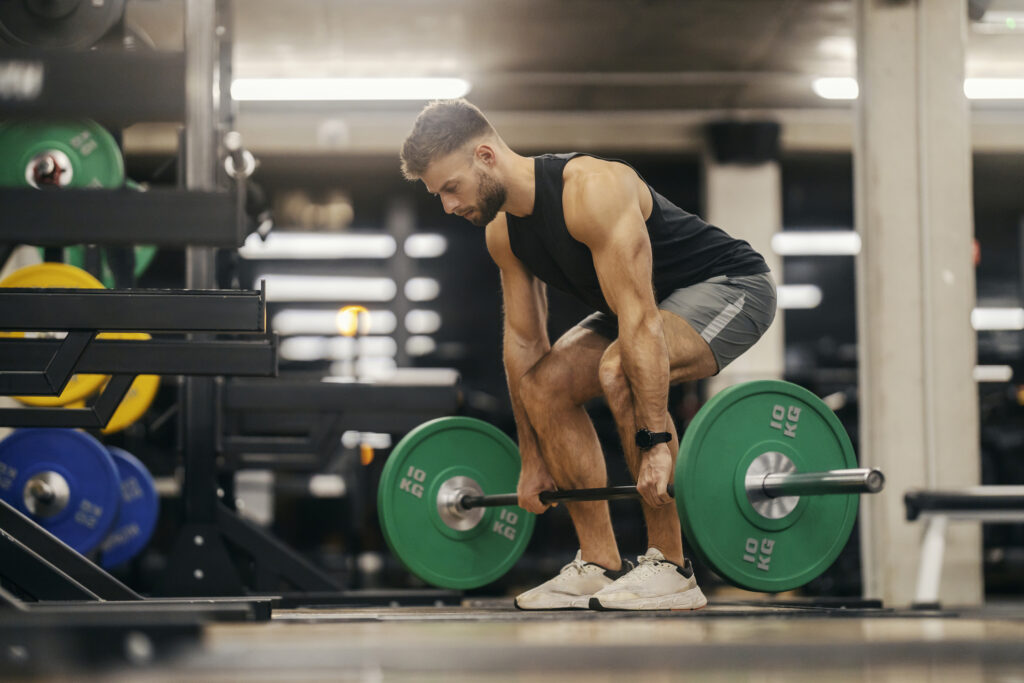
Miss the webinar? Access it below along with an opportunity for one CEC. View the webinar One CEC available here Q: How are we conceptualizing “readiness” in this context? Readiness can have a variety of meanings, but in the context of athletic readiness, it’s the return to psychophysiological homeostasis that enables an […]
What Is a Normal Rating of Perceived Exertion During Maximal Exercise Testing?
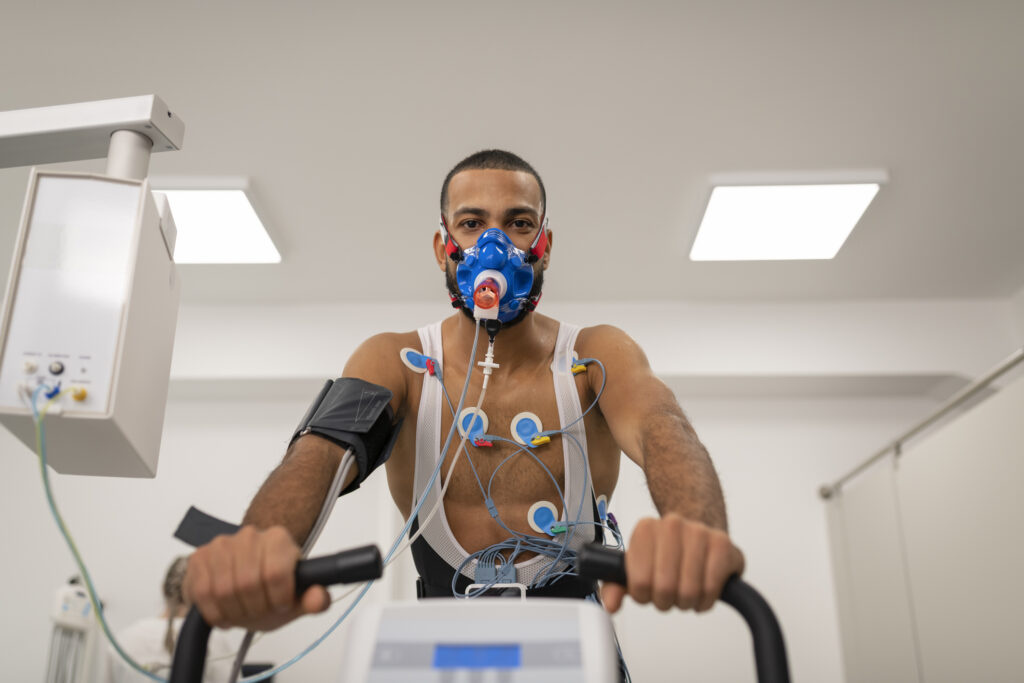
There is an abundance of evidence demonstrating that high levels of cardiorespiratory fitness (CRF) are associated with decreased risk for early mortality, chronic disease and some infectious diseases, as well as lower health care costs. The evidence is so strong that the American Heart Association suggested CRF be considered a clinical vital sign that is regularly measured […]
New Insight into Vitamin D and Physical Performance

Vitamin D is widely known to play a role in musculoskeletal and immune health, and a deficiency is associated with a wide spectrum of disease states and impaired physical performance. Vitamin D is mainly synthesized by skin exposure to sunlight ultraviolet B radiation and only a small amount (~20%) of vitamin D is available from […]
Approaches to Promote Healthy Fat Mass Development May Differ for Boys and Girls During Adolescence
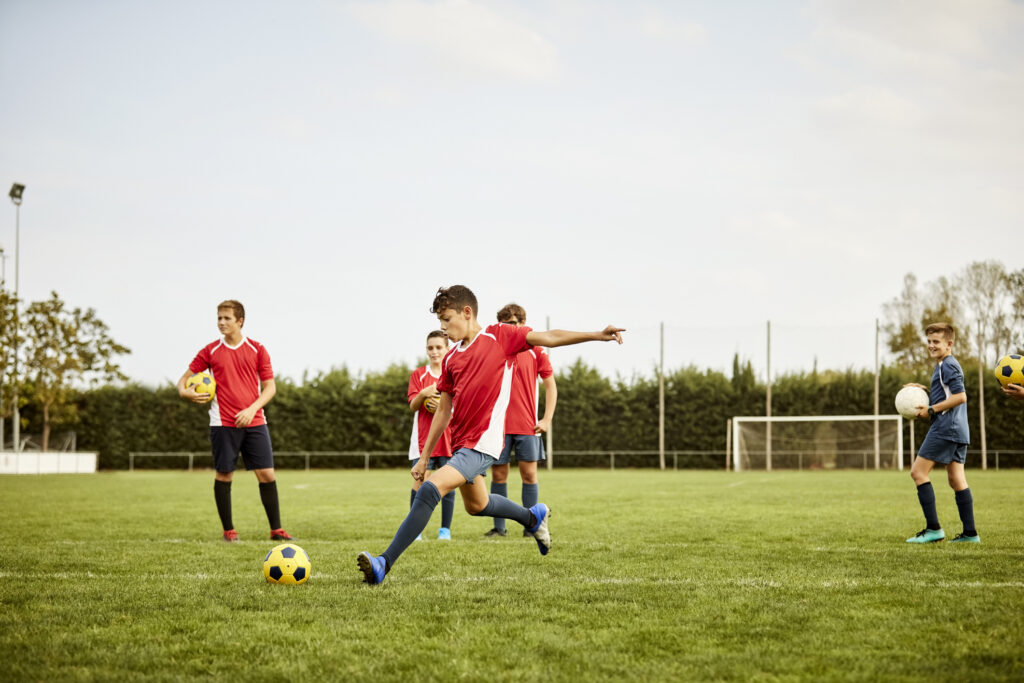
Body fat is essential for health; fat tissue not only stores energy but is an endocrine organ that synthesizes and secretes hormones (including estrogen and testosterone) important for healthy growth and maturation. Excess fat mass during childhood and adolescence tends to track into adulthood and is associated with adverse health outcomes. Obesity prevention has become […]
What Do We Know about Epilepsy and Physical Activity?

Since November is National Epilepsy Awareness Month, I thought it would be appropriate to discuss some of the more recent guidance that’s come across ACSM’s editorial desk regarding epilepsy and physical activity, namely the findings laid out in this 2021 publication in Current Sports Medicine Reports. The topic hits close to home, quite literally — in […]
Technogym HIIT Applications in Chronic Disease Q&A

If you’d like to view the full webinar with an opportunity to earn one CEC, click here Q: Do you have any thoughts on HIIT’s effect on cancer survivorship versus MICT, or can you reference any researchers working in this area? A: I believe there are large trials in prostate cancer and breast cancer ongoing with […]
Camínalo*: My LDTP Pathway

It was during the third year of my Ph.D. work at Boston University when I received a call from my undergraduate mentor at the University of Puerto Rico, and now colleague and friend, Julio Morales, Ph.D. Dr. Morales had a suggestion, he said “you should apply for the ACSM’s leadership program for minorities.” He explained […]
Young Runners Can Build a More Robust Skeleton with Multidirectional Sports
Distance running is popular due to its health benefits, low cost and accessibility. However, it is associated with high rates of overuse injuries. Particularly, female cross-country runners have some of the highest rates of bone-stress injuries, which include stress reactions and stress fractures. Poor bone health is a contributing factor in some athletes and can […]