
Can We Rewrite the Self-Care Script?

Frankly, the last thing I want to do today, personally and professionally, is to tell you to practice self-care. Given that I have been promoting self-care practice since 1992, it feels odd and uncomfortable to say this to you. It also feels a little scary, given we all know that self-care is a key to […]
Sprint Interval Training and Its Effects on Central Hemodynamical Factors
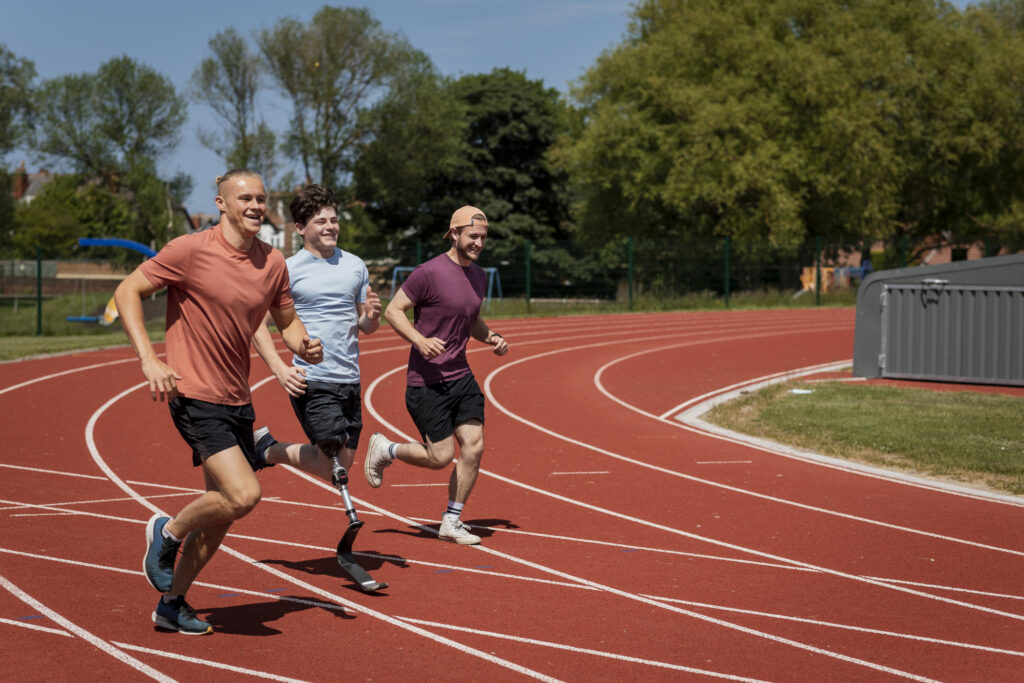
In the last decade, various forms of interval training have gained popularity. In fact, high-intensity interval training has been in the top five in ACSM’s Annual Worldwide Survey of Fitness Trends since 2014. Sprint interval training has also gained popularity in recent years. These two forms of interval training are used in many different populations, including patients […]
Integrating Eastern Mindfulness Movements into Exercise Routines in the Era of the Pandemic
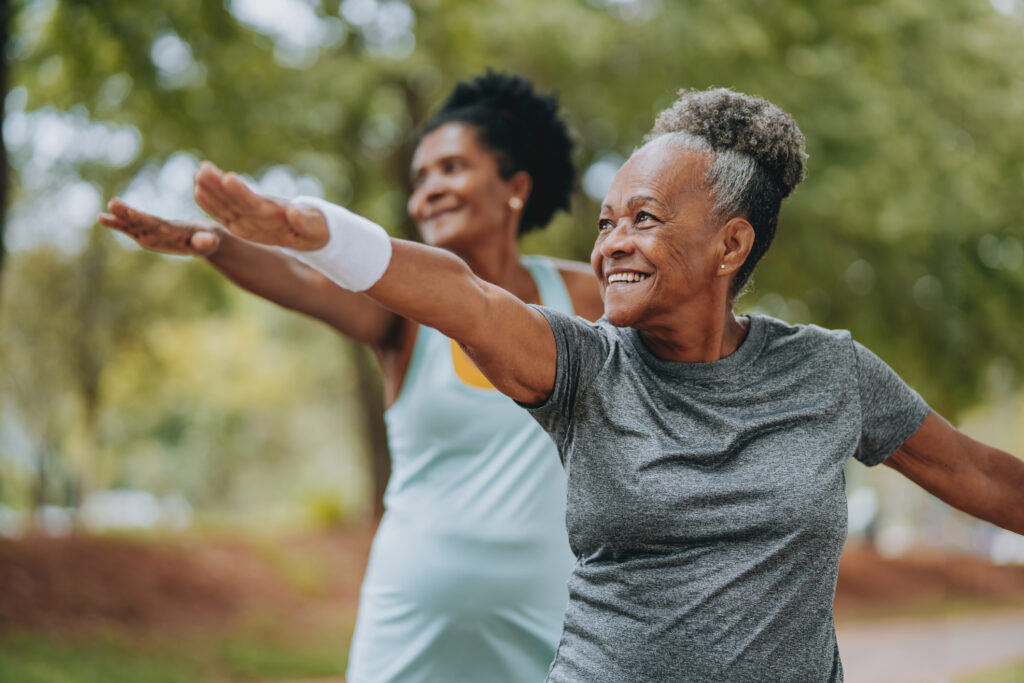
Take a look at the mass media and social media you are currently watching or reading in the month of May. What do you see? Most likely, you see articles mentioning Mental Health Awareness Month, Asian American and Pacific Islander Heritage Month, and exercise or physical activity recommendations in the era of the COVID-19 pandemic. […]
The Heritage Family Study: Honoring the Past and Looking Forward

In 2022 we celebrate the 25th anniversary of the HERITAGE (HEalth, RIsk factors, exercise Training And GEnetics) Family Study. The May issue of Medicine & Science in Sports & Exercise® (MSSE) highlights a multitude of the more than 200 publications and other dissemination products from data generated from this groundbreaking and important research program. The HERITAGE study described the role of […]
Cognitive Benefits of Physical Activity for Older Adults
Physical activity improves both physical and cognitive health, especially among older adults. Cognitive health encompasses many aspects of our daily functioning: memory, maintaining attention and concentration, dealing with distractions, solving problem and making decisions. Those cognitive functions tend to decline as we age, and physical activity can greatly prevent cognitive decline. For example, a meta-analysis has shown […]
Alcohol Consumption and Exercise Performance
Alcohol consumption is a topic that is not often discussed with respect to exercise performance. Typically, people joke about alcohol consumption, in general; and yet, alcohol abuse is a very serious subject. In addition, it has been well established that alcohol negatively affects health and exercise performance. Alcohol has been shown to result in damaging effects to […]
Mental Health Awareness and the Role of Exercise Professionals
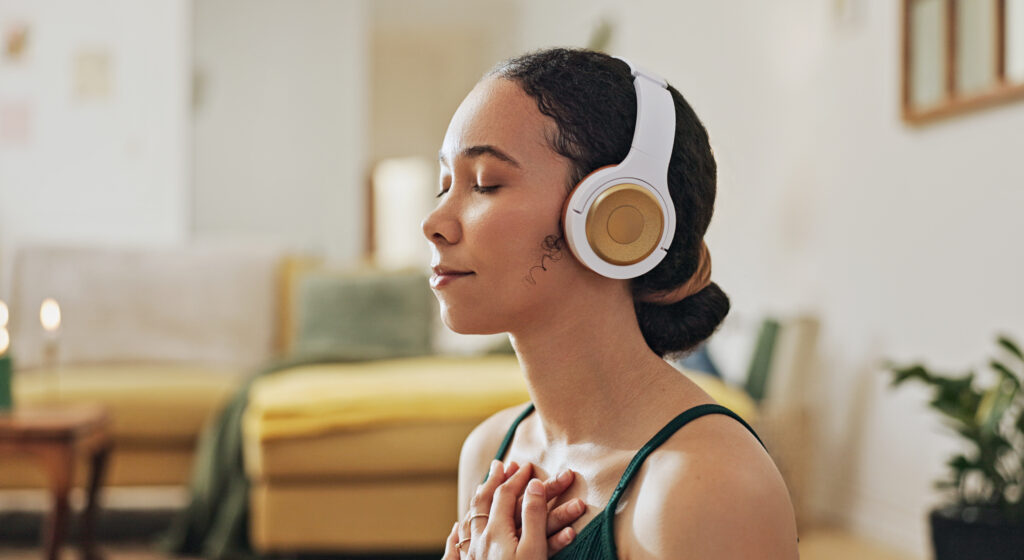
May is Mental Health Awareness month, which the American Heart Association calls “a time to raise awareness of those living with mental or behavioral health issues and to help reduce the stigma so many experience.” We might increase awareness by letting people know about the National Suicide Prevention Lifeline, which provides around-the-clock emotional support for people in crisis. […]
Effects of Physical Activity on Mental Health in Vulnerable Populations
If you or someone you know is managing a mental illness, then you or they are not alone. Many Americans struggle with mental illnesses. Almost one in five adults live with a mental illness (52.9 million in 2020). Mental illness is defined by the National Institute of Mental Health as a mental, behavioral or emotional […]
National Mental Health Month: Promoted Resources
May is Mental Health Awareness Month. While we all know that physical health is obviously important to the wellbeing of a person, mental health is equally key. Mental health issues, such as depression and anxiety, are known to reduce the ability and desire to participate in health-promoting behaviors, making it an essential component in any […]
Mental Health and Heart Rate Variability
Two hot topics for athletes (and anyone interested in feeling/performing their best) right now are mental health and heart rate variability. For mental health awareness month, let’s talk about both! Mental performance and mental health exist on a continuum, and there’s frequent discussion in the world of sport psychology about distinctions, but one’s performance can impact […]