
Low Fit Patients with Breast Cancer May Not Complete Chemotherapy
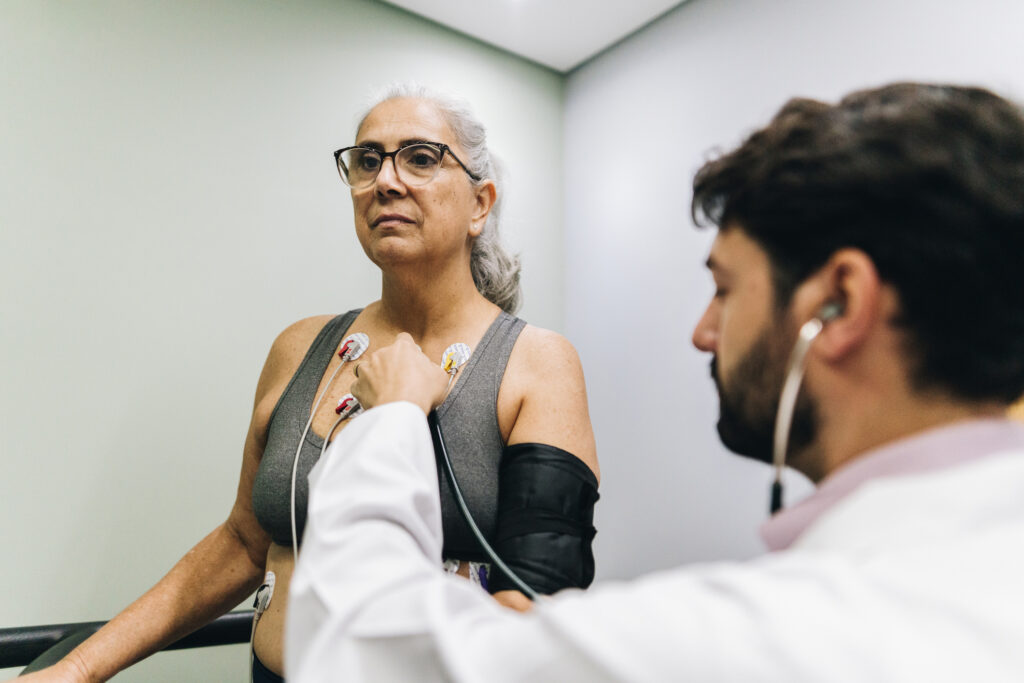
Several international guidelines and position statements have recommended that exercise should be embedded as standard practice in cancer care. The main argument for this has been symptom control, in particular for fatigue. Exercise during or after cancer treatment also improves quality of life, physical and role functioning, and reduces anxiety and depression. Following the 2018 […]
The Role of Acute Physical and Mental Activity in Concussion Recovery

The debate over the best methods for concussion recovery has been a key challenge to sports medicine providers over the last several decades. While rapid return to play, particularly when still symptomatic, is obviously inappropriate, the early recommendations suggested complete rest. This is sometimes referred to as “cocoon therapy,” where the patient is instructed to […]
The Importance of Sleep for Health

When we think about the most important actions that we can take to protect our health, we usually consider behaviors such as partaking in regular physical activity or eating a nutritious diet. Yet, an often-overlooked aspect of maintaining a healthy lifestyle is sleep. Sleep has serious implications for your physical and mental health. Adequate sleep […]
Physical Activity Guidelines for Cancer
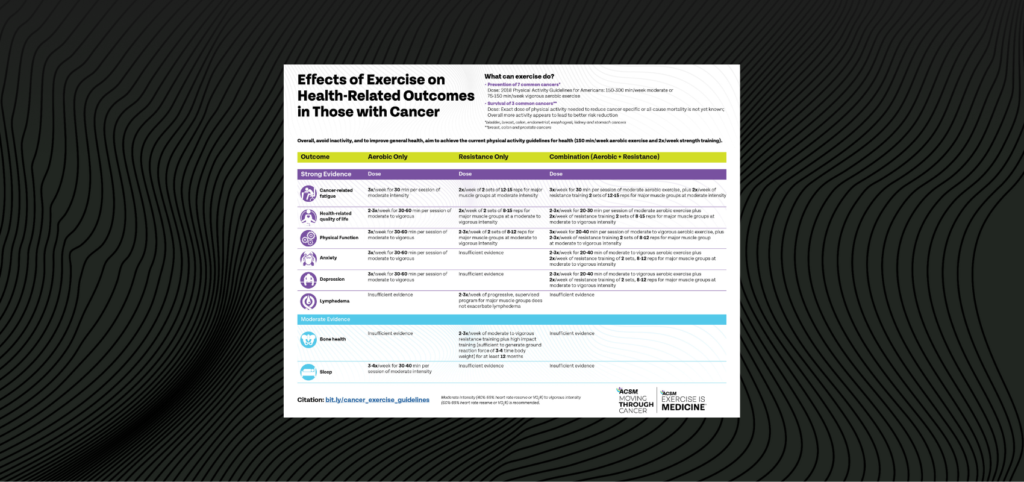
This chart outlines the effects of exercise on health-related outcomes in those with cancer. The guide features evidence-based physical activity recommendations and the associated benefits for specific symptoms and side effects of cancer and its treatments.
Training the Nervous System after Stroke
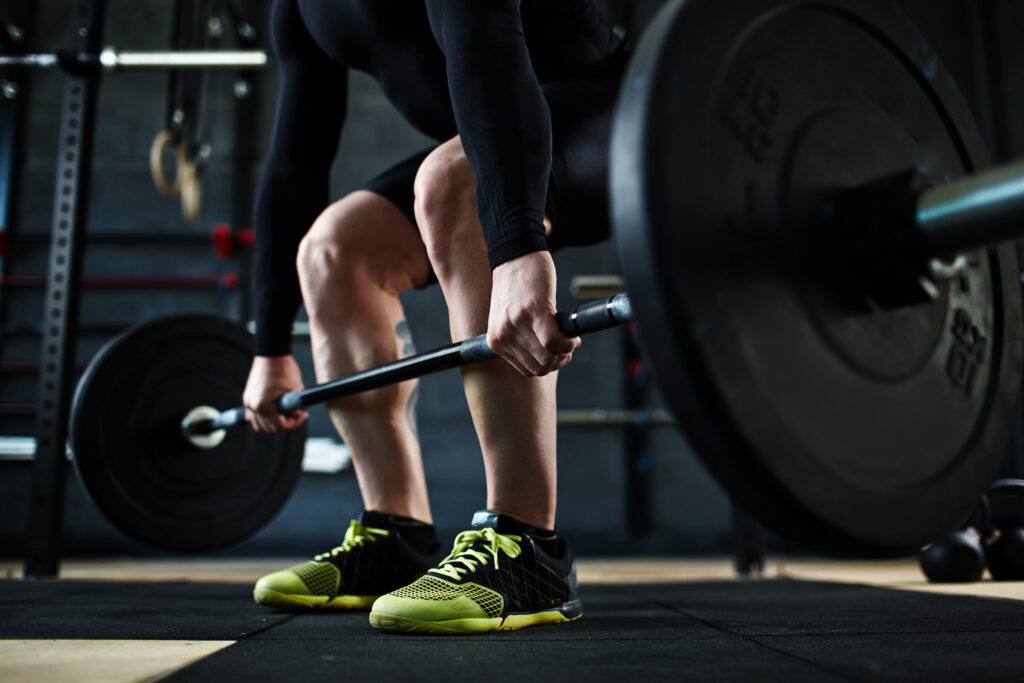
Neurotraumatic injury such as stroke is not typically symmetrical. So, it is no surprise that such damage results in a more affected side, which results in more dramatic muscle weakness and spasticity. However, evidence suggests that some human movements have conserved neural linkages even post-stroke. Thus, training the more affected side made indeed enable the […]