Special Interest Group

Mission: To promote the study of physical activity/exercise and cancer among ACSM members and to provide a forum for interaction among members with this interest.

Leadership
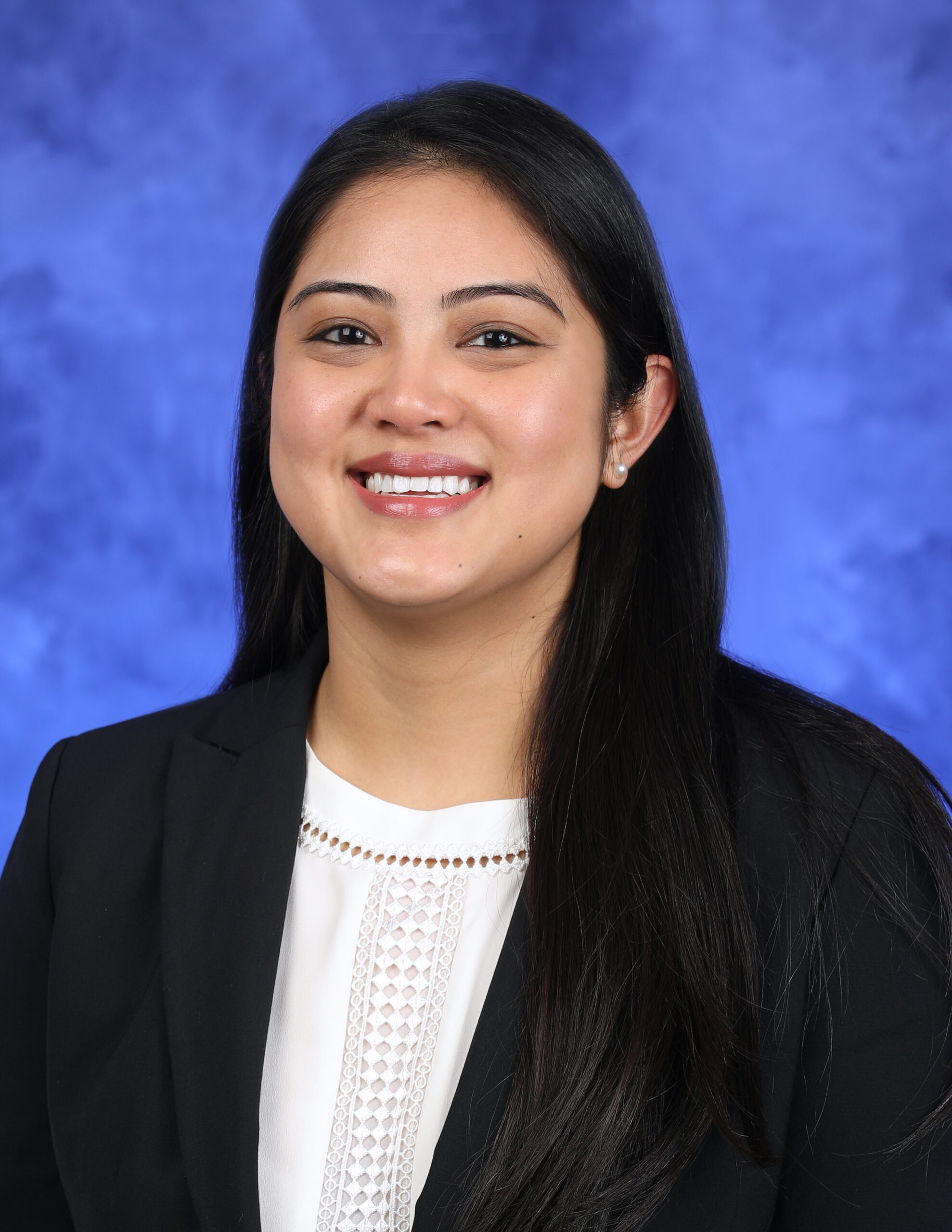
Melanie Potiaumpai, PhD, MPH, ACSM-EP
Dr Melanie Potiaumpai is an Assistant Professor in the Department of Medicine at the University of Pittsburgh and the Director of the ‘Momentum in Oncology Via Exercise (MOVE)’ lab and the Co-Director of the UPMC Moving Through Cancer Program at UPMC Hillman Cancer Center. Dr. Potiaumpai’s research aims to understand how targeted exercise impacts important clinical, functional, and patient-centered outcomes in people living with and beyond cancer.
Additionally, she is interested in the expansion of exercise services into oncology clinical care across the cancer care continuum. To date, Dr. Potiaumpai’s clinical trials have investigated the effect of pre-treatment exercise interventions, or “prehabilitation” in high-risk populations, including hematologic malignancies and esophageal cancer, that integrate into the oncology clinical workflow to help ensure patient adherence and healthcare provider support. Dr. Potiaumpai and the MOVE lab also work closely with community organizations to provide free exercise lectures and exercise classes to people living with and beyond cancer in western Pennsylvania and surrounding areas.
Chair
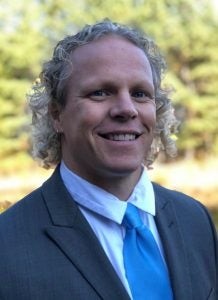
Dr Erik Hanson is a Kulynych/Story Fellow and Associate Professor in the Exercise Physiology specialization. He completed his undergraduate degree in Chemistry at Saint John’s University (MN), his Master’s Degree at UNC-Chapel Hill in Exercise and Sport Science, his PhD at the University of Maryland in Kinesiology, and his postdoctoral fellowship in muscle physiology at Victoria University in Melbourne, Australia.
Erik’s primary research focus includes exercise testing and training in clinical populations, with an emphasis in prostate cancer. He is interested in the role of exercise to improve skeletal muscle function during anti-cancer therapies. He also examines how the immune system responds to acute and chronic exercise during cancer treatment, both as a potential therapy and means of reducing disease recurrence. He is currently a member of the Cancer Prevention and Control group within the Lineberger Comprehensive Cancer Center, as well as the American College of Sports Medicine and the International Society of Exercise Immunology.
1st Co-Chair
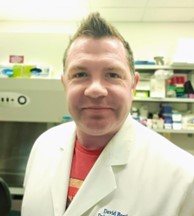
Dr David Bartlett is a Senior Lecturer of Exercise Immunology and the Research Lead for Exercise Science Research at the University of Surrey in England. He also holds an appointment as an Adjunct Assistant Professor of Medicine at Duke University in North Carolina. His research focuses on understanding the effects of exercise and the mechanisms by which physical activity alters the immune system to enhance immunological function in patients with cancer.
Currently, his team is working to optimize exercise intensities that promote the influx of cytotoxic lymphocytes into the tumors of patients with esophageal or pancreatic cancer and to determine their prognostic significance and potential for improving responses to immunotherapy. In addition, his research explores how certain blood cancers may drive premature aging of the heart, muscle, and immune system, independent of treatment. Through this work, Dr. Bartlett and his collaborators aim to advance understanding of how exercise can strengthen immune function and reduce cancer burden in patients.
2nd Co-Chair
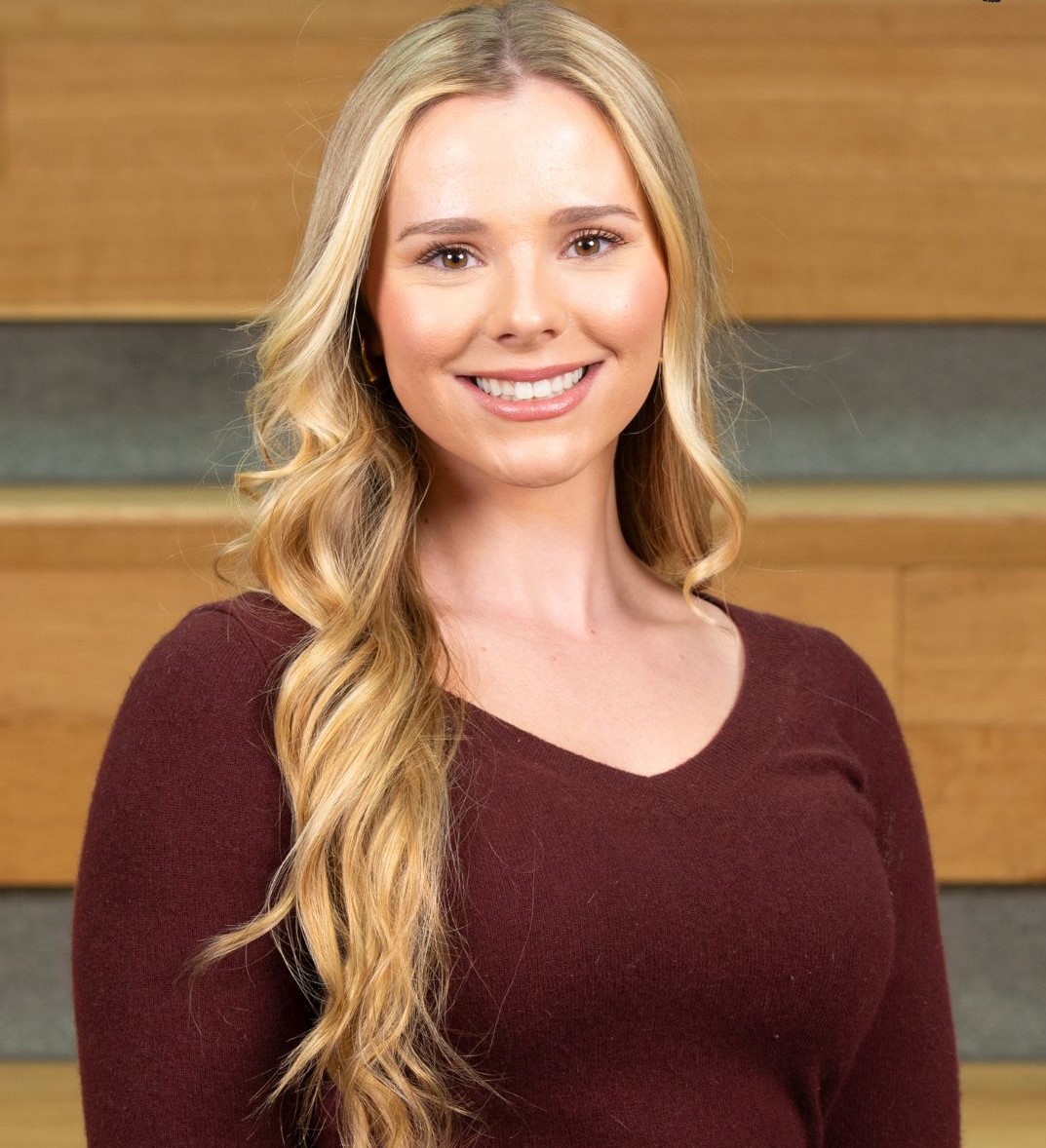
Lia J. O’Connor is the Senior Program Coordinator for the BfitBwell Exercise Oncology Program at the University of Colorado Anschutz Medical Campus. She holds a BS in Health and Exercise Science from Colorado State University and is a Certified Exercise Physiologist (ACSM EP-C) and Cancer Exercise Specialist. While working as a research professional with BfitBwell, she led the development of the first ever Program Coordinator position.
In this role, she oversees daily clinical operations, coordinating communication and scheduling, as well as being involved in intern onboarding. She acts in an integral leadership role within the program, supporting program growth and improvement. She also assists with research operations, including recruitment, scheduling, and budget management, across multiple program-associated exercise oncology studies. She has presented research findings at the American College of Sports Medicine Annual Meeting and is passionate about supporting the integration of evidence-based exercise into cancer care. In addition to her work with the BfitBwell Program, Lia chairs the Wellness Committee at the Anschutz Health and Wellness Center, leading initiatives to foster staff engagement and well-being.
Operational Co-Chair
Awards
Brian C. Focht Student Travel Award
Eligibility Requirements:
- Applicants must be an ACSM national member in good standing before applying. ACSM chapter membership alone does not fulfill this requirement.
- Open to graduate and medical students enrolled full-time and conducting cancer focused research. Focus areas may include, but are not limited to: exercise, nutrition, implementation science, behavioral intervention, sleep and/or technology.
- Applicants must be the presenter of an abstract accepted at the ACSM Annual Meeting.
SIG of the Month