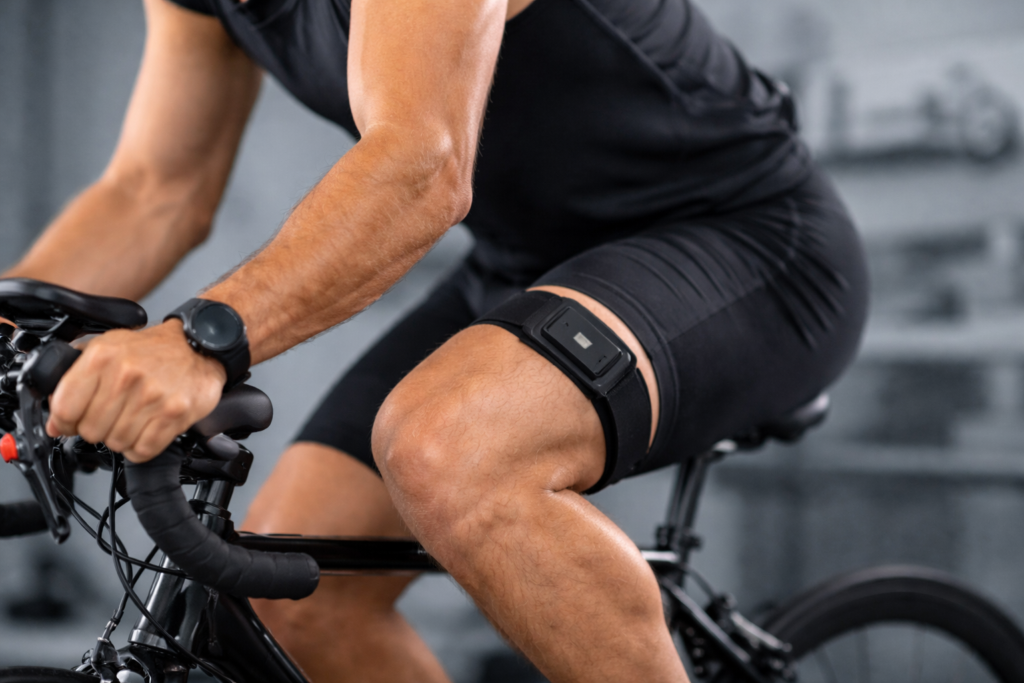
Roughly 645 million people suffer globally from knee osteoarthritis (KOA), ranking it among the most prominent disability causes. KOA prevalence increases with age, affecting approximately 10% of men and 13% of women over the age of 60. Pain is the primary symptom and prompts medical care, likely impairing functional mobility. First-line pain meds like nonsteroidal anti-inflammatory drugs and glucocorticoid injections carry risks, including stomach issues and joint calcification/cartilage damage.
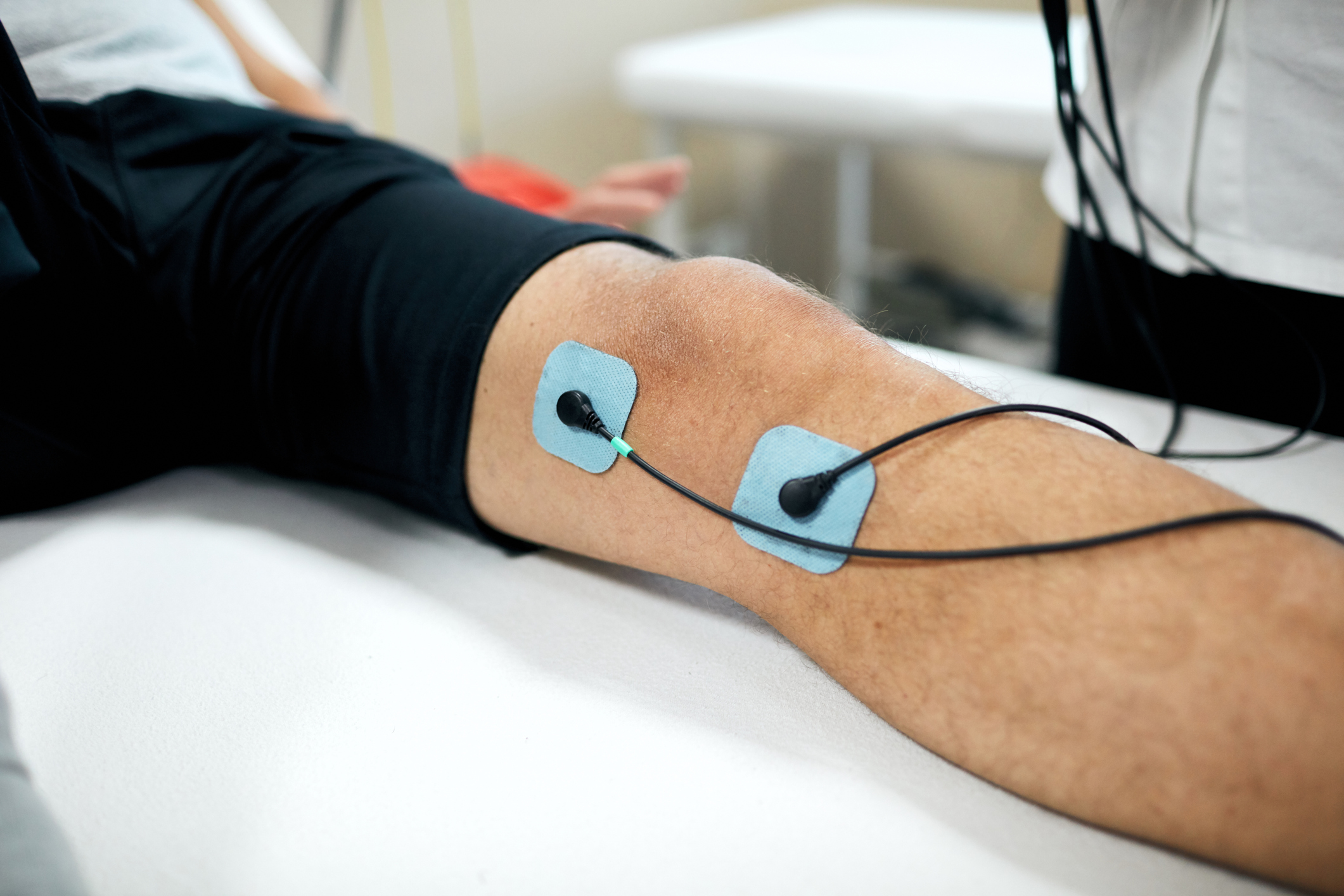
Transcutaneous electrical nerve stimulation (TENS), a peripheral neuromodulation method, is increasingly used for KOA pain due to its relatively few side effects. However, research indicates limited pain relief from TENS, possibly because it only targets peripheral pathways. According to established theories such as the pain gate theory, pain inhibition can occur via two routes: the peripheral pathway, by enhancing large-diameter sensory fiber activity, and the often-overlooked central pathway. Combining central and peripheral interventions might enhance analgesic efficacy.
Our study, published in the March 2026 issue of Medicine & Science in Sports & Exercise®, aimed to address this issue. We employed a Central + Peripheral stimulation approach for KOA pain relief, using TENS for peripheral stimulation and transcranial direct current stimulation (tDCS) for central stimulation. We recruited 30 older adults with KOA, with half receiving TENS alone and the other half receiving tDCS + TENS for 6 weeks of training and 12 weeks of detraining.
The key takeaway from our study was that compared to peripheral stimulation alone, central + peripheral stimulation showed superior and longer-lasting efficacy in reducing pain and enhancing functional mobility (as evidenced by the timed up and go test) in older adults with KOA, suggesting its potential as a superior rehabilitation strategy. Additionally, we explored pain’s mediation effect on functional mobility. Our results showed that peripheral stimulation improves functional mobility mainly through pain reduction, while the central + peripheral stimulation likely works through additional mechanisms that we do not yet understand.
The last interesting finding is that many KOA patients who received central + peripheral stimulation reported notable improvements in sleep quality, though we did not measure baseline sleep quality before the intervention. Researchers interested in this topic may wish to further investigate the effects of central stimulation on sleep quality in older adults with chronic pain.
With tDCS becoming more accessible and affordable, combining central and peripheral stimulation is increasingly feasible. Integrating TENS, a well-established neuromodulation method, with rapidly advancing tDCS offers clinically meaningful benefits for chronic pain management due to their practicality, safety, and suitability for long-term clinical use.

Qipeng Song, PhD, earned his Ph.D. from Shanghai University of Sport and is now a professor and vice dean of the faculty of Sports and Health at Shandong Sport University, China. Specializing in biomechanics, his research addresses ankle sprain prevention/intervention in youth and exercise rehabilitation for older adults with chronic diseases. An active ACSM member since 2019, he has presented over 50 abstracts across multiple ACSM annual meetings.