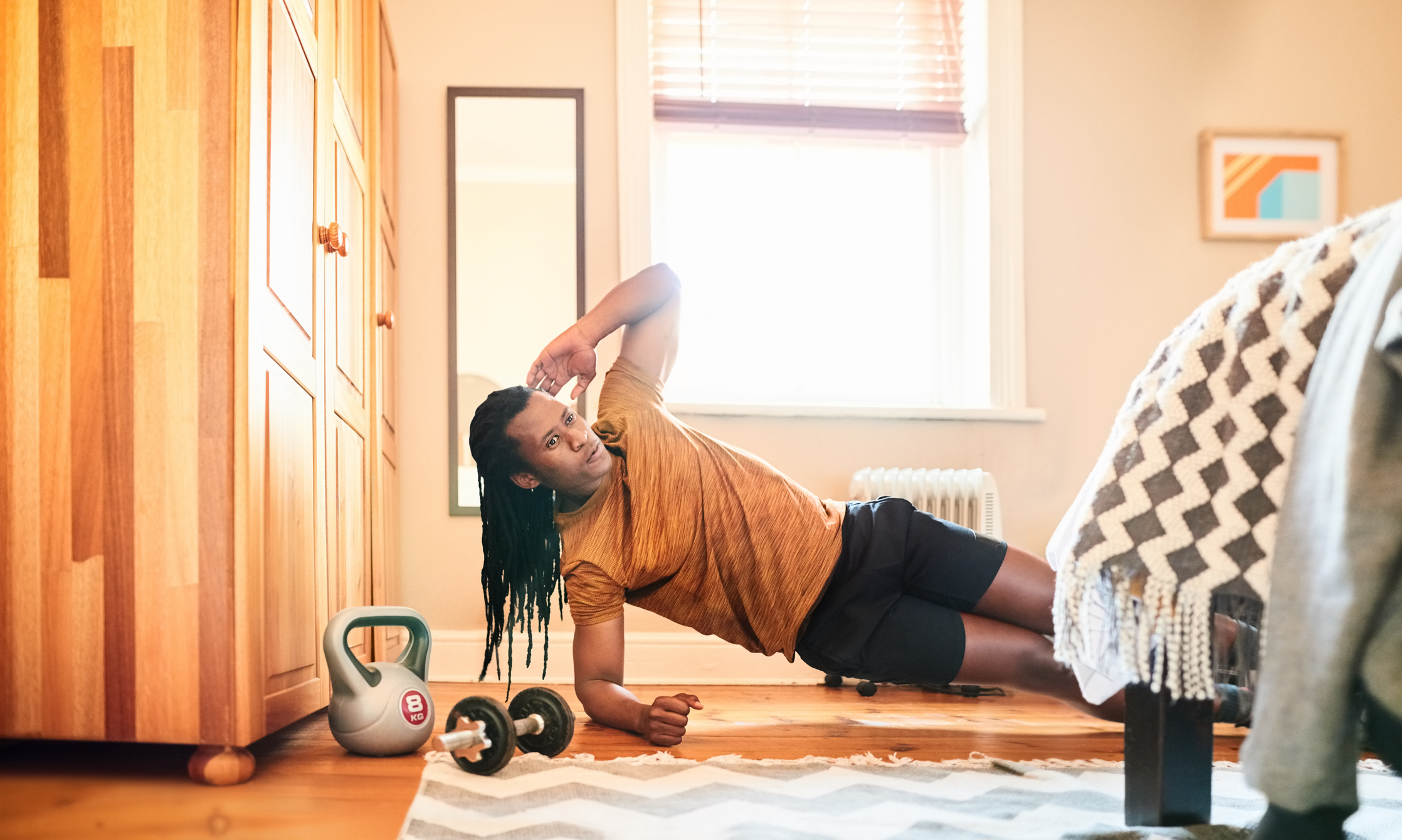
The debate over the best methods for concussion recovery has been a key challenge to sports medicine providers over the last several decades. While rapid return to play, particularly when still symptomatic, is obviously inappropriate, the early recommendations suggested complete rest. This is sometimes referred to as “cocoon therapy,” where the patient is instructed to stay in a dark room and avoid electronics, reading and other stimuli that would produce increased mental or physical activity. Not surprisingly, this approach, while well intentioned, was not effective. Currently, the importance of exercise and physical activity in concussion recovery has been recognized to be beneficial, with patients experiencing reduced symptoms and quicker recoveries. However, these exercise programs typically start after several days of rest, and the effects of acute activity are unknown.
In our study published in the February 2022 issue of Medicine & Science in Sports & Exercise®, we assessed patients’ self-reported physical and mental activity levels over the first two days post-concussion. Our aim was to determine if the activity levels were associated with changes in recovery time while controlling for known recovery factors. We tested 78 NCAA Division I student-athletes (Male: 40) from a variety of sports with physician-diagnosed sport-related concussions. The patients all underwent similar management and graduated return to sport protocols, which was consistent with the “Consensus Statement on Concussion in Sport.” The student-athletes were then tracked to determine if, when they self-reported, they were symptom free (about seven days) and cleared for full, unrestricted return to sports participation. This occurred, on average, after about 15 days. The participants’ self-reported physical, but not mental, activity was significantly associated with time to both recovery time points (symptom free and cleared for participation). Interestingly, the relationship was quadratic, whereby very low and very high levels of physical activity were associated with slower recovery. However, mild to moderate activity was associated with quicker recovery.
The key takeaway from this study was an identified “U” curve, or “Goldilocks” findings, whereby mild to moderate exercise facilitated recovery as compared to too much or too little activity. Another key takeaway was that mental activity was not associated with recovery. Taken together, these findings can help sports medicine clinicians make recommendations during the acute phase post-concussion and allow symptom-tolerated activity.
Because this study was done with Division I collegiate student-athletes, we don’t know if these results would extrapolate to high school-aged or other populations, and future studies need to closely investigate sex differences and activity during recovery. Also, the activity levels in this study were self-reported. Additional research is needed to evaluate if more objective measures of activity could further guide concussion rehabilitation to improve recovery. Our research group and others continue to advance the study of post-concussion activity with the ultimate goal of providing tailored and individualized concussion-recovery programs to improve the health of student-athletes.
About the Authors:
Thomas Buckley, Ed.D., ATC, is an associate professor in the Department of Kinesiology and Applied Physiology at the University of Delaware, where he conducts concussion-related research. Dr. Buckley has been a member of ACSM for 14 years.
Barry Munkasy, Ph.D., is an associate professor in the School of Health and Kinesiology at Georgia Southern University, where he conducts biomechanics research with a primary focus on postural control during jumping and landing tasks.
Viewpoints presented in SMB commentaries reflect opinions of the authors and do not necessarily represent positions or policies of ACSM. Active Voice authors who have received financial or other considerations from a commercial entity associated with their topic must disclose such relationships at the time they accept an invitation to write for SMB.