
Special Interest Group

Mission: To improve the quantity and quality of epidemiologic research led by the membership of the college by providing opportunities for discussion and collaboration, mentoring early career investigators, and promoting novel epidemiologic and biostatistical methods.


Erika Rees-Punia, PhD, MPH, FACSM
Erika Rees-Punia, PhD, MPH, FACSM, is the Chair of the ACSM Epi/Biostat/PH SIG and a Senior Principal Scientist in the Population Science department at the American Cancer Society (ACS). An exercise physiologist by training, her research focuses on how physical activity, sedentary time, and 24-hour behaviors affect cancer incidence, survival, and physical and mental health after a cancer diagnosis. Dr. Rees-Punia leads research projects on the promotion and benefits of physical activity.
Chair

Kathryn Chiang, PhD, MPH
Kathryn Chiang, PhD, MPH, is a post-doctoral fellow in the Population Science department at the American Cancer Society (ACS) through a joint appointment with the Winship Cancer Institute at Emory University. Her research focuses on behavioral epidemiology and health longevity, with emphasis on physical activity, mental and cognitive health, and cancer prevention and survivorship.
Co-Chair
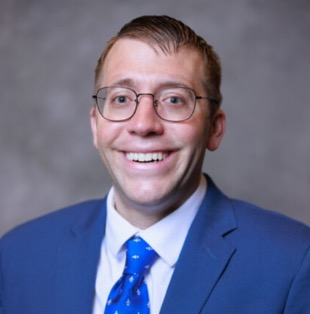
Benjamin D. Boudreaux, PhD, FACSM
Benjamin D. Boudreaux PhD, FACSM, is a Clinical Assistant Professor of Exercise Science in the Department of Kinesiology at The University of Alabama and American College of Sports Medicine Fellow. His research area of emphasis lies at the intersection of clinical exercise physiology and physical activity epidemiology with a specific focus examining the association between the 24-Hour Activity Cycle in the prevention and treatment of cardiovascular disease and other health outcomes. Additionally, he has expertise using different consumer wearable devices for validation purposes or as a tool to examine different health behaviors in various populations and settings.
Co-Chair
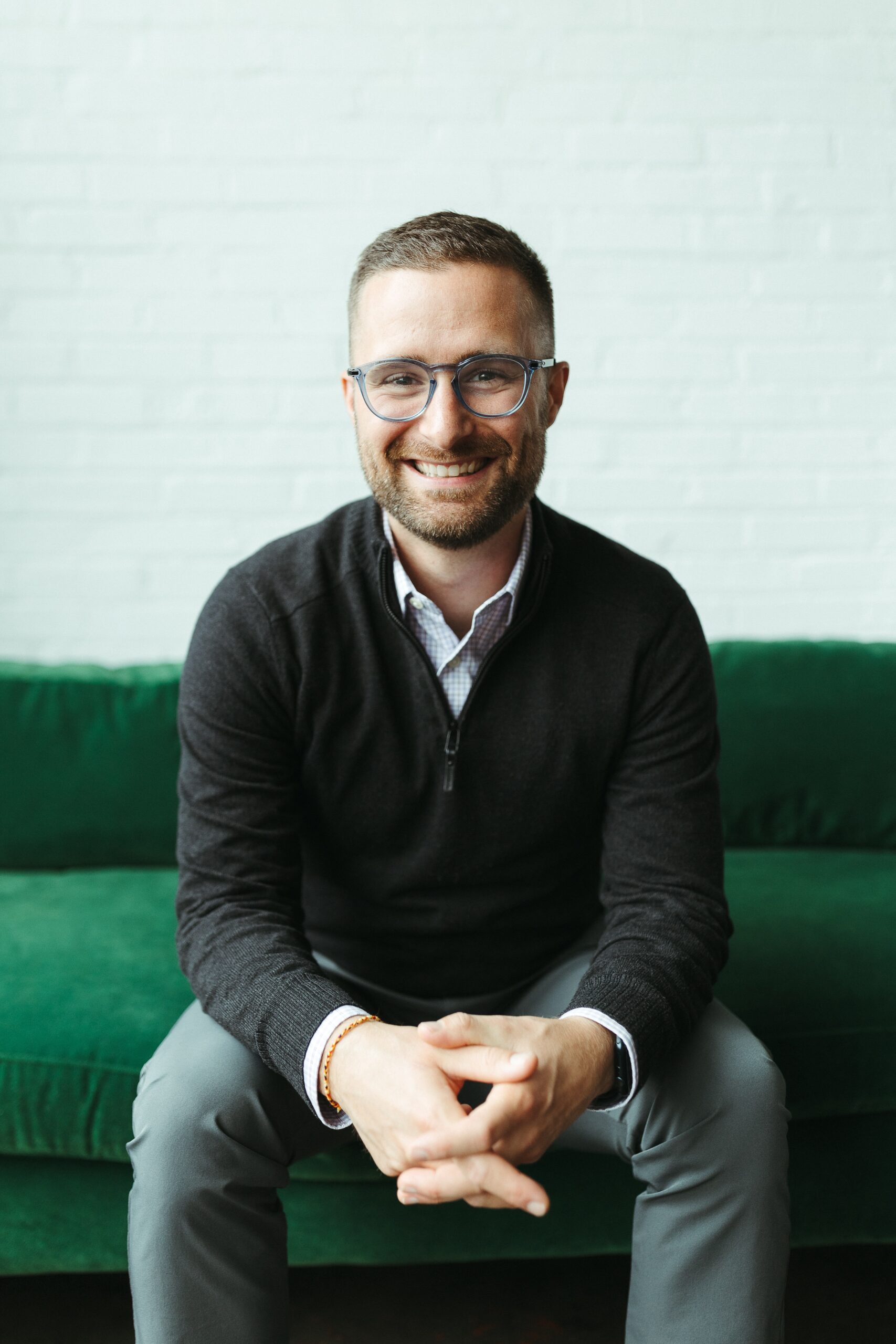
Tyler Quinn, PhD, FAHA
Tyler Quinn PhD FAHA, is an assistant professor at the West Virginia University School of Public Health. He received a PhD in exercise physiology from the University of Pittsburgh and completed his pre- and post-doctoral training at the Centers for Disease Control and Prevention’s National Institute for Occupational Safety and Health. His research portfolio focuses broadly on examining the impacts of occupational demands including physical activity, psychosocial stress, and environmental conditions on worker cardiometabolic health. His most recent research is examining the explanatory mechanisms to the paradoxical adverse associations between occupational physical activity and cardiovascular health.
Co-Chair
Non-Monetary Awards for Achievement
Epidemiology, Biostatistics and Public Health Best Abstract Award
This honorary award recognizes the work of an individual engaged in innovative epidemiologic research to advance scientific knowledge in the field of physical activity and public health. This award is given to one abstract per year.