
Low Fit Patients with Breast Cancer May Not Complete Chemotherapy
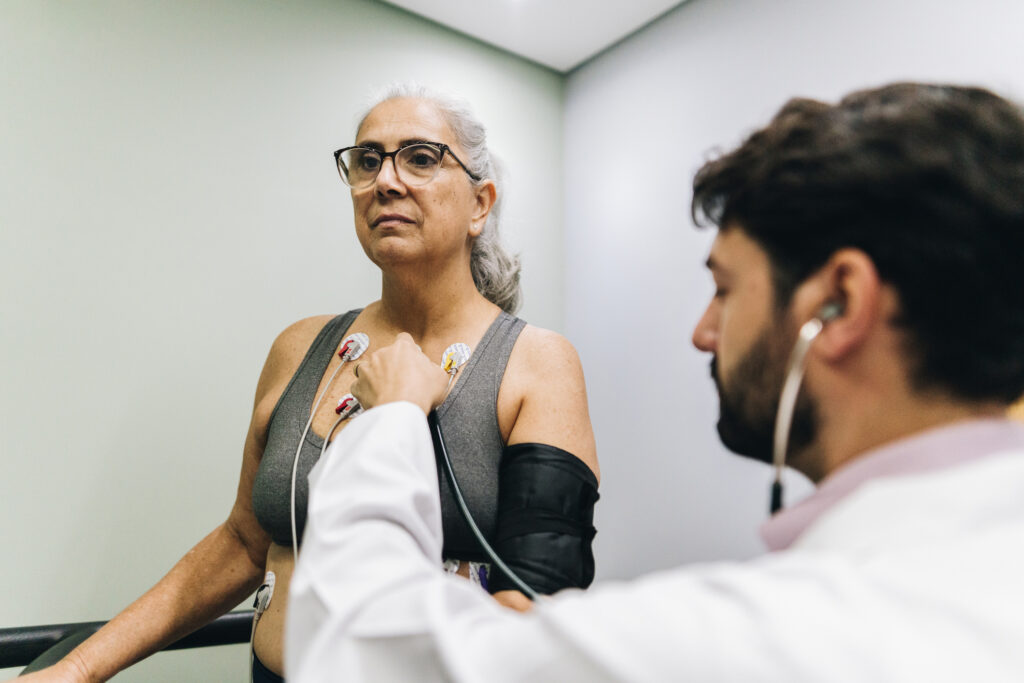
Several international guidelines and position statements have recommended that exercise should be embedded as standard practice in cancer care. The main argument for this has been symptom control, in particular for fatigue. Exercise during or after cancer treatment also improves quality of life, physical and role functioning, and reduces anxiety and depression. Following the 2018 […]
Does Menopause Make Women More Sympathetic to Exercise?
Cardiovascular disease remains the leading cause of death in women, and hypertension is a major contributing factor, particularly after menopause. The sympathetic nervous system — historically viewed as the “fight or flight” part of our autonomic nervous system — is involved in regulating blood pressure (BP) and can contribute to the development of hypertension. Previous […]
Glucosamine Beyond Joint Health: Effects on Physical Performance
D-Glucosamine is an amino sugar synthesized from glucose and glutamine. It is found in cartilage, tendons and ligaments in our body. It is a component of glycoproteins, proteoglycans and glycosaminoglycans, which are the building blocks of cartilage. In human beings, glucosamine is synthesized endogenously from glucose but also may be obtained from exogenous dietary supplements. […]
Is Serum 25(OH)D the Best Indicator of Vitamin D Status for Athletes?
Vitamin D plays an integral role in bone health through multiple direct and indirect mechanisms, including the regulation of calcium and phosphate metabolism. It is also well understood that severe vitamin D deficiency is associated with rickets in children and osteomalacia in adults. However, the relationship between vitamin D and bone is not straightforward. For […]
Focus on Eccentric Loading for Enhancing Muscular Adaptation to Training
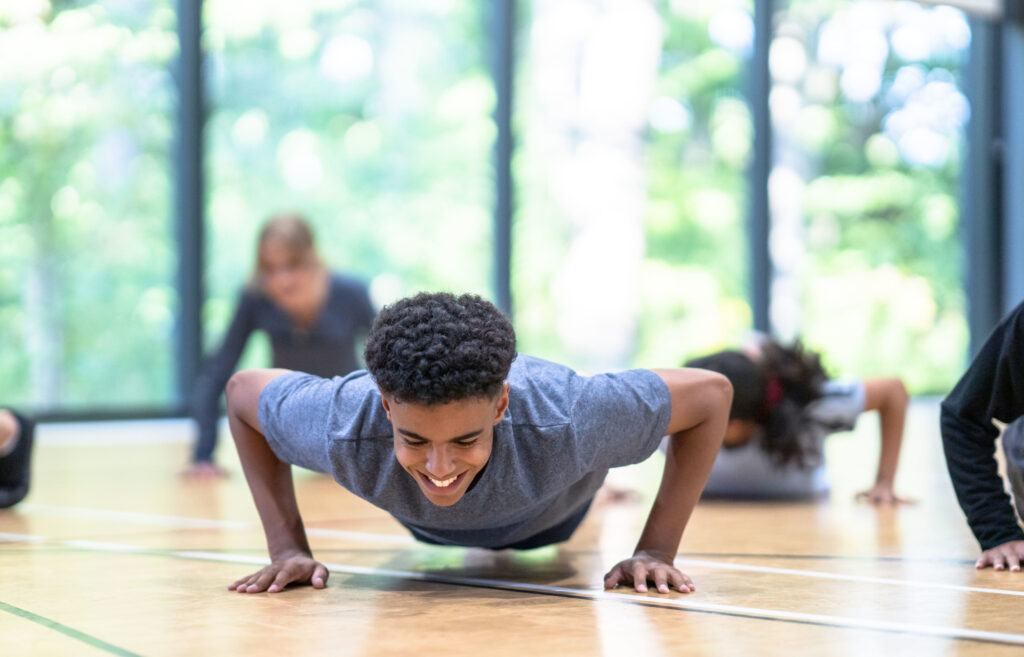
Resistance exercise is a fundamental aspect of athletes’ training programs, especially in sports where force- and power-production capabilities are keys for elite performance. In traditional strength-training programs, equal absolute load is applied during both the concentric and eccentric phases of muscle contraction. Skeletal muscle is capable of 30%, or more, force production during maximum eccentric […]
More Than Head Trauma: Understanding Factors Related to Negative Health Outcomes in Former Football Players
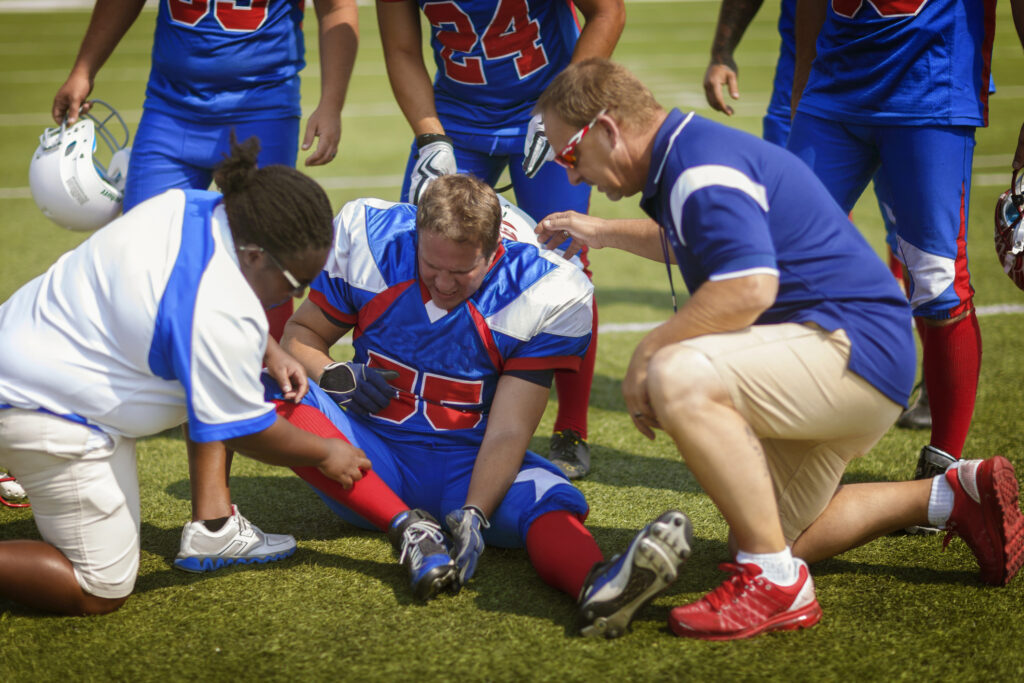
The long-term effects of sport-related head trauma have gained notable attention from the scientific community, sport governing bodies, and the mainstream media in the past two decades. Concussions and repetitive head impacts that do not result in clear clinical signs and symptoms have been investigated as risk factors for worse health-related outcomes in later life. […]
Biobanks and Advanced Genetics Bring New Tools to Exercise Sciences
To a varying extent, most human characteristics are heritable. The genetic component of physical activity behavior and many related physiological phenotypes has been established as polygenic. This means that variation in these phenotypes is explained by the contributions of hundreds or thousands of genetic variants, each of which has a small effect size. Advances in […]
25 Years of Physical Activity Time Trends Research

In developed countries, the life expectancy of adults has increased dramatically over the past century. This is largely due to decreases in smoking and reductions in infectious disease and cardiovascular disease brought about by modern medicine. However, due to a rise in labor-saving devices and electronic entertainment, many have suggested that we have engineered much […]
The Role of Acute Physical and Mental Activity in Concussion Recovery
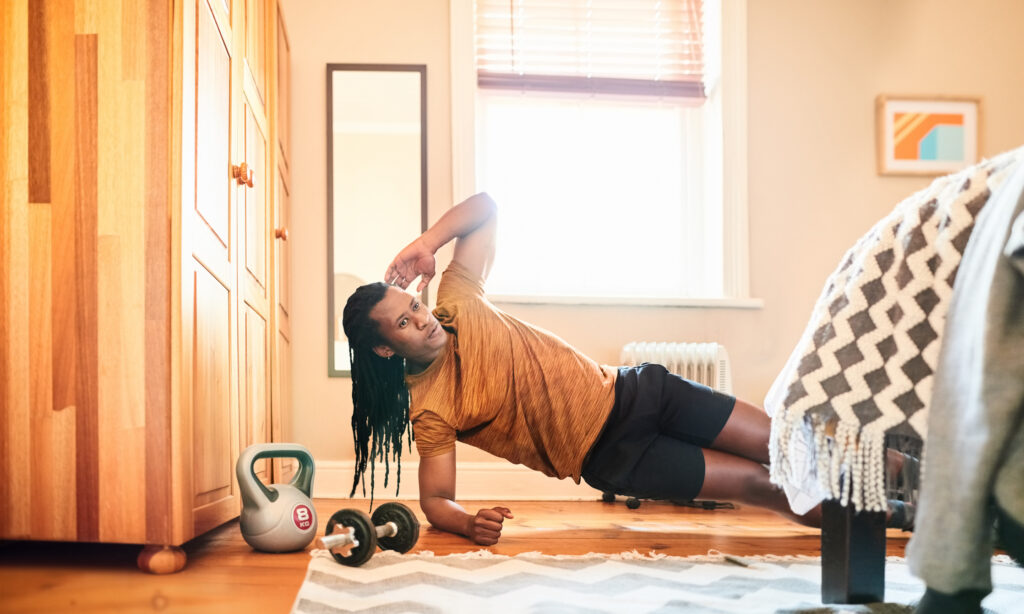
The debate over the best methods for concussion recovery has been a key challenge to sports medicine providers over the last several decades. While rapid return to play, particularly when still symptomatic, is obviously inappropriate, the early recommendations suggested complete rest. This is sometimes referred to as “cocoon therapy,” where the patient is instructed to […]
From Bench-top to Bedside: Is Exercise Truly a Cancer Medicine?
In 2009 our team published the Australian guidelines on exercise and physical activity for people with cancer emphasizing the imperative that clinicians should reject the rest strategy. Rather, patients should be physically active most days using a combination of aerobic and resistance training aiming to accumulate 75 to 150 minutes of moderate to vigorous exercise […]