
Running for Two: Pregnancy, Training and Return to Performance for Elite to World-Class Runners
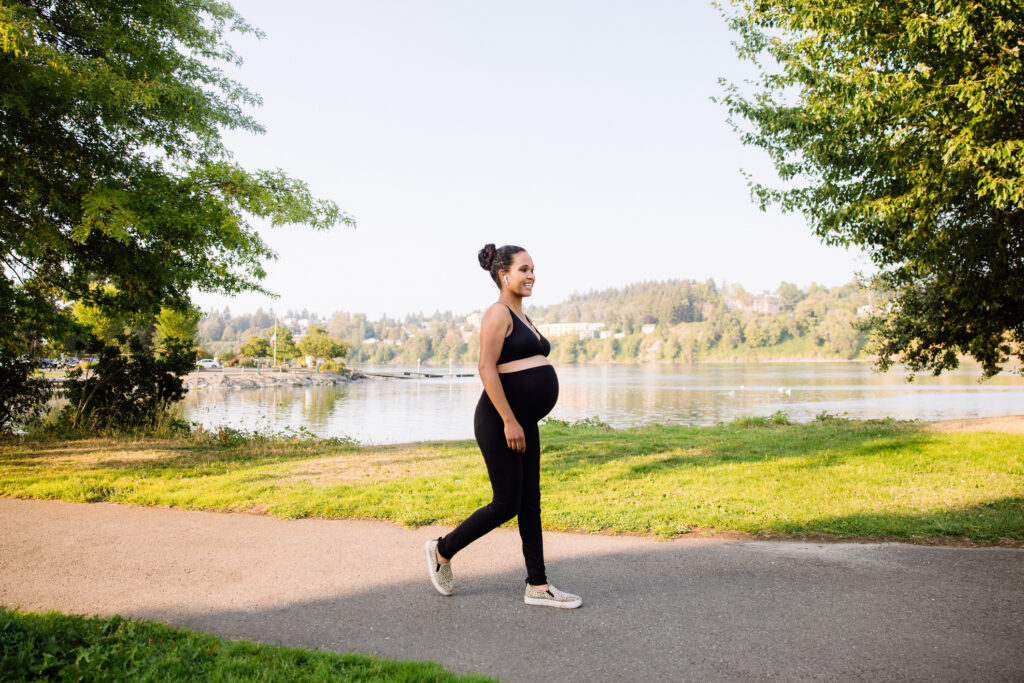
There are a variety of resources that exist to advise individuals on best practices for exercising throughout pregnancy. International evidence-based health guidelines typically recommend at least 150 minutes/week of moderate-intensity physical activity in those without contraindications during pregnancy. While these recommendations guide physical activity during pregnancy in the general population, they are not developed — […]
A New Way to Help Our Bones with Calcium?
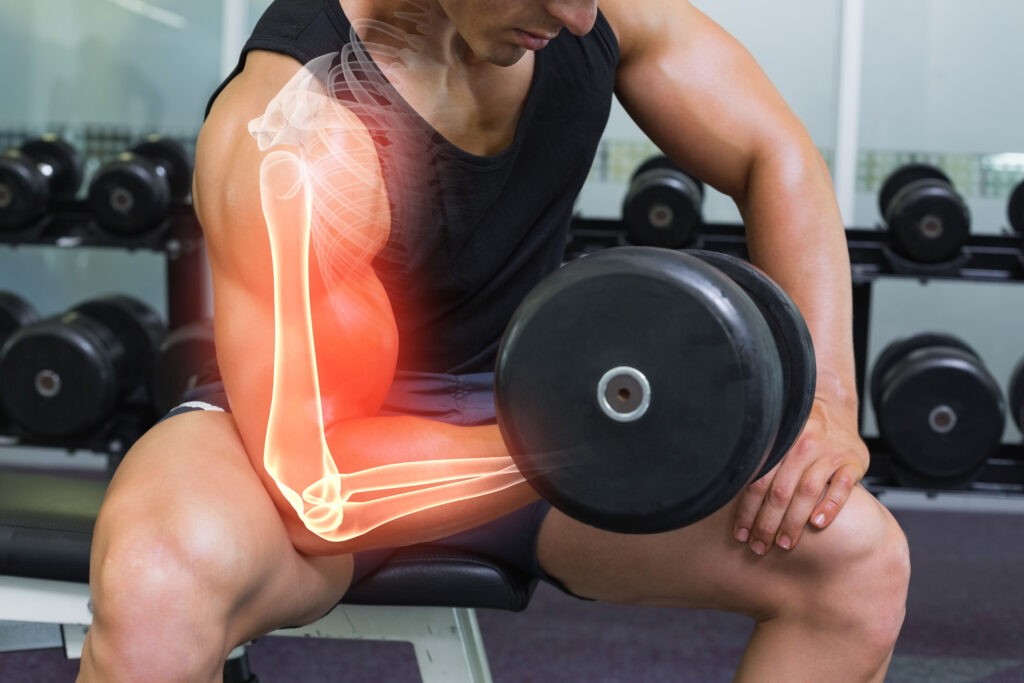
Despite the broad benefits of exercise to bone health, athletes from some sports fare better than others. Athletic training and performance can also be completely derailed by bone stress injuries, which have multifactorial contributors of which bone health is key. Energy availability, bone-loading exercise and vitamin D are known to influence bone health, but even […]
Pedaling toward Activity-Supportive Workplace Environments

Approximately 80% of jobs in the United States are predominantly sedentary. Sedentary work time is also increasing worldwide. National and global policy guidelines recommend breaking up sedentary work time to improve population health and reduce premature mortality. However, policies and job demands requiring workers to remain at their desks, along with limited funds and space for exercise equipment, can […]
What Is a Normal Rating of Perceived Exertion During Maximal Exercise Testing?
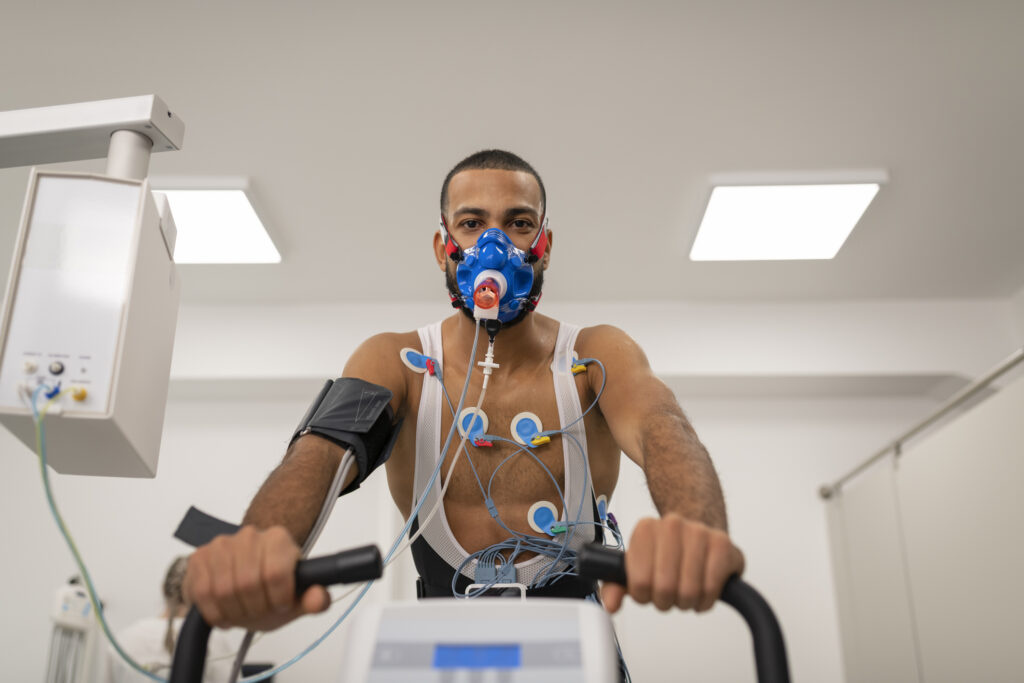
There is an abundance of evidence demonstrating that high levels of cardiorespiratory fitness (CRF) are associated with decreased risk for early mortality, chronic disease and some infectious diseases, as well as lower health care costs. The evidence is so strong that the American Heart Association suggested CRF be considered a clinical vital sign that is regularly measured […]
New Insight into Vitamin D and Physical Performance

Vitamin D is widely known to play a role in musculoskeletal and immune health, and a deficiency is associated with a wide spectrum of disease states and impaired physical performance. Vitamin D is mainly synthesized by skin exposure to sunlight ultraviolet B radiation and only a small amount (~20%) of vitamin D is available from […]
Approaches to Promote Healthy Fat Mass Development May Differ for Boys and Girls During Adolescence

Body fat is essential for health; fat tissue not only stores energy but is an endocrine organ that synthesizes and secretes hormones (including estrogen and testosterone) important for healthy growth and maturation. Excess fat mass during childhood and adolescence tends to track into adulthood and is associated with adverse health outcomes. Obesity prevention has become […]
Young Runners Can Build a More Robust Skeleton with Multidirectional Sports
Distance running is popular due to its health benefits, low cost and accessibility. However, it is associated with high rates of overuse injuries. Particularly, female cross-country runners have some of the highest rates of bone-stress injuries, which include stress reactions and stress fractures. Poor bone health is a contributing factor in some athletes and can […]
Exploring the Physical Activity Decline in Childhood

There is no doubt that childhood and adolescence are decisive periods to acquire healthy lifestyle behaviors, like being physically active and participating in a variety of sports. When youngsters acquire an active lifestyle, there is a greater probability they will maintain it throughout their lives. The Active Healthy Kids Global Alliance released the Global Matrix 4.0 on […]
Muscle Strength Genotype Predicts Functional Capacity at Older Age

Throughout the lifespan, maximum hand grip strength reflects general health and vigor and is therefore commonly suggested to be a biomarker of aging. Although aging results in declines in muscle strength, individual strength changes follow a predictable pattern, as shown by strong correlations between measurements carried out decades apart. Family and twin studies have also […]
Understanding Individual Variability in Exercise Response: Key Considerations for Research and Practice
The movement to recognize exercise as medicine has incited interest in personalized exercise prescription while simultaneously exposing weaknesses in the existing exercise science literature. As a field, it is acknowledged that differences in an individual’s phenotype (observed characteristics) and genetic makeup will contribute to a marked variability in response to standardized exercise. However, the assumption that this […]