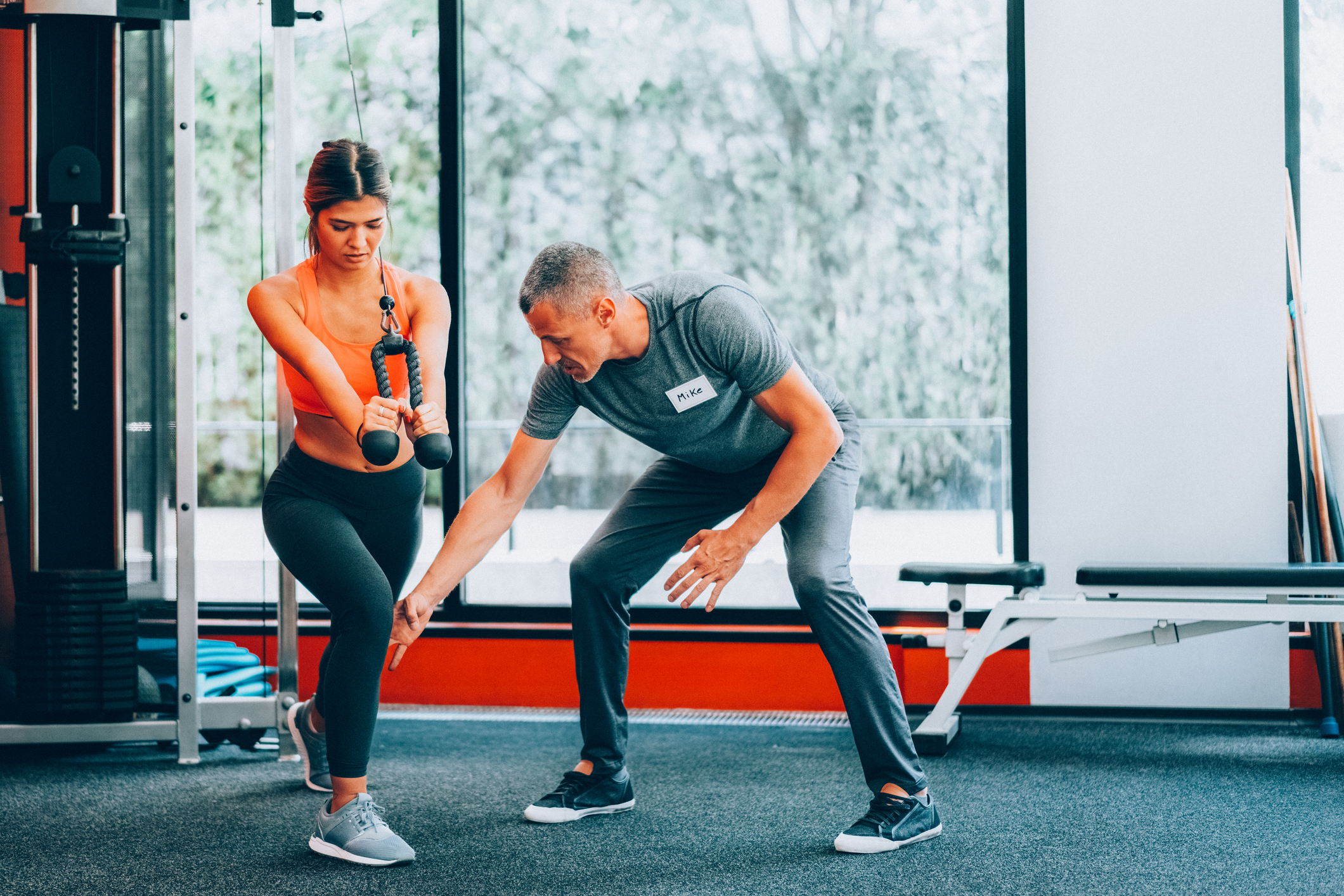
Seven years ago I got my first job out of college as an exercise therapist at a local hospital, where I worked in the rehab department. I taught aquatic exercise classes and land-based classes for different types of people — older people, people with heart problems, those who had neurological conditions and so forth.
It was at that point in time in my career I found out that there was so much more that I wanted to learn and there was also so much that I didn’t know. I was faced with a client who had so many comorbidities that I was unsure of how to go about treating them, what exercises worked best for them, and how those exercises would help or hinder their progress. This prompted me to want to know as much as possible how exercise affects chronic diseases and what the potential outcomes were. Fast forward to today: I have worked in three hospital systems and seen thousands of patients, and I still feel there’s more to do and learn. Through the years I learned from watching others and asking questions, and then I decided that it was time to challenge myself and test everything I have learned through practical experience.
The ACSM-CEP® certification represents a gold standard for exercise science and fitness professionals and allows us the opportunity to grow in our careers, with chances for advancement and to work in other areas of allied health like cardiac or pulmonary units, oncology and other chronic conditions. I find cardiology fascinating, and having worked with many patients with different cardiac issues, I find this certification can help educate me in all there is to know about specific conditions like cardiovascular disease, post-MI rehabilitation and congestive heart failure. This certification will give me a sense of accomplishment and the knowledge and practical understanding of how to best go about training these populations. This certification will also allow potential employers and colleagues in other disciplines to take me seriously as a clinician and give me the ability to choose the environment I would like to work in and the type of patient or client I would like to work with.
I have always been a person who loves to learn, and I feel sitting for this exam gives me the best opportunity to do that and test my knowledge of this field that I have been in for the past seven years.
If you are on the fence about whether you should go for this certification, I would say that so many doors will open after you obtain it — you will practically be able to work in any setting you want, from hospital-based outpatient rehab to cardiopulmonary rehab to cardiology. Not to mention fitness-related areas like a fitness director or health and wellness coach. The options you will have are endless, and the sky is the limit. This is going to be the standard in the future, and if you want to have a career that pays you fairly based on your education — and to do what you love and what always challenges you — then I would highly recommend you branch out and learn the things that you don’t know and continue to grow as both a professional and student of this profession.

Austin Cooper is an exercise physiologist and master’s student at American Public University (’23) studying sports and health sciences. He is a certified strength and conditioning specialist, nutritionist and wellness coach experienced in spinal cord rehabilitation, weight management and the prevention of cardiovascular disease through lifestyle interventions.