
Hot Topic | Osteoarthritis and Physical Therapy

Knee osteoarthritis (OA) is a leading cause of chronic pain and disability in the middle- an older-age population. There are over 600 million worldwide with OA, the knee being the most affected joint. In the absence of effective non-opioid pharmacologic therapies for knee pain, OA remains a key driver of the opioid epidemic and healthcare […]
Science Spotlight | New ACSM Team Physician Consensus Conference Statement Published
In January 2024, the American College of Sports Medicine Team Physician Consensus Conference (TPCC) produced a new statement, “The Team Physician Consensus Statement 2024 Update” in the Medicine & Science in Sports & Exercise (MSSE) and the Current Sports Medicine Reports (CSMR) journals. This latest TPCC consensus statement covers the qualifications, duties, and responsibilities of […]
Making InPACT in the Classroom

Learn how the InPACT (Interrupting Prolonged Sitting with Activity) program is transforming the school day—and student outcomes—through simple, effective movement breaks.
The Power of Policy: How effective policies can encourage physical activity and create healthier communities

Policy can encourage physical activity across all levels. Three keys areas for policy application are public spaces, transportation and school-based physical education.
FY26 Budget and the “One Big Beautiful Bill”
President’s FY 2026 Budget Released On May 30, 2025, the White House released the detailed Fiscal Year 2026 budget proposal, which outlines sweeping changes and deep funding cuts for both the National Institutes of Health (NIH) and the Centers for Disease Control and Prevention (CDC). The NIH would see its discretionary budget slashed by nearly […]
Launching ACSM’s EIM Active Aging Initiative for Older Adults
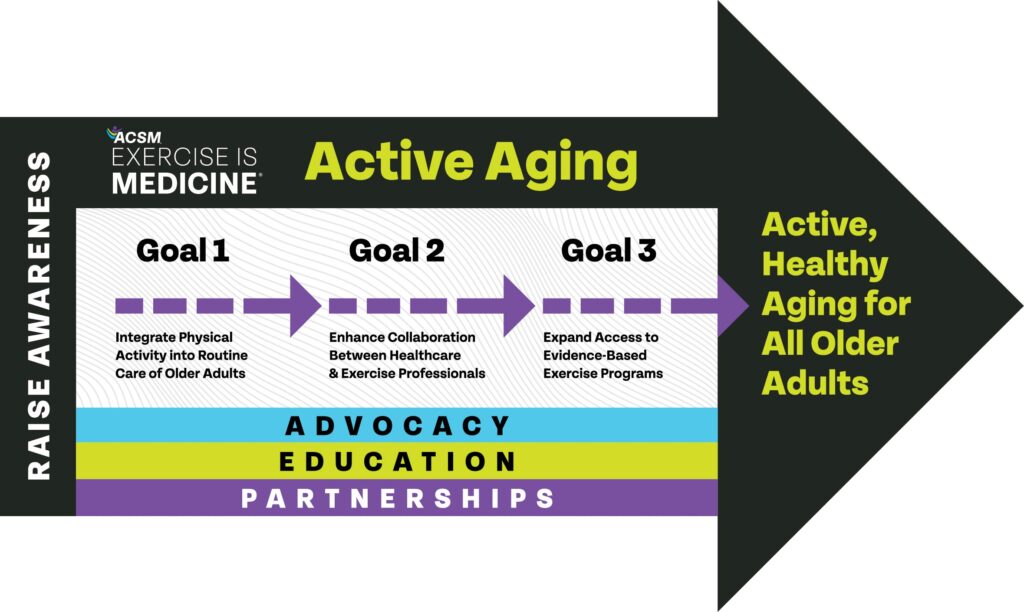
Discover how aging affects millions and the crucial role of physical activity in promoting wellness among seniors.
2025 EIM Global Leadership Awardees
Celebrate leadership in the realm of physical activity as we honor Dr. James Skinner and his contributions to ACSM.
Science Spotlight | June 2025

Check out the latest episode of ACSM’s Healthy Youth Sports Podcast series The newest installment of Healthy Youth Sports, features Kevin Martinez, ESPN’s Vice President of Corporate Citizenship, diving into the network’s groundbreaking Take Back Sports initiative. Kevin shares insights on the Take Back Sports program’s vision and why storytelling and culture change are at […]
Active Voice | Walking Pace, Genetic Predisposition, and Brain Health
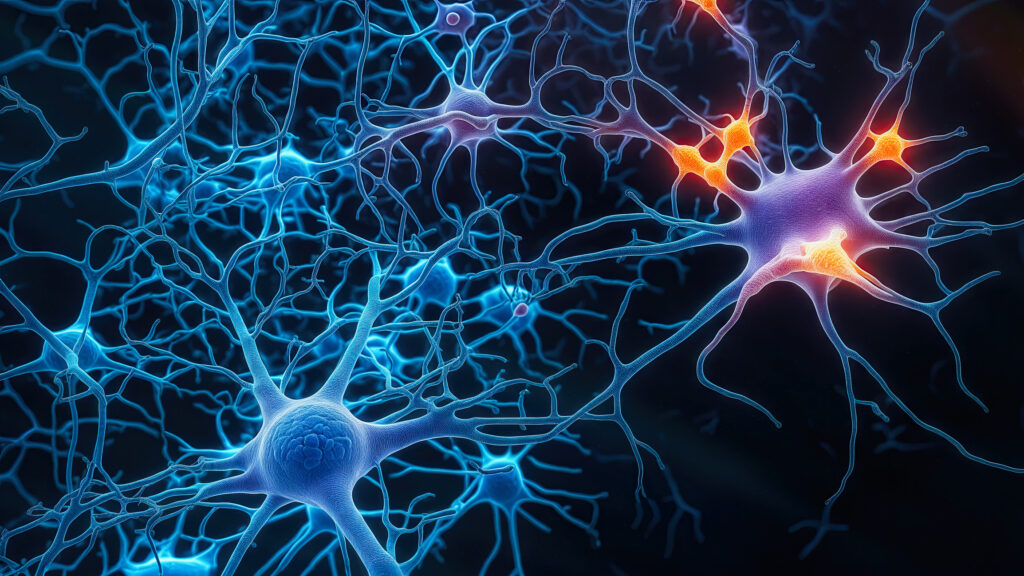
Your brain is the conductor of your life. It controls movement, stores memories, makes decisions, and forms your identity. This is why declines in brain health, such as during the development of dementia – a broad term for diseases that cause a progressive decline in cognitive function and affects daily living – are so devastating. […]
Advancing Open Access: ESM’s Contributions to Equity and Innovation in Scientific Publishing
Open access (OA) publishing has significantly transformed the landscape of scientific research, providing exciting opportunities for greater accessibility, collaboration, and public engagement. At Exercise, Sport, and Movement (ESM), an ACSM journal, we are exploring these opportunities while confronting the challenges inherent in OA publishing.