
“Mind the Drift” of HR for Accurate Exercise Intensity Implementation in Prolonged Aerobic Exercise
An appropriate and individualized dose of regular aerobic exercise is recommended to promote and preserve cardiorespiratory health throughout life. The exercise dose is defined by four ingredients: frequency, intensity, time and type of exercise. Among these, intensity is the most elusive term of the exercise “prescription.” It is typically determined from an external load (such […]
Clinical Exercise Physiologists in the Workforce

A clinical exercise physiologist (CEP) is an allied health professional trained to work with persons diagnosed with a chronic disease for which exercise training has been shown to be therapeutically beneficial. Such conditions include cardiovascular, pulmonary, metabolic, neuromuscular, immunological and orthopedic disorders, among others. Primarily, CEPs work in medically supervised environments providing programs or services directed by […]
ACSM Names Alexis Batrakoulis 2022 Certified Fitness Professional of the Year
The American College of Sports Medicine (ACSM) today announced Alexis Batrakoulis, Ph.D., ACSM-EP, ACSM-CPT, EIM-II, as the 2022 ACSM Certified Professional of the Year during its annual International Health & Fitness Summit in Dallas, Texas. ACSM created the Certified Professional of the Year award to recognize excellence in the exercise profession. The award also acknowledges the education […]
Women in Sports Medicine and Exercise Science: Accomplishments and Aspirations

As Women’s History Month draws to a close, it’s a fitting time to reflect on the accomplishments of women in our field and the gains we’ve made, as well as thank the mentors and leaders who blazed a path forward. The American College of Sports Medicine (ACSM) continues to lead in this regard, with accomplished women at […]
Low Fit Patients with Breast Cancer May Not Complete Chemotherapy
Several international guidelines and position statements have recommended that exercise should be embedded as standard practice in cancer care. The main argument for this has been symptom control, in particular for fatigue. Exercise during or after cancer treatment also improves quality of life, physical and role functioning, and reduces anxiety and depression. Following the 2018 […]
How ACSM-EPs and ACSM-CEPs Can Advance the Profession’s Recognition, Compensation

In March 2021, ACSM assembled a task force to determine how to streamline the reimbursement process for ACSM Certified Exercise Physiologists® (ACSM-EPs) and ACSM Certified Clinical Exercise Physiologists® (ACSM-CEPs). The consensus? Get ACSM EPs and CEPs recognized as qualified health care professionals, or QHPs. Well, what’s a QHP? According to the American Medical Association, a QHP is […]
Becoming an ACSM Certified Exercise Physiologist®: Who, Why and How
During their undergraduate academic careers, students majoring in exercise science-related fields contemplate various career paths and often seek guidance regarding the necessary steps to begin their career upon graduation. It is common to encounter soon-to-be graduates who want to work in the fitness industry but are confused about the wide breadth of certifications currently available. […]
#EatingHealthy: Can Nutrition Apps Do the Job?

We’ve all seen the increase in the number of available apps to monitor lifestyle behaviors such as physical activity, sleep and stress. There is also clear interest in apps that monitor diet and nutrition. So, how do you know if a nutrition app will be helpful? In the last few years, millions of users have downloaded and […]
Physical Activity Engagement for Clients with Intellectual and Developmental Disabilities
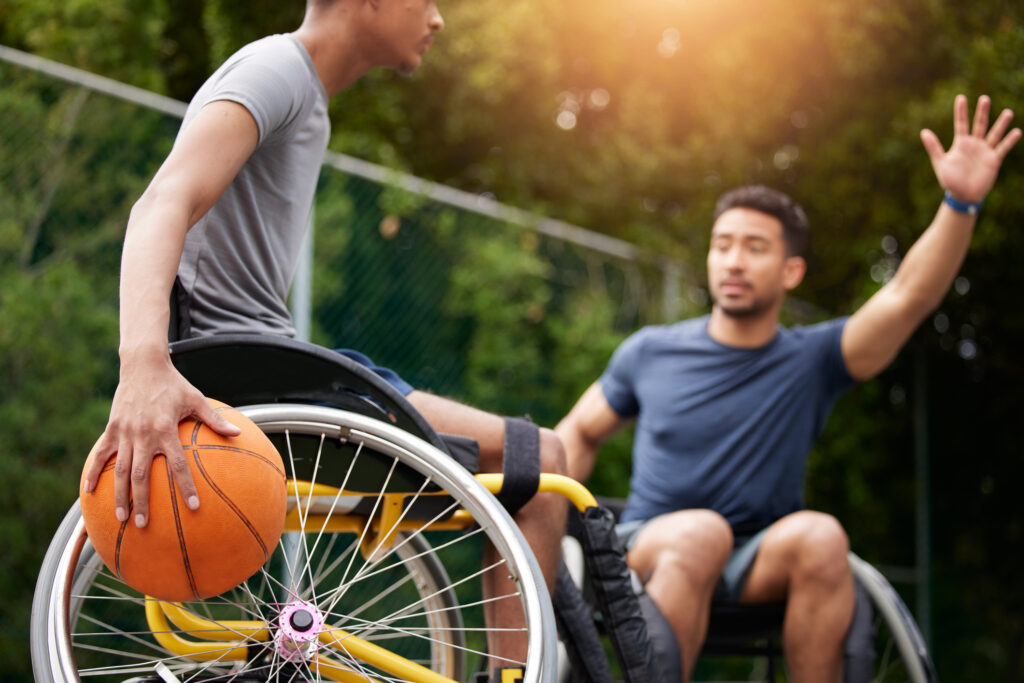
As a fitness professional, working with a client with intellectual and developmental disabilities (IDD) can present a uniquely difficult, though rewarding, experience. People with IDD face unique barriers to engaging in and adopting regular fitness regimens, including individual physical and cognitive limitations, time constraints and transportation restrictions, and access to facilities and appropriate programming.1 Therefore, tailoring […]
Does Menopause Make Women More Sympathetic to Exercise?
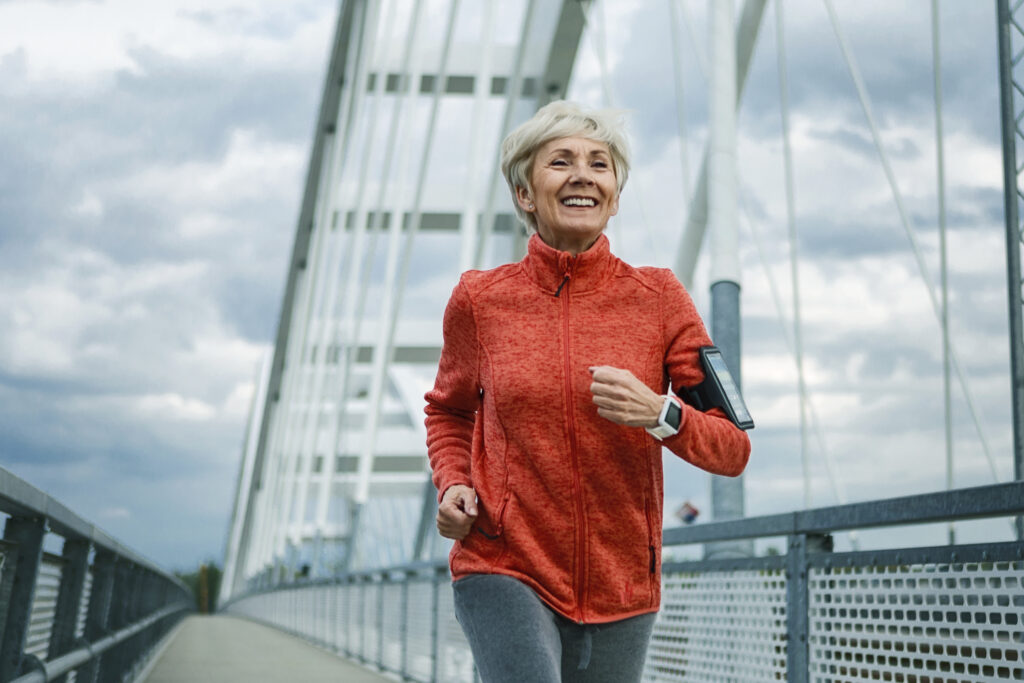
Cardiovascular disease remains the leading cause of death in women, and hypertension is a major contributing factor, particularly after menopause. The sympathetic nervous system — historically viewed as the “fight or flight” part of our autonomic nervous system — is involved in regulating blood pressure (BP) and can contribute to the development of hypertension. Previous […]