
Effects of Physical Activity on Mental Health in Vulnerable Populations

If you or someone you know is managing a mental illness, then you or they are not alone. Many Americans struggle with mental illnesses. Almost one in five adults live with a mental illness (52.9 million in 2020). Mental illness is defined by the National Institute of Mental Health as a mental, behavioral or emotional […]
National Mental Health Month: Promoted Resources
May is Mental Health Awareness Month. While we all know that physical health is obviously important to the wellbeing of a person, mental health is equally key. Mental health issues, such as depression and anxiety, are known to reduce the ability and desire to participate in health-promoting behaviors, making it an essential component in any […]
Mental Health and Heart Rate Variability
Two hot topics for athletes (and anyone interested in feeling/performing their best) right now are mental health and heart rate variability. For mental health awareness month, let’s talk about both! Mental performance and mental health exist on a continuum, and there’s frequent discussion in the world of sport psychology about distinctions, but one’s performance can impact […]
Client Challenge: Life-Change Stress Leads to Overeating, Unhealthy Food Choices

In this series, we’re exploring a variety of client scenarios. We describe a few tips from my science-based coaching toolbox to help you help your clients engage fully in a fit lifestyle that allows them to thrive, whatever thriving means in their lives. Today, we explore how to coach a client whose work responsibilities bring […]
Exercise Modality Influences Why Our Muscles Fatigue

During strenuous exercise, the neuromuscular system is repeatedly stressed, causing impairments to occur at various potential sites along the brain-to-muscle pathway. These perturbations cause a reduction in the ability of our muscles to generate force, which can increase our sense of effort, cause us to slow down and reduce our capacity to perform high intensity […]
How Does Exercise Improve Immune Bioenergetics?

Natural killer (NK) cells, which are found in the blood, are crucial in the prevention and treatment of cancer. They function by eliminating malignant tumors in an innate immune manner. NK cells express an array of activating and inhibitory receptors that recognize cancer cells without the need for immunization. Cytotoxicity is a process that results […]
Henry Ford Health Reimbursement Case Study

The Preventive Cardiology department at Henry Ford Health in Detroit, Michigan, employs 18 clinical exercise physiologists (CEPs) across three sites, as well as two registered dieticians (RDs); there are no other allied health professionals on staff. The Henry Ford Health CEPs provide a wide variety of services: For all of these categories, the CEP documents […]
High Intensity Physical Activity in Individuals with Elevated Levels of Coronary Artery Calcium Appears to Be Safe

The 2018 Physical Activity Guidelines for Americans notes that there is no obvious “best amount” of physical activity and no evidence of increased risk, even among those that engage in high intensity activities. However, vigorous physical activity may acutely increase the risk of heart attack and sudden cardiac death in some individuals. Recent studies have shown that large […]
Industry-Presented Q&A: How to Effectively Communicate the Science Behind Performance with your Athletes
Thank you to everyone who attended the March 10, 2022 Gatorade Sports Science Institute webinar on “How to Effectively Communicate the Science Behind Performance With Your Athletes.” Below is a series of follow-up questions and answers provided by presenter Kevin Luhrs. The course is still available here along with 1 CEC. Save up to 50% on […]
High-Intensity Interval Training (HIIT) Enhances Neuroplasticity in Healthy Older Adults
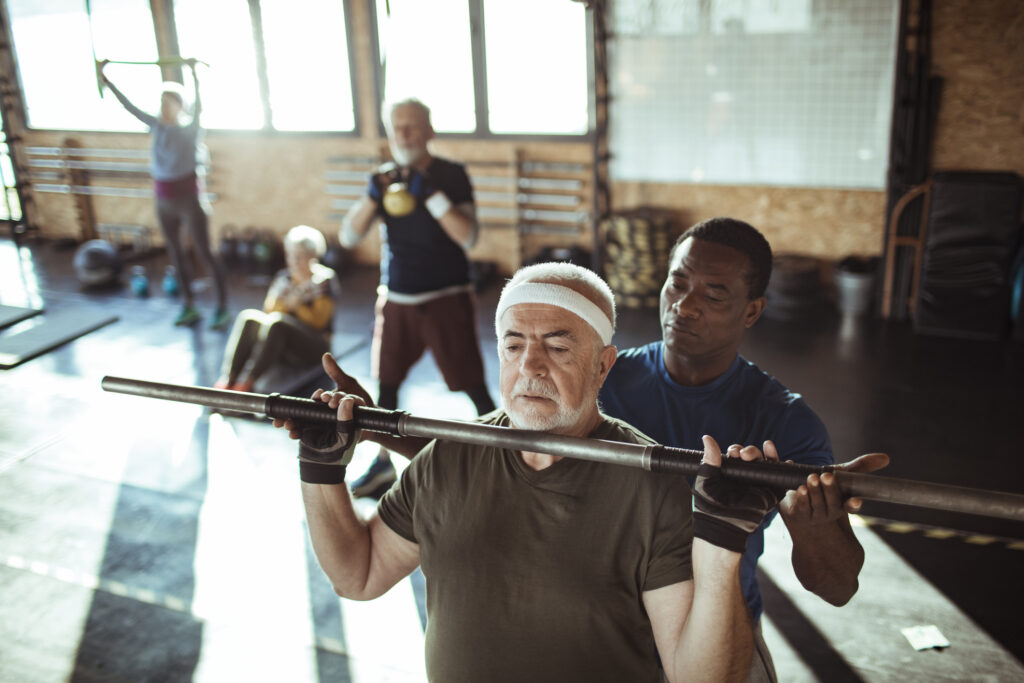
Neuroplasticity is the ability of the brain to physiologically change due to our experiences. There is accumulating evidence for the benefits of a single session of aerobic exercise to enhance motor learning and neuroplasticity in young adults. Stationary cycling exercise performed immediately before or after skilled motor practice enhances motor learning that involves movements of […]