Integrating Eastern Mindfulness Movements into Exercise Routines in the Era of the Pandemic

Take a look at the mass media and social media you are currently watching or reading in the month of May. What do you see? Most likely, you see articles mentioning Mental Health Awareness Month, Asian American and Pacific Islander Heritage Month, and exercise or physical activity recommendations in the era of the COVID-19 pandemic. […]
Alcohol Consumption and Exercise Performance

Alcohol consumption is a topic that is not often discussed with respect to exercise performance. Typically, people joke about alcohol consumption, in general; and yet, alcohol abuse is a very serious subject. In addition, it has been well established that alcohol negatively affects health and exercise performance. Alcohol has been shown to result in damaging effects to […]
Mental Health Awareness and the Role of Exercise Professionals

May is Mental Health Awareness month, which the American Heart Association calls “a time to raise awareness of those living with mental or behavioral health issues and to help reduce the stigma so many experience.” We might increase awareness by letting people know about the National Suicide Prevention Lifeline, which provides around-the-clock emotional support for people in crisis. […]
Client Challenge: Life-Change Stress Leads to Overeating, Unhealthy Food Choices

In this series, we’re exploring a variety of client scenarios. We describe a few tips from my science-based coaching toolbox to help you help your clients engage fully in a fit lifestyle that allows them to thrive, whatever thriving means in their lives. Today, we explore how to coach a client whose work responsibilities bring […]
Henry Ford Health Reimbursement Case Study

The Preventive Cardiology department at Henry Ford Health in Detroit, Michigan, employs 18 clinical exercise physiologists (CEPs) across three sites, as well as two registered dieticians (RDs); there are no other allied health professionals on staff. The Henry Ford Health CEPs provide a wide variety of services: For all of these categories, the CEP documents […]
Clinical Exercise Physiologists in the Workforce

A clinical exercise physiologist (CEP) is an allied health professional trained to work with persons diagnosed with a chronic disease for which exercise training has been shown to be therapeutically beneficial. Such conditions include cardiovascular, pulmonary, metabolic, neuromuscular, immunological and orthopedic disorders, among others. Primarily, CEPs work in medically supervised environments providing programs or services directed by […]
How ACSM-EPs and ACSM-CEPs Can Advance the Profession’s Recognition, Compensation

In March 2021, ACSM assembled a task force to determine how to streamline the reimbursement process for ACSM Certified Exercise Physiologists® (ACSM-EPs) and ACSM Certified Clinical Exercise Physiologists® (ACSM-CEPs). The consensus? Get ACSM EPs and CEPs recognized as qualified health care professionals, or QHPs. Well, what’s a QHP? According to the American Medical Association, a QHP is […]
Physical Activity Engagement for Clients with Intellectual and Developmental Disabilities
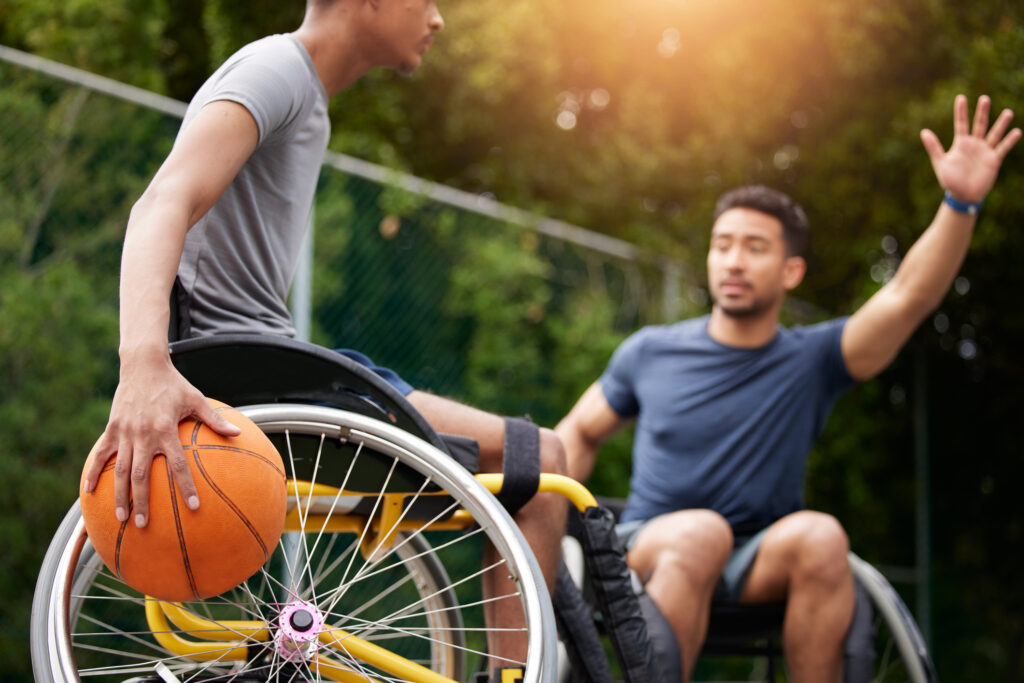
As a fitness professional, working with a client with intellectual and developmental disabilities (IDD) can present a uniquely difficult, though rewarding, experience. People with IDD face unique barriers to engaging in and adopting regular fitness regimens, including individual physical and cognitive limitations, time constraints and transportation restrictions, and access to facilities and appropriate programming.1 Therefore, tailoring […]
Case Model: Cardiac Rehabilitation CEP

My name is Vanessa Valle, and I’m an exercise physiologist at the Cardiac Rehabilitation and Wellness Center at the University of California, San Francisco (UCSF). Our program opened in October 2019 and, just as we were gaining some kind of semblance of momentum, we shut down due to the COVID-19 pandemic. Every policy and procedure […]
Muscle and Cancer: Outcomes and Expectations
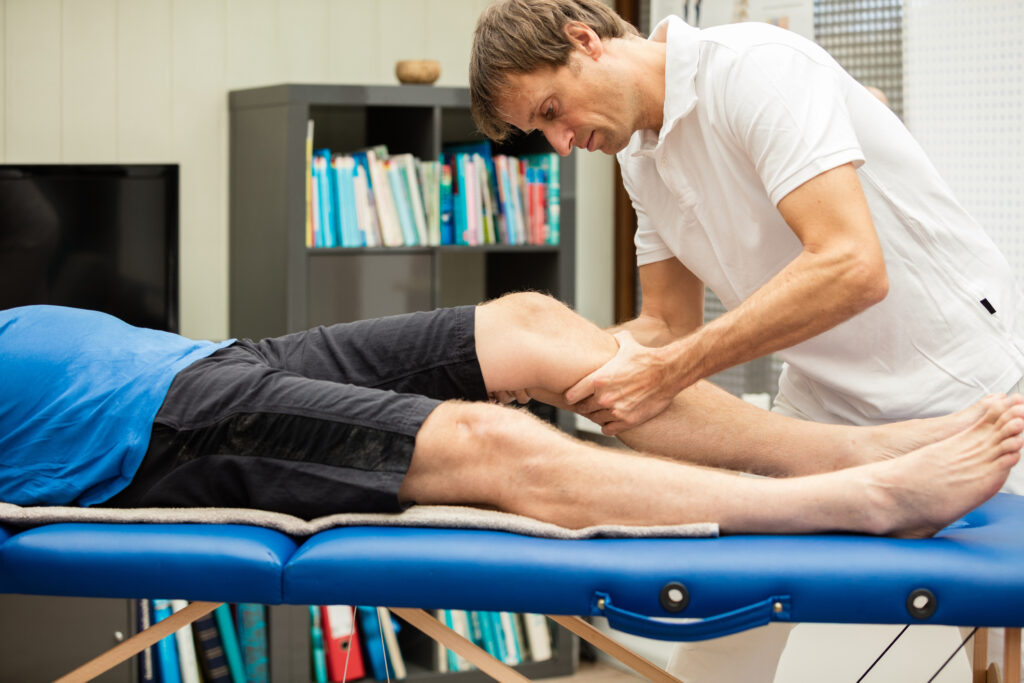
Low muscle and prognosis The question of muscle and cancer is one of the most fascinating and rapidly growing areas of exercise oncology. Dr. Carla Prado is considered one of the godmothers of this field: Her 2007 study identified low lean body mass as a predictor of chemotherapy toxicity in individuals with colon cancer. Since then, […]