
Being Active When You Have Peripheral Arterial Disease | Rx for Health
Studies show that participating in a supervised PAD exercise program helps lessen the amount of aching or cramping you have in your calves, butt or thighs when walking.
Being Active When You Have A Pacemaker | Rx for Health
A pacemaker helps keep your heart beating safely at rest and during exercise. Gradually increasing your level of physical activity can help you return to activities that are important to you.
Being Active When You Have High Blood Pressure | Rx for Health
Regular physical activity is one of the most important things you can do to help prevent, treat, and control hypertension (high blood pressure).
Being Active When You Have COPD | Rx for Health
When you have chronic obstructive pulmonary disease (COPD) you get short of breath easily. Doing the simplest things can become tiring and difficult.
Being Active When You Have Atrial Fibrillation | Rx for Health
People with atrial fibrillation (AF) who are more fit have fewer of the bad consequences related to their AF. Being active also reduces risk factors that lead to heart attacks, strokes, or more serious heart rhythm problems.
Active Voice | Midlife Physical Activity and Heart Failure Prevention

Heart failure does not develop overnight. Rather, it is a disease that can progress over several decades; long before symptoms are apparent to the individual or their physician. During later, clinical stages of heart failure, it can be very difficult for the individual to be physically active at any level. While clinical heart failure is […]
Importance of Exercise in Hypertension Identification and Management
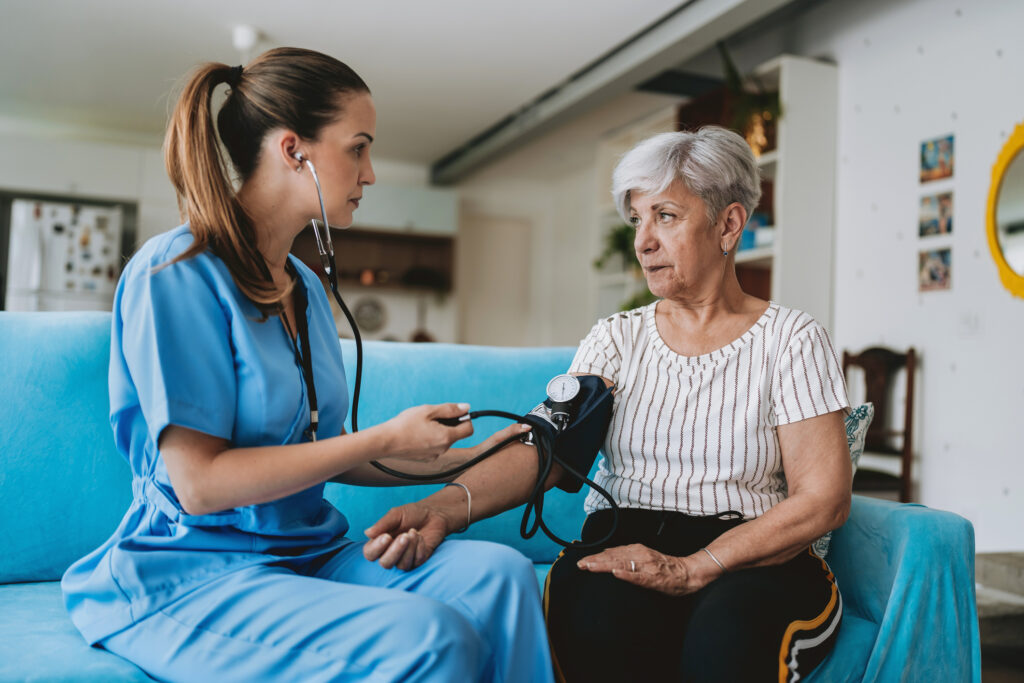
Hypertension, or high blood pressure, remains the leading modifiable cardiovascular disease risk factor. It is estimated that nearly half of American adults have hypertension, which is defined as a resting systolic blood pressure greater than or equal to 130 mmHg and/or a diastolic blood pressure greater than or equal to 80 mmHg. Even more alarming, […]
Diving into Health: Aquatic HIIT for Older Women
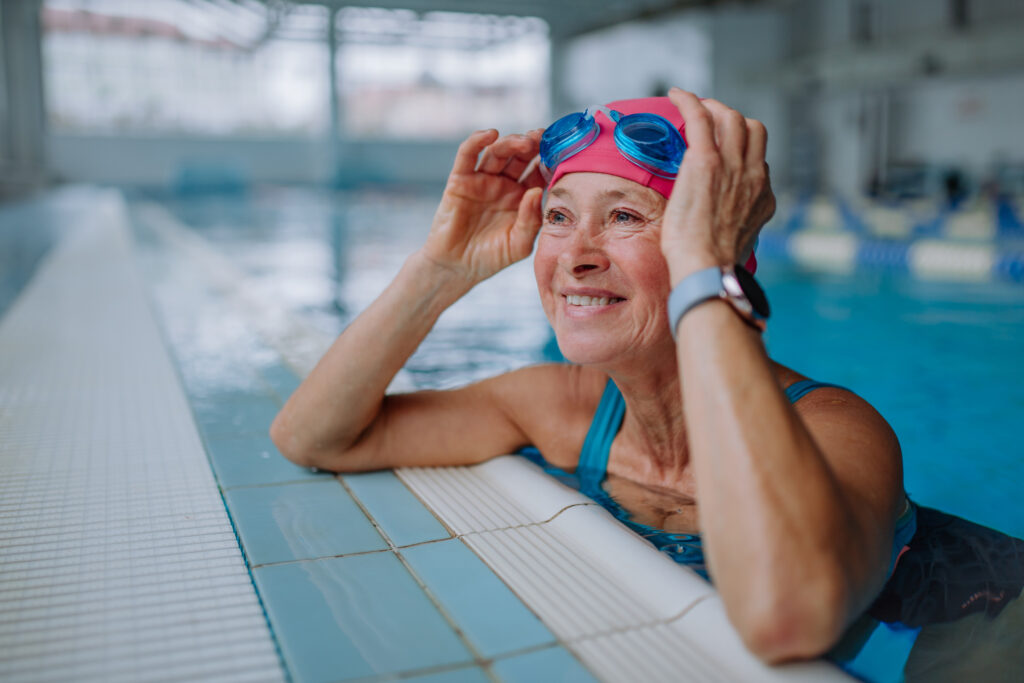
Recent public health guidelines emphasize the importance of high-intensity interval training (HIIT) as an effective strategy for improving cardiometabolic health, particularly among older adults. While land-based HIIT (L-HIIT) has gained popularity, it may not be the best fit for everyone, especially elderly individuals struggling with deconditioning and joint issues. This is where aquatic high-intensity interval […]
Cardiorespiratory Fitness and Platelet Reactivity

Low cardiorespiratory fitness (CRF) has long been linked to cardiovascular disease (CVD), and platelets are key mediators in atherosclerotic CVD and thrombosis. However, few prior studies have examined associations between fitness and platelets, the majority exploring platelet reactivity after acute exercise bouts and showing a transient platelet hyperreactivity phase. Studies that have looked at chronic […]
Ultramarathons and the Heart-Lung Interface

The popularity of ultramarathon trail running has increased rapidly in recent years, with thousands of events now held annually around the world. Ultramarathons are broadly defined by an event distance that exceeds the traditional marathon (42.195 km) and typically range from ~45 to 170 km. In contrast to the traditional marathon, ultramarathon events are frequently […]