
Exercise, Type 2 Diabetes and Communities of Color

ACSM’s February release of its new consensus statement on type 2 diabetes (T2D) and physical activity is timely for Black History Month 2022 — communities of color disproportionately bear the burden of overweight/obesity and diabetes, likely due in large part to social and environmental factors. For instance, we know that a reduction in physical education […]
One Number That Knows if You Are Active Enough
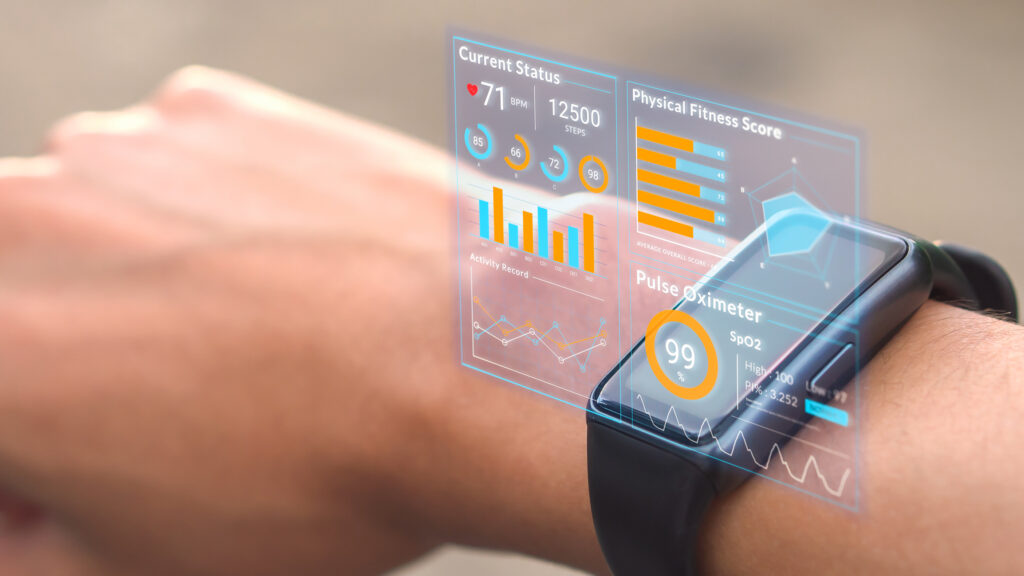
Personal Activity Intelligence (PAI) is a physical activity monitoring approach invented by researchers at the Norwegian University of Science and Technology around five years ago. It uses heart rate data (e.g., from a wrist-worn monitor) to provide the user with a single metric. This number reflects the amount and intensity of aerobic exercise a person […]
Why We Must Prioritize Equitable Access to Physical Activity for Children with Disabilities
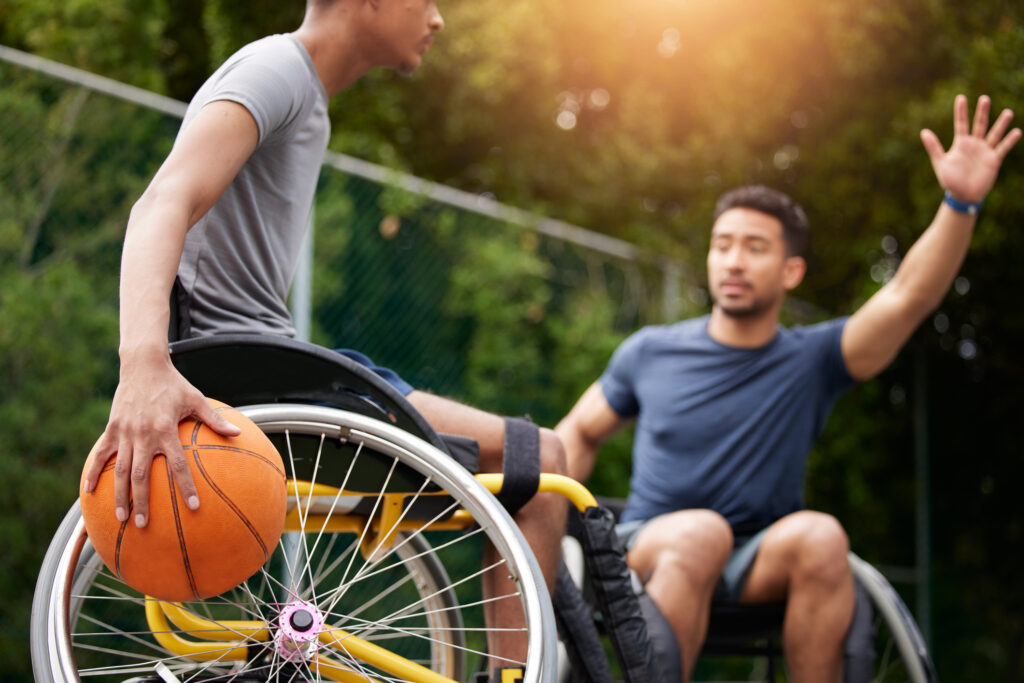
Providing children with disabilities equal access to quality education is a central tenet of the Individuals with Disabilities Education Act (IDEA). This four-part American legislation governs how states, schools and public agencies provide special education and related services to more than 6.5 million children across the country. Within this legislation, students are entitled to free […]
Disparities in the Quality of Physical Activity Environments

There are race, ethnic and socioeconomic status (SES) disparities in physical activity. The disparities differ by domain of physical activity (e.g., occupation, transportation), but there is consistent evidence that leisure time physical activity is lower among individuals with lower income and members of most race and ethnic minority groups. One possible explanation of these disparities […]
Air Quality and Outdoor Exercise

There is incontrovertible evidence linking poor air quality to adverse health outcomes. This is especially true for people with pre-existing conditions such as heart disease, stroke, asthma and chronic obstructive pulmonary disease. However, healthy people are at risk too. Exposure to air pollution has been linked to a higher risk of developing asthma, and recent […]
Parks: More Than Just a Playground
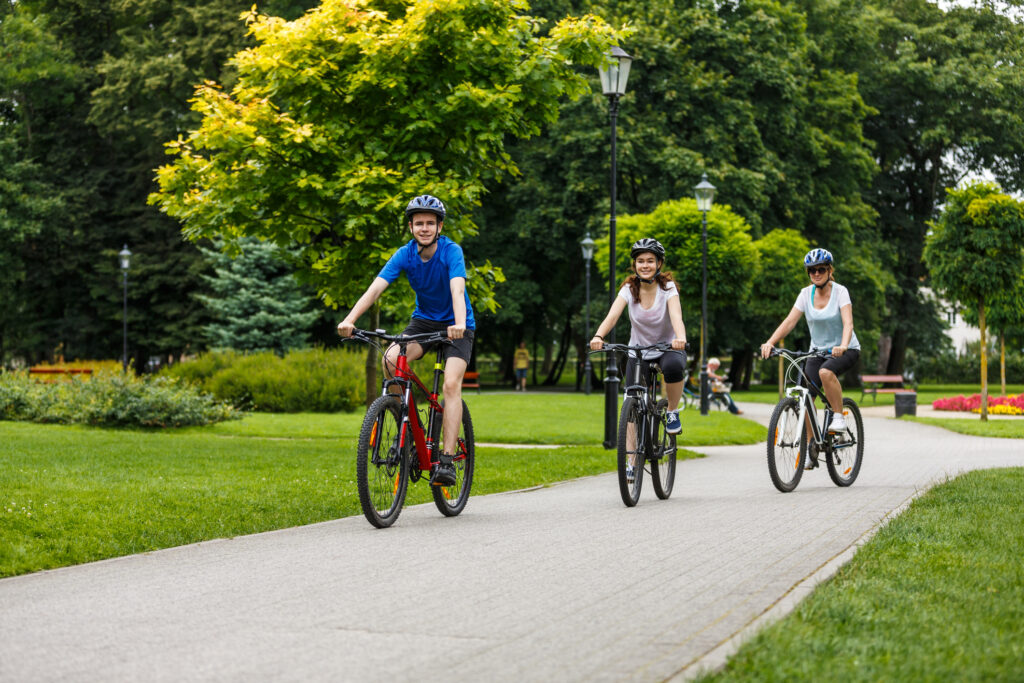
Summertime is in full swing, and, for many of us, it’s the time of year we consider engaging with the great outdoors. However, as much as we might like, we can’t make every day a journey into nature … or can we? Local parks are a significant way to bring a piece of nature into […]