I always laugh when people assume that teaching group exercise means getting paid to exercise. So far from the truth! Any group instructor knows this is a fallacy. From the outside it looks easy to do — a little like a duck gliding along the in water, you don’t see the little legs churning. Still, most people don’t see all the work that goes into teaching group fitness classes. Getting certified is an essential start, but then there’s all the ongoing specializations and continuing education, as well as practice and preparation.
Keeping up with the changes and growth in the industry is a job in and of itself! When I started teaching in 1986, I got certified to teach aerobics, and that was it. And back then it was high-impact aerobics — now there is a myriad of different classes group instructors can learn how to teach. But I digress … I’m simply setting the stage to make a point: In today’s environment, to be successful, a group instructor needs to be a highly skilled professional. So, let’s examine one day in my life.
My Wednesdays start super early, since I have a 40-minute commute to a 6 a.m. treadmill-running class, followed by a 7 a.m. high-intensity interval training (HIIT) class in the main studio. Then I rush home to set up my home studio for a 10:30 a.m. virtual class. No big deal, really! Of course, on paper, it looks straightforward, but the reality is not so simple.
The first two classes are for younger, presumably healthy, fit populations in a health club setting, whereas the later virtual class is for the active aging, a group of men and women whose ages range from 60 to 88, many of whom have a host of different health conditions, such as macular degeneration, osteoporosis, cardiovascular disease and osteoarthritis. I need to use a whole different skill set for this third group, and I don’t mean just the technology, although the class involves a computer, lights, a webcam, screen sharing, a microphone and all the rest of it.
My Wednesday preparation starts the week before, on Thursday, when I have time to practice the running classes I will coach the following Wednesday. Then on Tuesday there’s additional prep, such as designing and planning the other two classes and one more review of the treadmill run. So, when the alarm goes off at 4 a.m. and I’m grabbing my cup of coffee and having some quiet time to be mentally prepared, my day of teaching is all ready to be presented. As they say, if you fail to plan, you plan to fail. Class prep is everything!
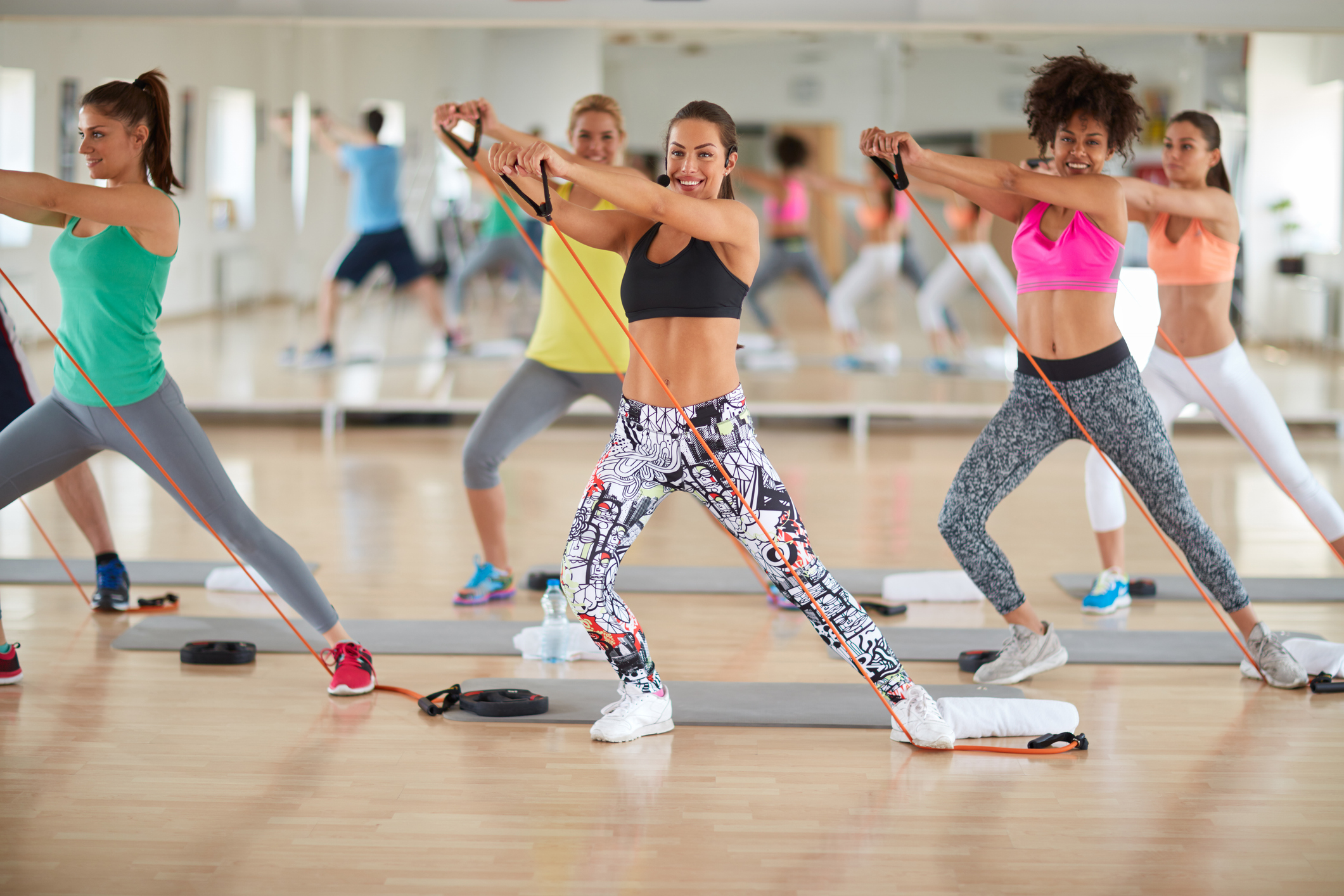
Once I get to the gym, I check the app to see who’s signed into class and review so I can remember their names and if they have any injuries or limitations, likes, dislikes and specific goals. I get to the treadmills early so I can greet people as they arrive. Coaching the class with a stopwatch, I carefully follow the designed plan and help my participants manage the intensity, length and speed of the intervals. Forty-five minutes later, after the cooldown, stretch, high-fives and fist bumps, I’m ready to go into the main studio to teach the HIIT class. Here’s where I lay out equipment and get music playing to set the stage so I can greet people as they come in. The class is high intensity, so I keep it fun and doable, allowing people to self-select the level to work at. Even though it’s HIIT, I still teach multi-level. Forty-five minutes later, I’m heading home for breakfast and to set up for the virtual class.
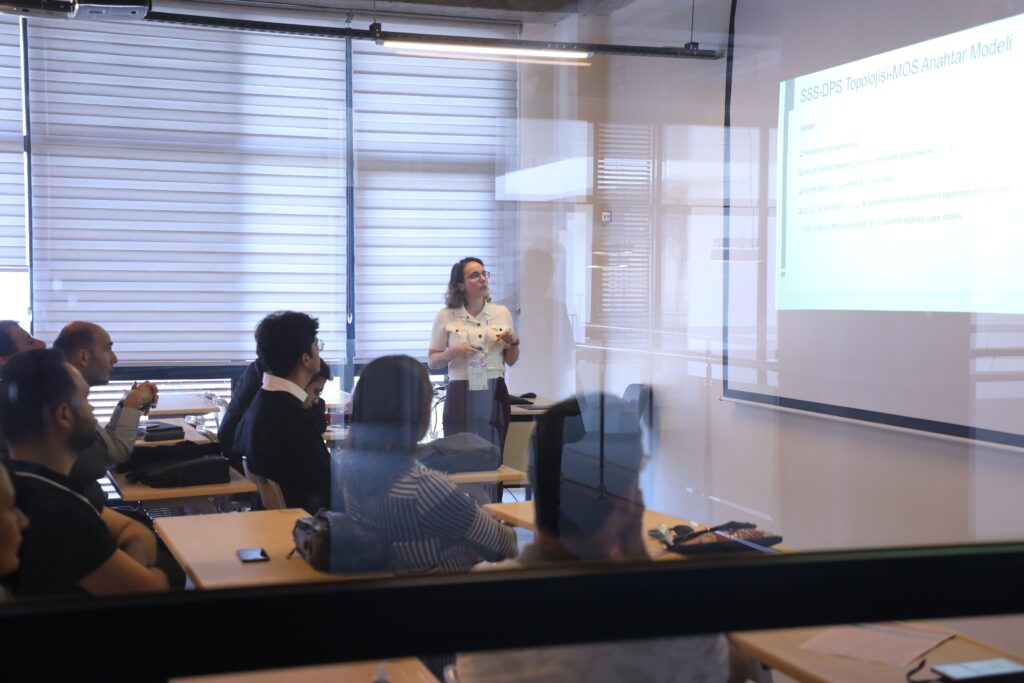
Lights, camera, action! It all starts again, but now with a different set of goals for a very different population. Keeping people engaged and building a sense of community is critical for the success of the class. Some people don’t have their camera on, so it’s harder to communicate. But watching those who do is essential. This is what makes the class competitive in the virtual world: the community and careful interactive communication you provide make all the difference. Fifty minutes later, after cooldown and stretch, I then film some moves from my class to post on social media. After breaking down the lights and putting everything away, it’s time to plan Thursday’s classes and prep for the rest of the week.
A well-prepared group instructor makes teaching look effortless. But the secret sauce is in the preparation, starting with certification and continuing education and building from there —not always the easiest career, but for me, one of the most rewarding! Even after 36 years of teaching, I feel just as excited and passionate, so when that 4 a.m. alarm goes off on Wednesday, I’m looking forward to seeing how I can make a difference.

Don’t miss the second edition of ACSM’s Resources for the Group Exercise Instructor — available this summer! This updated edition is fully aligned with the eleventh edition of ACSM’s Guidelines for Exercise Testing and Prescription. It is an essential resource for undergraduate exercise science programs, students in pre-professional programs and those independently preparing for the ACSM Group Exercise Instructor (ACSM-GEI) certification. This new edition of ACSM’s Resources for the Group Exercise Instructor highlights the skills needed to effectively lead group exercise in gyms, studios, recreational facilities and clubs.

Keli Roberts, ACSM-EP, has been recognized for many prestigious awards in the fitness industry. In 2003, she was named the IDEA International Fitness Instructor of the year. In 2005, Keli was awarded the Best Female Presenter and in 2008 she received the Lifetime Achievement OBOW award and in 2007 she was inducted into the National Fitness Hall of Fame. Keli is an ACSM-EP and holds certifications through AFAA and ACE as a GFI, HC and CPT. Moreover, Keli is an SCW Faculty Member, a Schwinn Senior Master Trainer and an Ambassador for Ryka.