
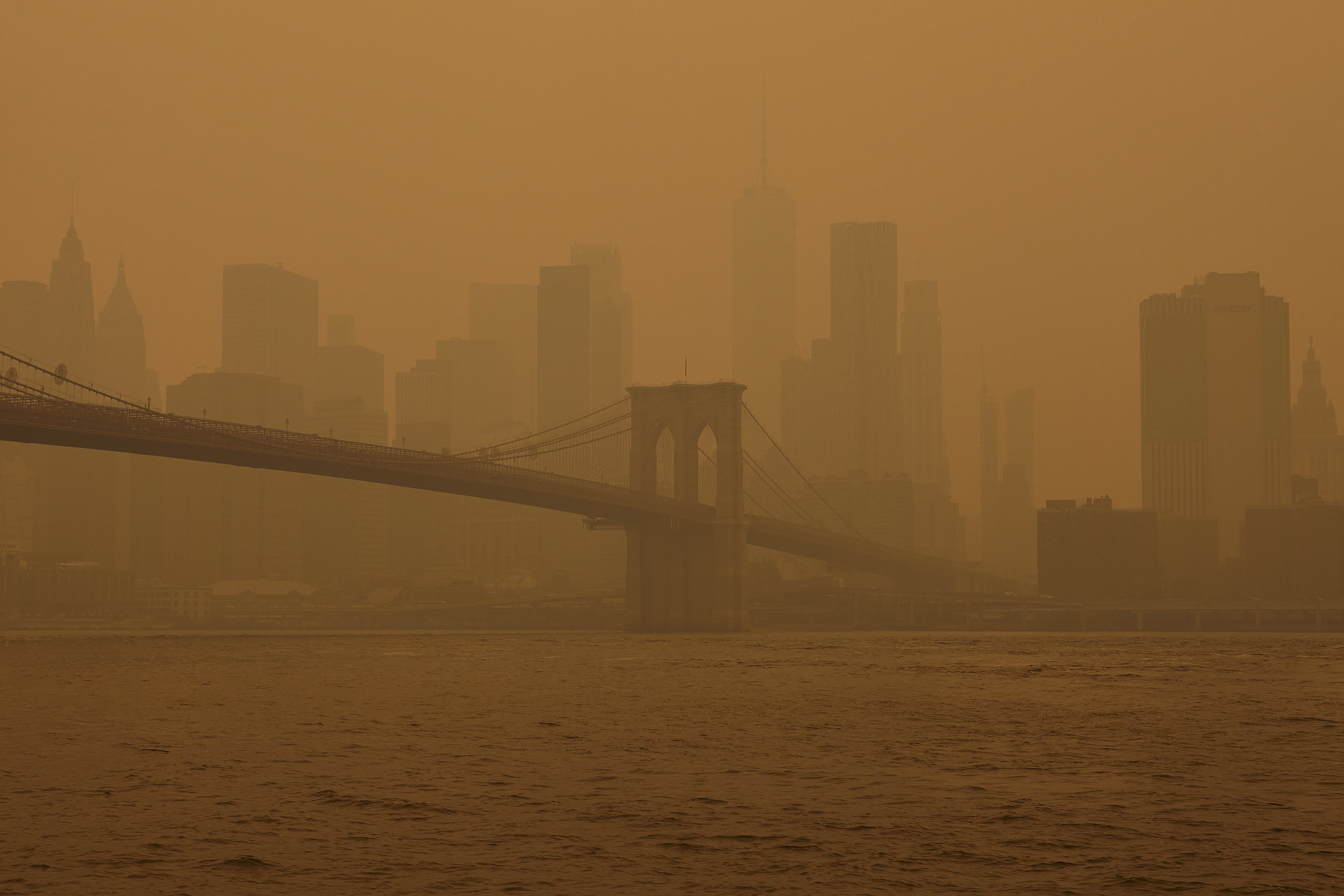
Physical activity is recognized as one of the key healthy lifestyle behaviors that reduces the risk of developing dementia late in life. Physical activity requires increased rates of respiration. Thus, in areas with high levels of air pollution, physical activity may increase exposure to particulate matter and gases that are linked with higher risk of developing dementia. Previous work has suggested that engaging in physical activity in areas with high air pollution may attenuate some physical activity-related health benefits. To date, however, no research has examined the potential interaction between physical activity and air pollution on the risk of developing dementia.
In our study, published in the July 2022 issue of Medicine & Science in Sports & Exercise®, we used the largest sample collected to date (n = 35,562) that includes objectively measured physical activity (via wearable accelerometers). Our goal was to determine whether air pollution exposure modifies the relationship between physical activity and incident dementia. We found that, overall, increased physical activity is associated with reduced risk of developing dementia. However, for two types of air pollution, PM2.5 (particulate matter with diameters less than 2.5 microns) and PM2.5 absorbance, (a measure of black carbon), the beneficial effects of physical activity on incident dementia are eliminated at high air pollution exposures. Air pollution exposure in this sample is comparable to regions where pollution levels fall within World Health Organization and United States Environmental Protection Agency guidelines for health and welfare. Our findings suggest that even moderate levels of air pollution impact physical activity-related brain benefits.
We think there are several key takeaways from this study that have implications both for future research as well as for broader discussions of policy and public health. First, both epidemiological research and multicenter interventions examining exercise and brain health may be impacted by differences in air pollution across geographic locations. These environmental interactions may moderate the true impact of physical activity and exercise on the brain, and researchers should consider taking environmental data into account in their analyses and research design. Second, we hope this work spurs future research into how best to minimize physical activity-related risks of air pollution at the individual level (e.g., use of high-quality masks, optimal times of day for physical activity and improvements in indoor air quality in gyms).
However, our most important message is that there is only so much an individual can do to minimize the impacts of air pollution on their own exercise patterns. Thus, our work is part of a broader literature that calls on researchers to advocate for improvements in air quality at local, national and international levels. We know that disparities exist, both in how air pollution exposure differs across socioeconomic circumstances and in individuals’ ability to avoid exposure due to occupational physical activity. Thus, it is incumbent on us all to help reduce air pollution at a societal level. Only by working together can we have a broad impact on everyone’s ability to equally reap the brain benefits of physical activity.

David Raichlen, PhD, is a professor in the Human & Evolutionary Biology Section of the Department of Biological Sciences at the University of Southern California. He studies the evolutionary origins of human physical activity and applies this perspective to physical activity epidemiology and exercise physiology in living humans. With a specific focus on the role of physical activity in reducing dementia risk, he combines methods from epidemiology, cognitive neuroscience, exercise physiology and biological anthropology to bring evolutionary principles to work on improving brain health in modern human populations.
Viewpoints presented in SMB commentaries reflect opinions of the authors and do not necessarily represent ACSM positions or policies. Active Voice authors who have received financial or other considerations from a commercial entity associated with their topic must disclose such relationships at the time they accept an invitation to write for SMB.