
Loss of Lean Tissue during Weight Loss Increases Weight Regain in the Long Term

Over the last four decades, obesity has become one of the major public health problems in the U.S. Due to its prevalence (>40% of the adult population are obese) there is an increased risk of comorbidities, especially Type 2 diabetes and cardiovascular disease. Although weight loss is difficult, it is well established that weight loss […]
Tips for Presenting an Award-Winning Poster at an ACSM Regional Chapter Meeting

As graduate students, we spend tireless hours collecting data, gaining knowledge about our field, and learning new laboratory techniques (often into the wee hours of the morning). Conferences provide us an opportunity to finally showcase our hard work. Presenting your research at conferences is one of the best opportunities to tell your story as a […]
Capitalizing on Accelerometry to Measure Performance Fatigability in Older Adults

Fatigability is not a new concept in the exercise physiology realm. Researchers have long paired physical activity measures with ratings of perceived exertion or contractions of isolated muscle groups during tasks to quantify self-reported or muscle fatigability. Of late, the term “fatigability” has evolved and is widely used in aging research to represent a whole-body trait of […]
11 Tips for Instructors Bringing Students to ACSM Regional Chapter Meetings

One of the best parts of being a faculty mentor is taking students to regional conferences. You get to show them inspiring scientific content and introduce them to peers and colleagues who share their passion for sports medicine and exercise science. If you’re planning to take students to an ACSM regional chapter meeting, consider these […]
Combating Obesity as a Family

Obesity is one of those diseases that just breaks my heart. After almost 24 years in the health care field, I have not personally witnessed a reduction in this “lifestyle” disease, and the official statistics in the U.S. and worldwide don’t reflect that much progress has been made toward prevention. There are many reasons why […]
Eccentric Contractions Are Responsible for Muscle Damage and Neuromuscular Fatigue

Many of our functional daily and exercise activities include both concentric (shortening) and eccentric (lengthening) muscle contractions (actions). However, eccentric-only or accentuated eccentric contractions are also commonly performed in resistance exercises. It is well known that exercises consisting of high-intensity and/or a large number of eccentric contractions induce delayed-onset muscle soreness and prolonged decreases in […]
Associations between Physical Health and Brain Health: Uncovering the Brain-Fitness-Adiposity Relationship in Children
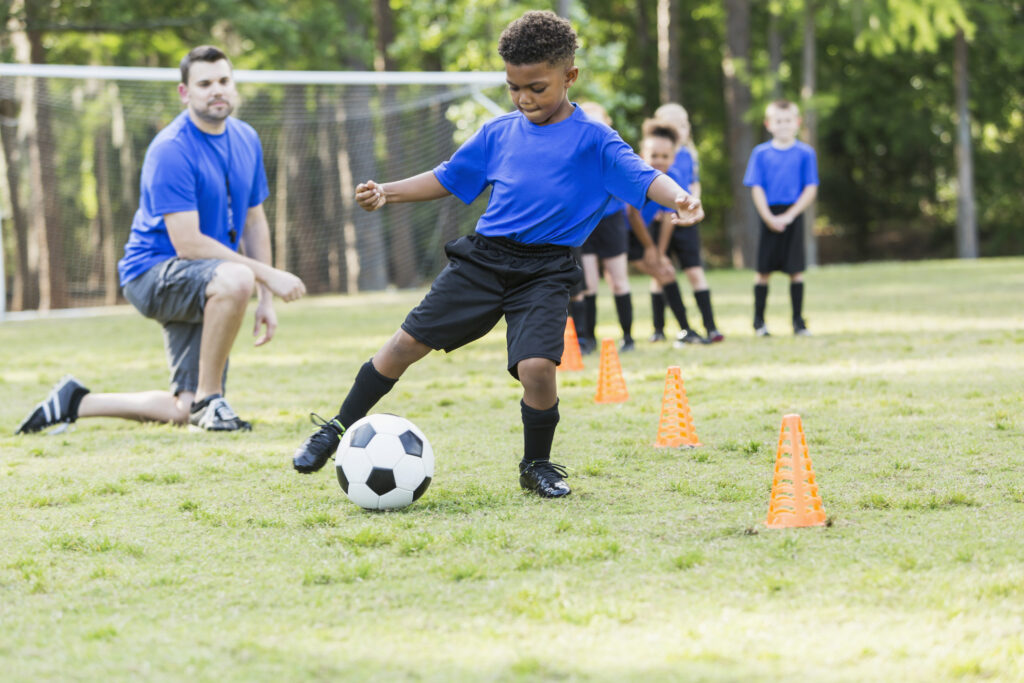
Childhood obesity is an epidemic affecting over 340 million youth worldwide, with rates continuing to increase each year. Importantly, childhood obesity does not occur in isolation, as rates of physical inactivity are also increasing, with children and teens being less physically active now than in the past. These areas of public health are incredibly interrelated, […]
The Pressing Need for Sports Medicine in Motorsports

Automobile racing is one of the largest spectator sports in the world, with a viewing audience equal to that of soccer, and most people, regardless of their interest in the sport, can name famous race events like the Daytona 500 or Indy 500 and drivers like Jeff Gordon, Mario Andretti or Lewis Hamilton. The popularity […]
Overall Physical Activity or Intensity of Activity: Which Is More Important for Cardiometabolic Health?

Cardiometabolic risk describes a collection of factors known to increase the likelihood of cardiovascular disease. It includes lipid and glucose metabolism as well as adiposity and hypertension. We know that being more physically active is associated with lower cardiometabolic risk. However, it is not clear whether more specific or tailored physical activity guidance can be […]
Resistance Exercise Increases Gastrointestinal Symptoms, Markers of Gut Permeability, and Damage in Resistance-Trained Adults

Gastrointestinal (GI) discomfort can occur as an unfortunate byproduct of physical exercise. While this phenomenon has been thoroughly outlined in endurance athletes, only one study to date has measured and reported increased markers of GI injury following resistance exercise that coincided with decreased nutrient absorption. Grand View Market research estimates the global digestive health market will reach […]