
Urban green spaces: A “green third place” to promote community
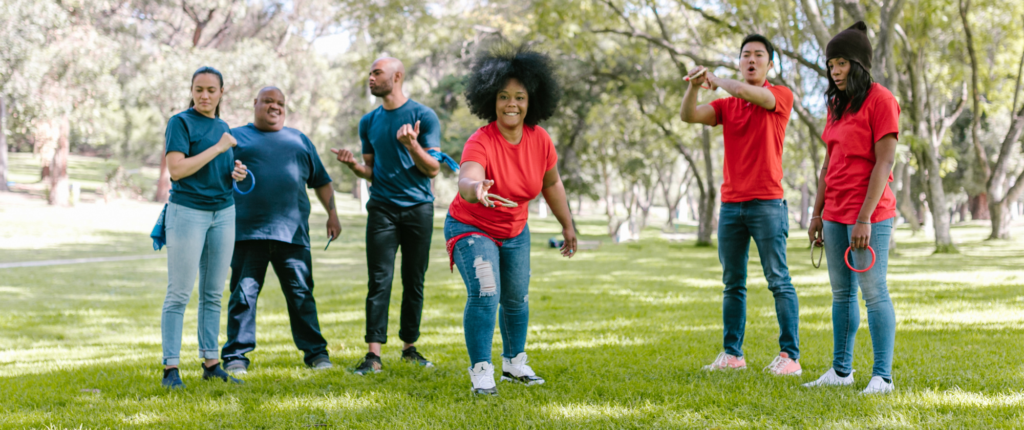
I love my local public green spaces. I have two (a town park and a nearby school) within easy walking/biking distance from home. We see friends and acquaintances regularly when at the playground, swimming in the river or attending community events like concerts, fairs or athletic competitions. It is wonderful to connect with your neighbors and […]
Natural Health: Access to Nature Improves Mental Health, Physical Activity and Chronic Diseases
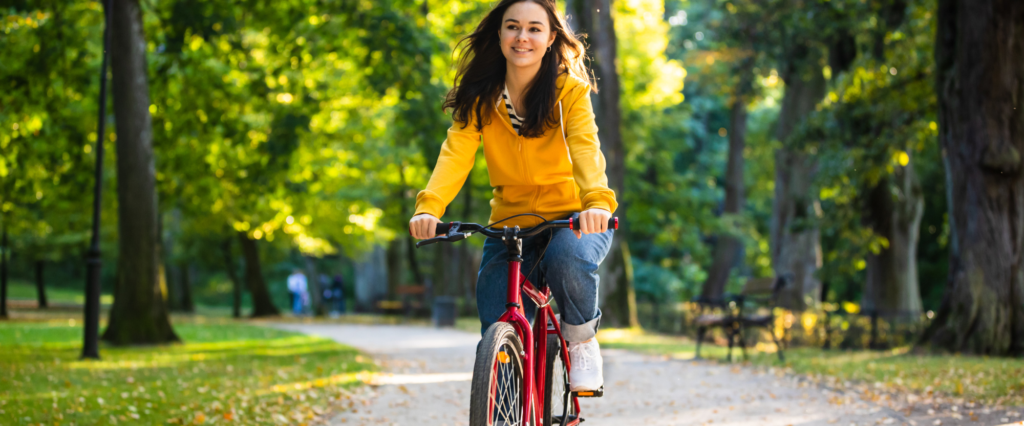
Have you ever wandered to a local park after a long day or a long week, taken a deep breath, and felt stress and tension leave your body? You are not alone. Just 20 minutes per day of exposure to natural environments decreases stress and improves cognitive function, blood pressure, mental health, physical activity and sleep. Chronic […]
First, You: Self-Care Strategies for Caregivers
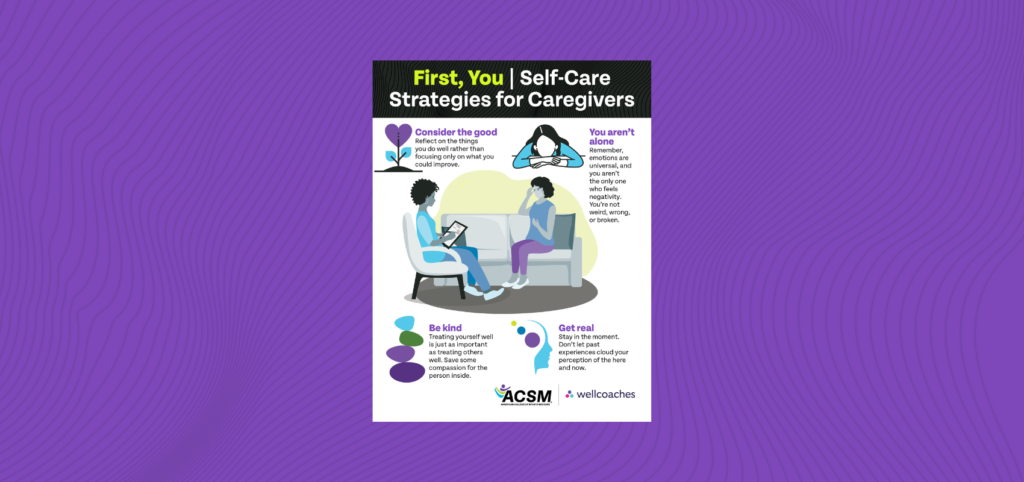
Fitness professionals and medical professionals provide care to clients and patients everyday, as do the thousands of others caring for family members, friends and their communities. When you’re so focused on providing care for others, you may lose sight of caring for yourself.
Play(grounds) for All: Inclusive Playgrounds and the Fitness Professional
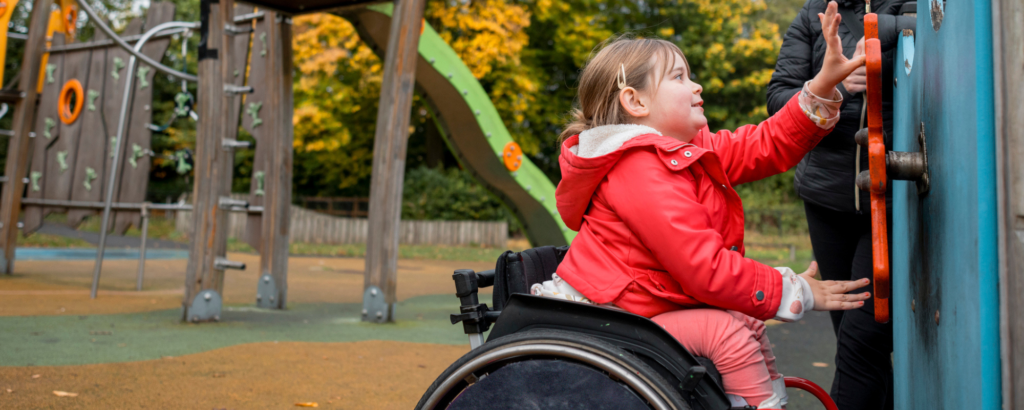
For children, playgrounds offer numerous physical, social and cognitive benefits, including the development of motor skills, social skills, creativity and independence. These structures, defined as a designated play area that contains traditional play equipment linked together by paths, provide rich contexts for children to explore their social and physical environments. As a result, playgrounds offer […]
Universal Response to the Collapsed Athlete | Sudden Cardiac Arrest
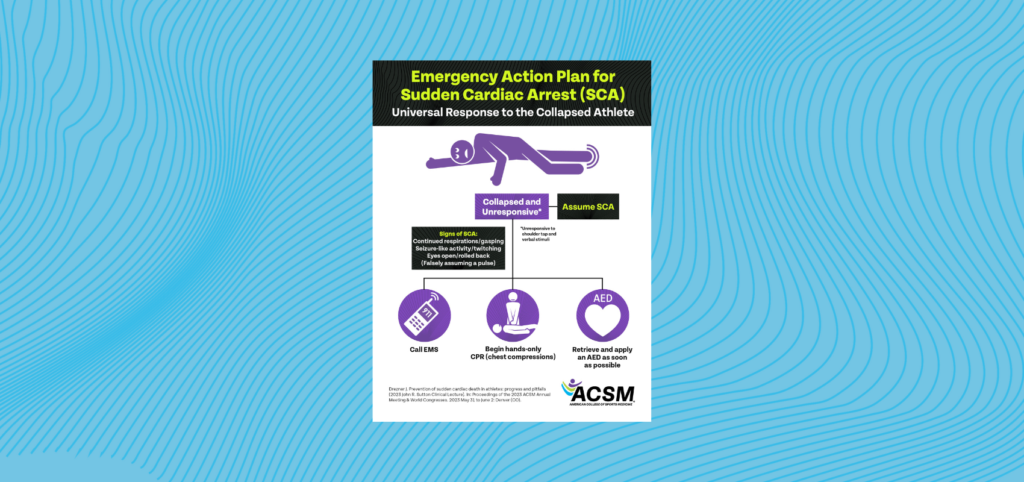
Every facility, organization and medical professional needs to have an emergency action plan to treat sudden cardiac arrest (SCA). This protocol for the universal response to the collapsed athlete is explained by Jonathan Drezner, M.D.
Community Gardens: Enhancing Nutrition, Physical Activity and Connection in Neighborhoods Across America
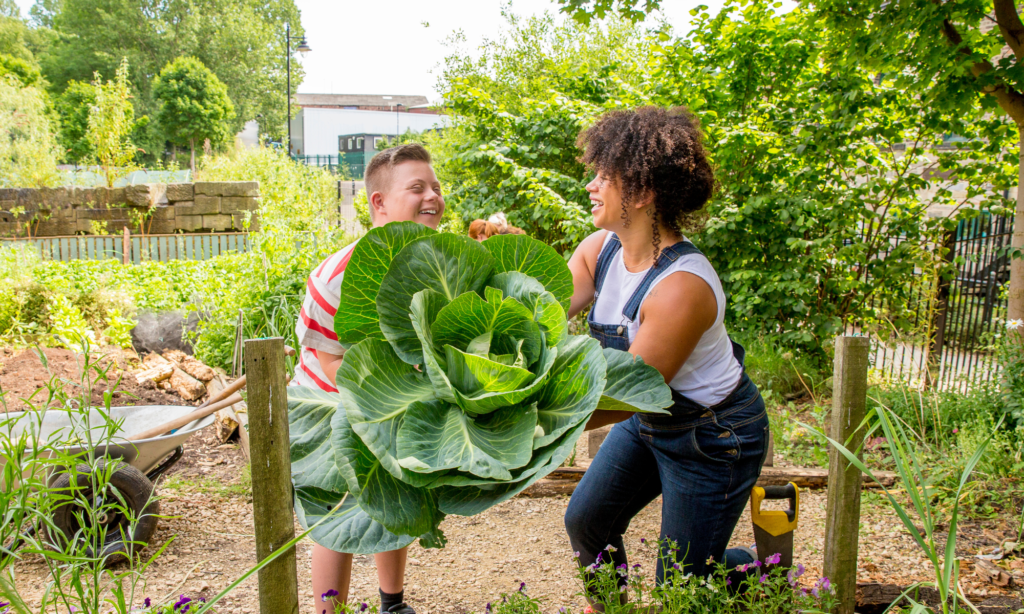
Gardening goes in and out of fashion over time, but the COVID-19 pandemic ushered in a new, younger wave of gardeners, many of whom grow in one of the more than 29,000 community garden plots located in city parks in the 100 largest U.S. cities. Community gardens have many benefits, including promoting healthy eating and physical […]
Supporting Your Clients’ Emotional Needs
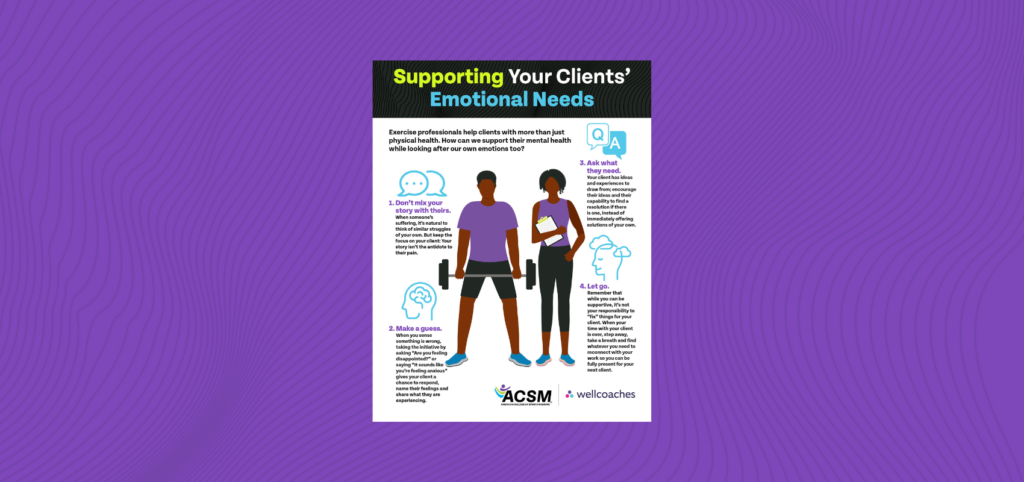
Exercise professionals help clients with more than just physical health. How can we support their mental health while looking after our own emotions too? Check out these tips.
Economic Benefits of Workplace Wellness Programs and Changes since COVID-19

Since the start of the COVID-19 pandemic, more employees have shifted to hybrid and remote work in office work, telehealth, information technology, education and other fields; however, there are many jobs that cannot be performed remotely, such as transportation, hospitality, manufacturing, food service, supermarket and other retail work and the majority of healthcare positions. Therefore, […]
Social Determinants of Health
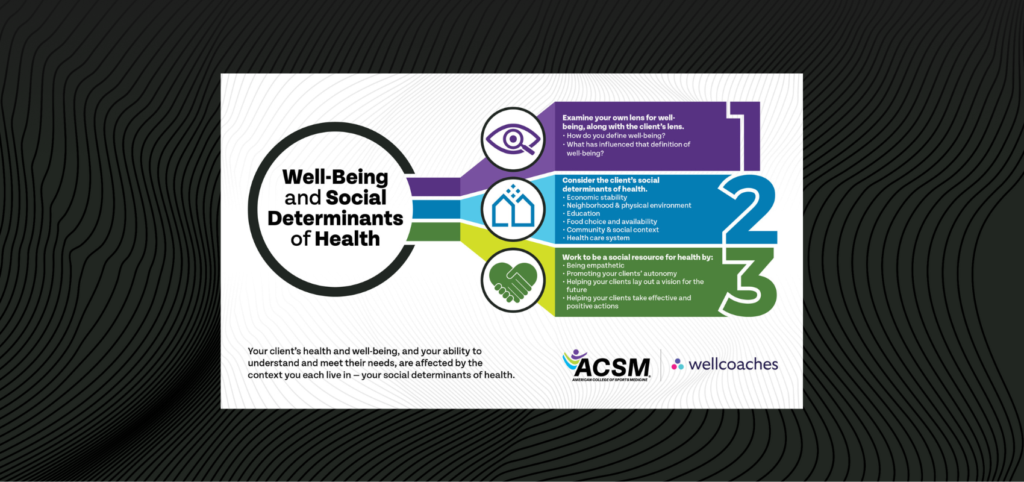
Your client’s health and well-being, and your ability to understand and meet their needs, are affected by the context you each live in — your social determinants of health.
Top 3 Evidence-Based Practices for Exercise Programming in Autism
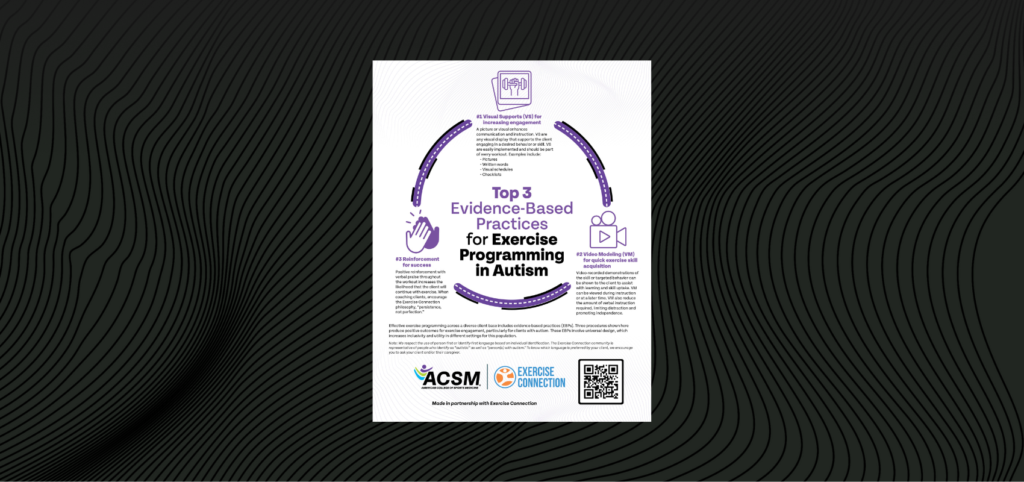
Effective exercise programming across a diverse client base includes evidence-based practices (EBPs). Three procedures shown here produce positive outcomes for exercise engagement, particularly for clients with autism. These EBPs involve universal design, which increases inclusivity and utility in different settings for this population.