
One Number That Knows if You Are Active Enough
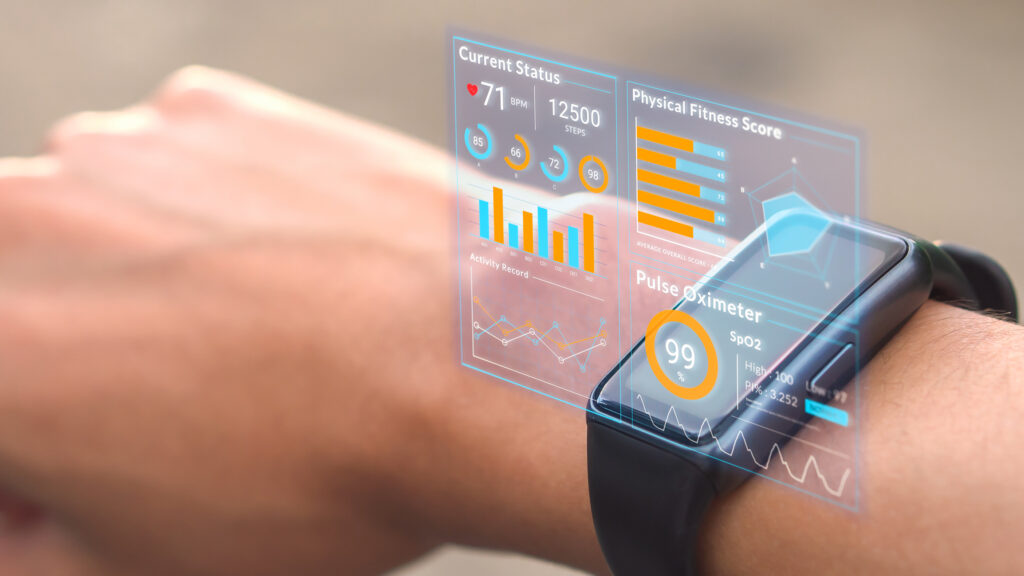
Personal Activity Intelligence (PAI) is a physical activity monitoring approach invented by researchers at the Norwegian University of Science and Technology around five years ago. It uses heart rate data (e.g., from a wrist-worn monitor) to provide the user with a single metric. This number reflects the amount and intensity of aerobic exercise a person […]
How Should Adult Handgrip Strength be Normalized for Body Size?

Muscle strength refers to the ability of the muscles to produce maximal force. One assessment method is to measure handgrip strength, which involves the maximal isometric force of the finger flexors using a handheld device. Handgrip strength is a convenient, reliable, valid and safe measure that is an important indicator of general health and sports […]
Exercise and Glucose Intolerance during Pregnancy: Exercise Dose and Timing Matter

Glucose metabolism during pregnancy plays a pivotal role in maternal and fetal health. Impaired glucose tolerance in pregnancy, such as gestational diabetes, is at the center of the “diabetes begetting diabetes” intergeneration vicious circle. It has been related to not only adverse obstetrics and perinatal outcomes, but also substantially increased risk of cardiometabolic disorders in […]
Diet Manipulation for Healthy Living: Importance of 16-Hour Fasting

Social media commonly offers a variety of healthy living solutions, presenting a perfect mix of speculation, firm belief, a bit of scientific evidence and personal experience. Nutrition tends to be a popular topic on social media. Often, a seemingly convincing case is made that encourages people that a dietary approach is miraculous. One such topic […]