
DALLAS, TX (May 8, 2024) – During a national virtual media briefing today, The National Athletic Trainers’ Association (NATA) and the American College of Sports Medicine (ACSM) issued a joint statement in support of the collegiate athletic trainer workforce.
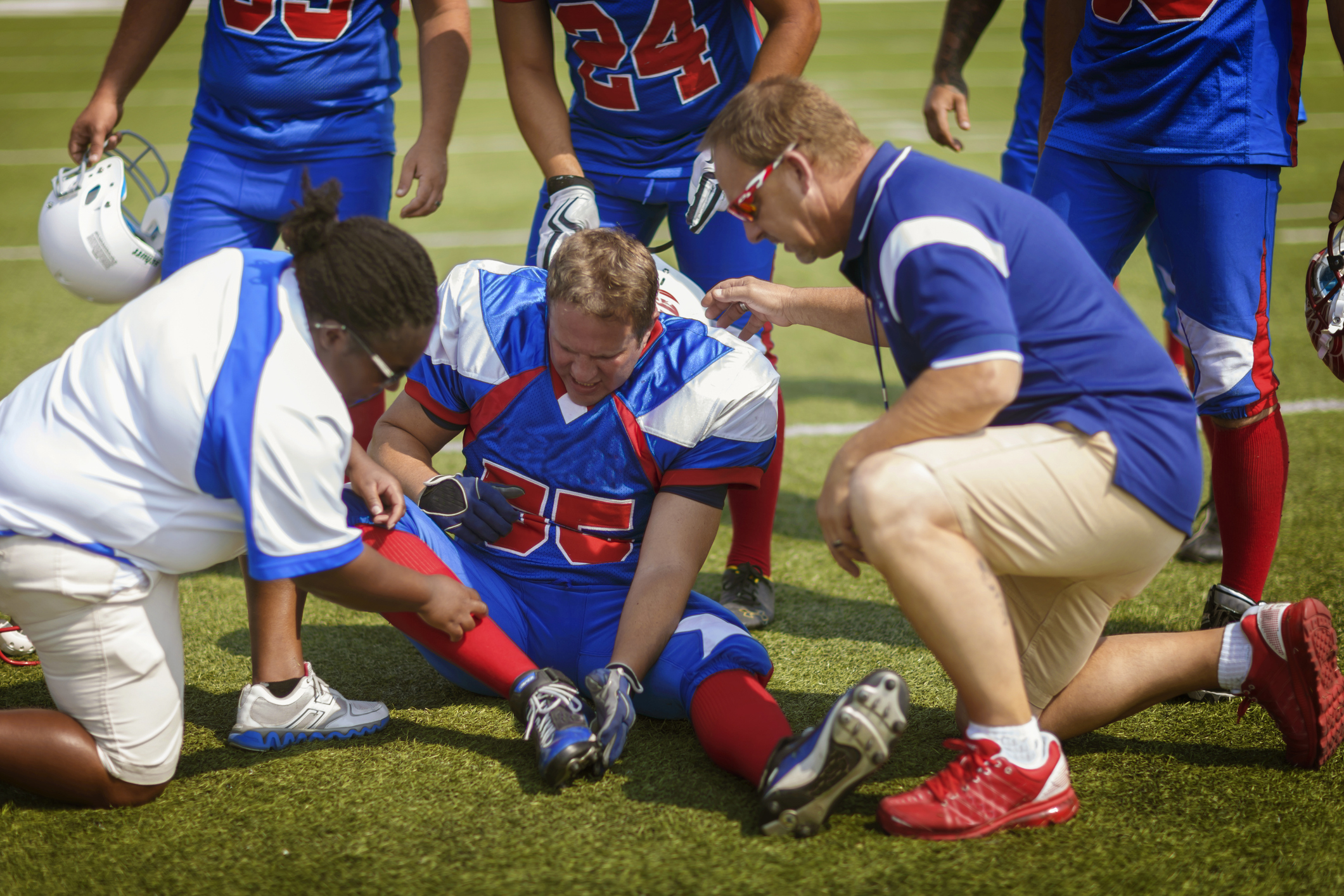
“College Athletics is struggling with a labor crisis due to the post-pandemic “Great Resignation.” Particularly in the area of athletic training, colleges and universities are finding it more and more difficult to recruit, hire and retain talent,” says National Athletic Trainers’ Association President Kathy Dieringer, EdD, LAT, ATC. “Given the impact and value athletic trainers (ATs) have on the student-athlete experience as well as reducing athletic department and institutional risk, it is critical for organizations to understand the problem with strategies to implement change.”
“The NATA/ACSM joint statement highlights the issues facing collegiate athletic trainers, our health care partners in college training rooms and on the sidelines,” adds ACSM Chief Medical Officer Bill Roberts, MD, FACSM. “Student athlete safety will be compromised if we do not find a solution to the workplace issues confronting athletic trainers who serve on the front lines of health care delivery in college sports.”
President Dieringer moderated and participated in the briefing along with Dr. Roberts and Intercollegiate Council for Sports Medicine (ICSM) Chair Brant Berkstresser, MS, LAT, ATC. A full recording of the event is here.
Background
NATA and ICSM in collaboration with the NATA Compensation Task Force surveyed more than 1,120 collegiate ATs across the country representing all levels of collegiate athletics. Compensation, organizational culture, burnout and increased work responsibility were significant themes.
A white paper, “The Collegiate Athletic Trainer Labor Crisis: A Data Driven Guide Outlining the Current Collegiate Workplace Environment and Strategies to Improve Workplace Engagement,” was developed and includes an employee checklist and resources.
The survey results were unveiled last year and led to meetings between the two organizations during the NATA Clinical Symposia last June.
“The statement is a vital next step in our collective progress to address the collegiate AT setting, ensure appropriate protocols and policies are in place that respect the profession and also ensure best sports practices are in place for the student athletes our members work with, says Berkstresser.
Topline Survey Results
In particular, more than half of survey respondents indicated they were caring for more than 100-student-athletes and 65% said they received additional responsibilities without an increase in compensation. Due to workload, they also expressed concerns about being able to provide appropriate care to meet the expectations of student-athletes, coaches and administration leading to burnout.
Additionally, there has been misinformation regarding a shortage of ATs due to a professional degree change, from the original baccalaureate level to a master’s in 2015. In fact, data from the Board of Certification shows an increase in certified athletic trainers over the past 10 years. As of 2020 the collegiate AT setting remains the 3rd highest representing the professional setting and behind secondary schools and clinics and hospitals.
Solutions and Action Steps
The statement reflects the following topline solutions and action steps:
- Conduct a compensation and benefit review of the institution
- Evaluate staffing needs per associated responsibilities
- Athletics review upon Return of Investment
- Enact policies that all Countable Athletic Related Polices need to be communicated to AT and other athletic department staff personal at least one week in advance for proper organization and planning purposes
- Develop Independent Medical Care Guidelines
“By putting these appropriate action items in place, NATA and ACSM have provided a roadmap for overall work conditions and considerations of the collegiate athletic trainer,” adds Dieringer. “We hope other organizations will consider adopting this statement to ensure even greater collaboration among allied sports and health organizations, their members and supporting academic institutions.”
About American College of Sports Medicine
ACSM is the largest sports medicine and exercise science organization in the world. More than 50,000 international, national, and regional members and certified professionals are dedicated to advancing and integrating scientific research to provide educational and practical applications of exercise science and sports medicine. Learn more at www.acsm.org.
About NATA: National Athletic Trainers’ Association – Health Care for Life & Sport
Athletic trainers are health care professionals who specialize in the prevention, diagnosis, treatment and rehabilitation of injuries and sport-related illnesses. They prevent and treat chronic musculoskeletal injuries from sports, physical and occupational activity, and provide immediate care for acute injuries. Athletic trainers offer a continuum of care that is unparalleled in health care. The National Athletic Trainers’ Association represents and supports 40,000 members of the athletic training profession. Visit nata.org for more information.