Working with Older Adults? Don’t Skimp on Strength Training
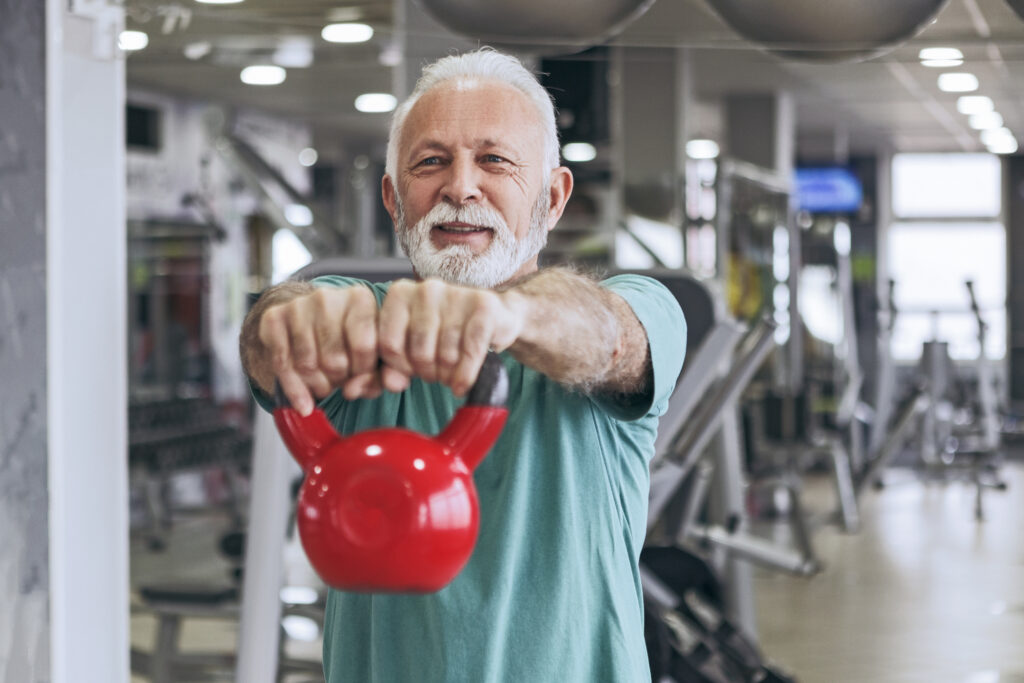
“Garrett, I’m too old to strength train.” If I had a penny for every time I heard this statement, I’d be a rich man! Really, I would. More recently: “Dr. Kellar, aren’t some people too old to do strength training?” What? No! A person is never — yes, never — too old to strength train! As one […]
Why Getting Certified Should Be Your Next Step
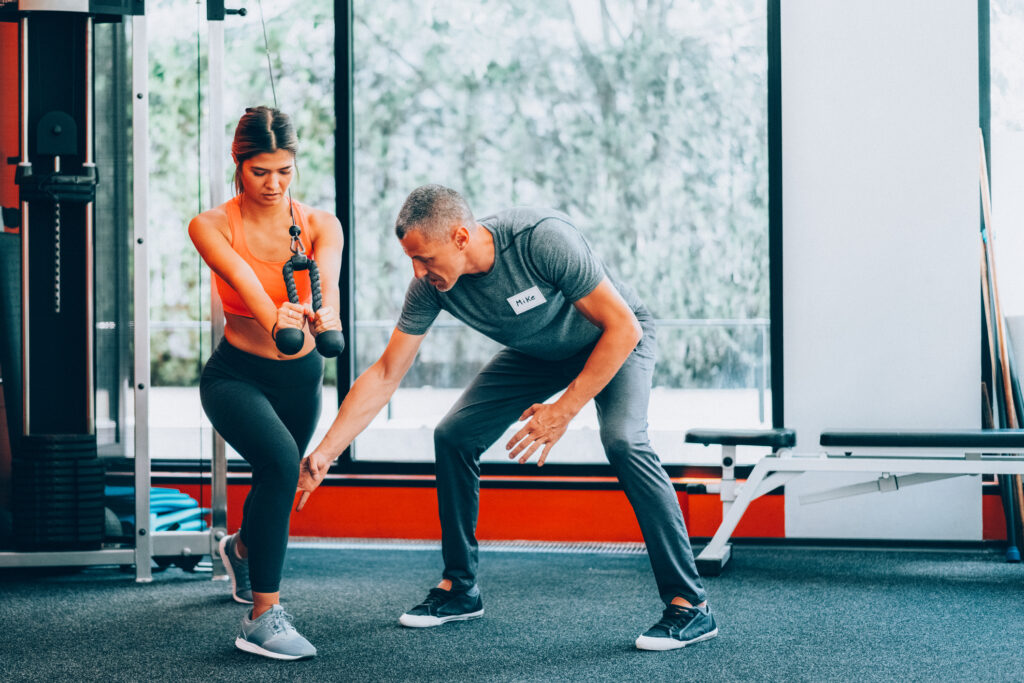
Seven years ago I got my first job out of college as an exercise therapist at a local hospital, where I worked in the rehab department. I taught aquatic exercise classes and land-based classes for different types of people — older people, people with heart problems, those who had neurological conditions and so forth. It […]
Physical Activity Reduces Risk of Osteoarthritis for Those with Obesity
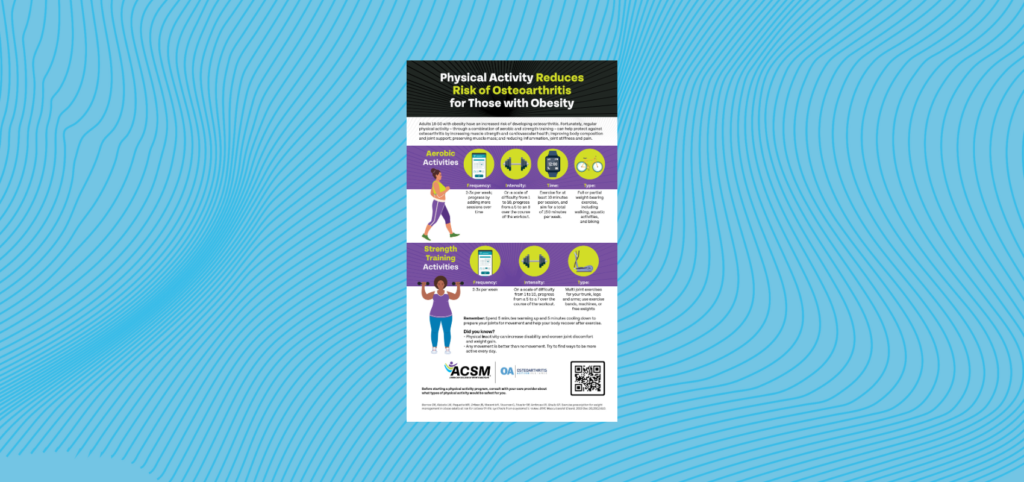
Regular physical activity can help protect against osteoarthritis by increasing muscle strength and cardiovascular health; improving body composition and joint support; preserving muscle mass; and reducing inflammation, joint stiffness and pain.
Bring the ACSM Annual Meeting into Your Classroom

As educators, we endeavor to facilitate meaningful classroom learning experiences. A perennial topic of discussion among educators within ACSM is this: How can we engage our students in ways that will drive connection, deepen their knowledge and align with the things that matter to them? Incorporating scientific and professional development content from the ACSM Annual […]
San Diego Childhood Obesity Initiative Promotes Physical Activity in Underserved Communities
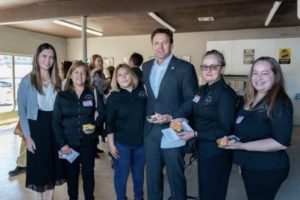
Learn about the Childhood Obesity Initiative’s efforts in San Diego County to enhance community collaboration and health outcomes.
Preparing Students for Success on the ACSM Exercise Physiologist Certification Exam

As a professor, I get a great sense of joy from seeing my students succeed: from seeing them do well on an exam, to graduating, finding that first job, getting into graduate school or passing a certification exam. Every year I hear stories from our graduates regarding how having the ACSM Exercise Physiologist (ACSM-EP) certification […]
Running for Two: Pregnancy, Training and Return to Performance for Elite to World-Class Runners
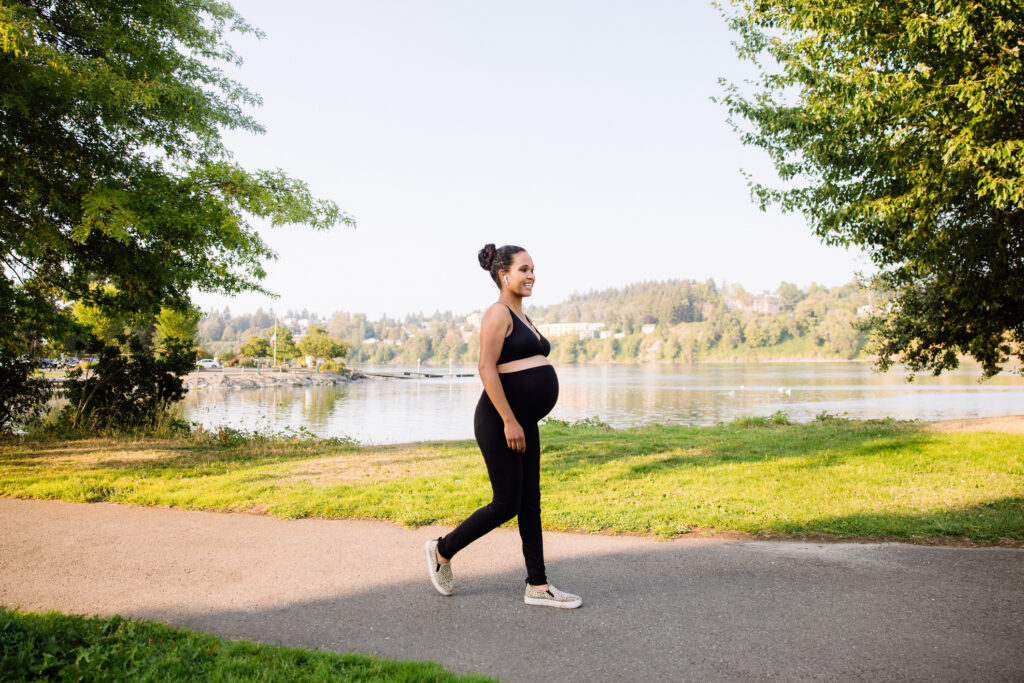
There are a variety of resources that exist to advise individuals on best practices for exercising throughout pregnancy. International evidence-based health guidelines typically recommend at least 150 minutes/week of moderate-intensity physical activity in those without contraindications during pregnancy. While these recommendations guide physical activity during pregnancy in the general population, they are not developed — […]
Waste No Time: A standardized approach to the collapsed athlete
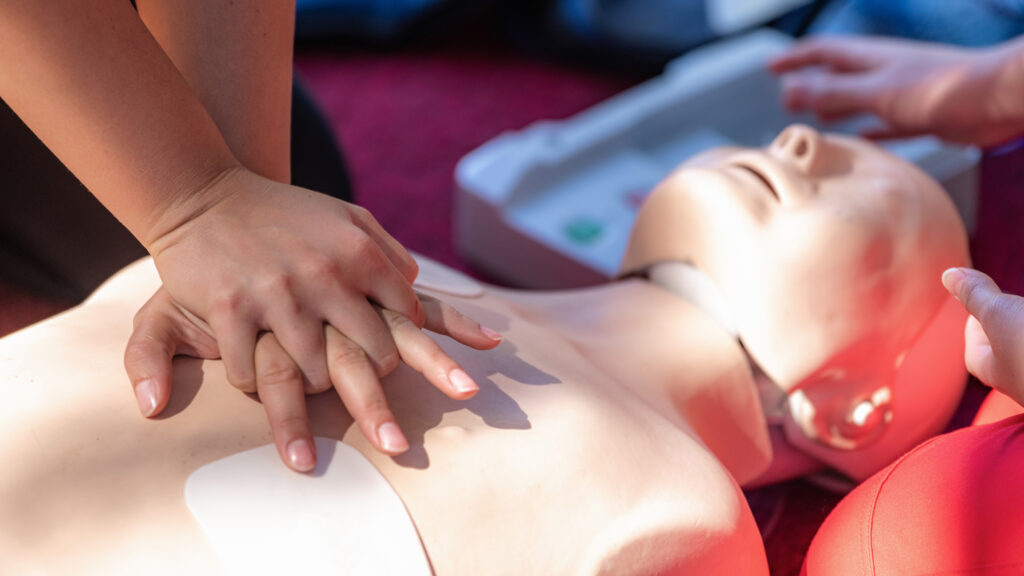
As emergency medicine and sports medicine physicians, we have advocated for all sideline providers to not just be basic life support (BLS) certified but consistently prepare themselves mentally to manage the complex and emotionally charged scene of the collapsed athlete. All sports medicine providers and sideline personnel should reflect on the event that unfolded on […]
How to Create Fitness Resolutions that will Actually Stick
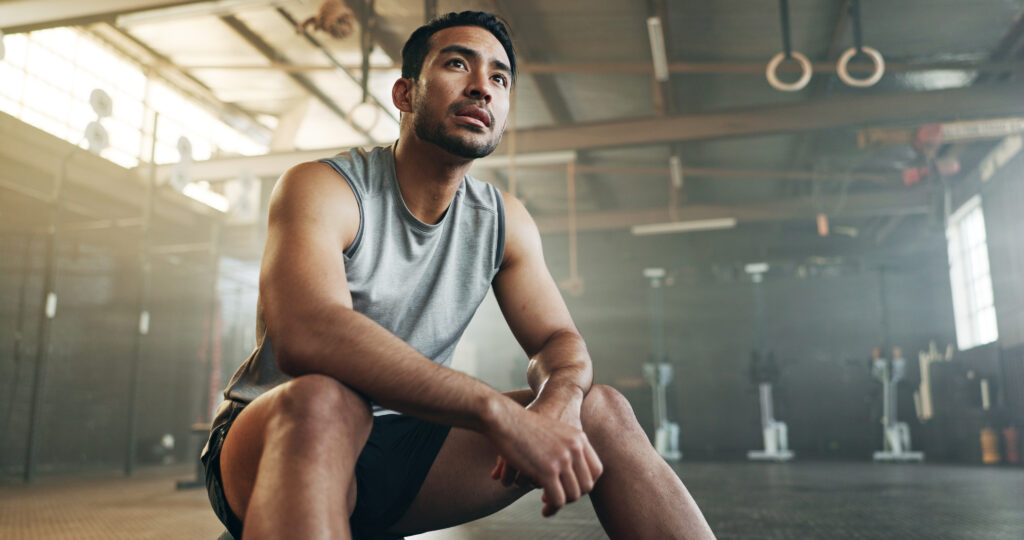
A staggering number of highly-inspired people will choose to set lofty goals come January 1, despite the universal knowledge that resolutions aren’t easy to stick to. We need all the help we can get. One trick? Framing and stating goals a particular way. Here are six examples of resolutions that can lead to real athletic […]
Staying Ready: A Real-World AED Response
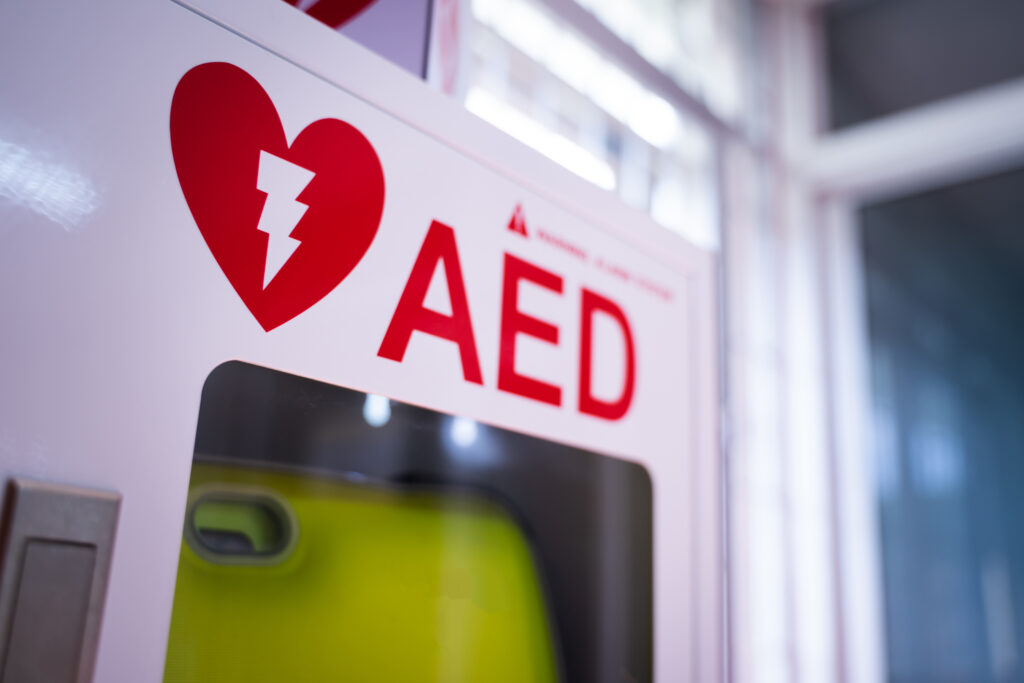
You never know when you’ll need to use your emergency training. That’s what ACSM member and Noblesville, Indiana, Orangetheory Fitness Head Coach Tony Maloney was reminded of in late October when a patron visiting from out of state collapsed suddenly in a mid-morning strength class. Maloney had just finished the five-minute warm-up and started the […]