
Nutrition Guide for Senior Athletes

Why Nutrition Needs Change With Age Macronutrients are the nutrients that provide the body with energy: protein, carbohydrate and fat. Getting the right amounts supports training, recovery and muscle health. The table below shows the daily recommended amounts of each for active older adults. Macronutrients Nutrient Daily Recommended Amount Notes Protein 1.0 to 1.2 g/kg […]
New Exercise Guidelines for Older Cancer Survivors: Meeting the Needs of a Rapidly Growing Population

By 2040, most cancer survivors in the U.S. will be over the age of 65. Many will survive for five or more years, which means that they will be living with the combined threats of aging and cancer well past their initial diagnosis. Cancer and its treatments can accelerate typical aging, hastening the decline toward […]
Active Voice | Rethinking Cardiac Aging: Resistance Training is More Than a Muscle Intervention

For decades, we have told our patients, students, and colleagues that aerobic exercise is the cornerstone of cardiovascular health. Walking, running, cycling, and other endurance-based activities have long been viewed as the primary exercise strategies for protecting the aging heart. Resistance training, meanwhile, has largely been prescribed for different reasons—to increase muscle mass, improve strength, […]
Being Active as We Get Older | Rx for Health
Our golden years can be powerful years. The older you are, the more you can benefit from physical activity. Experts now say that any physical activity counts toward better health – even just a few minutes!
Active Voice | Exercise Improves Cerebrovascular Function in Older Adults with Mild Cognitive Impairment

Over the past decade, we have recognized that brain changes do not begin when cognitive symptoms appear. In Alzheimer’s disease (AD) and related dementias, the underlying pathophysiological processes may develop silently over many years, and cerebrovascular dysfunction is likely to be one of the earliest abnormalities. This perspective shaped a primary question of our recent […]
Being Active During the Perimenopausal Years | Rx for Health
Regular physical activity improves heart health, mood, and sleep, and may aid in reduction of hot flashes, suggesting that exercise may be a good alternative or companion to medication.
Being Active When You Have Osteoarthritis | Rx for Health
If you are one of the millions of people who have
osteoarthritis (OA), being active is an important way to decrease the pain and stiffness that are hallmarks of arthritis.
Being Active with Alzheimer’s Disease | Rx for Health
Being active can help people with Alzheimer’s disease and related dementia (ADRD) feel better, move better and sleep
better. Experts now say that any physical activity counts toward better health — even just a few minutes!
Active Voice | Midlife Physical Activity and Heart Failure Prevention
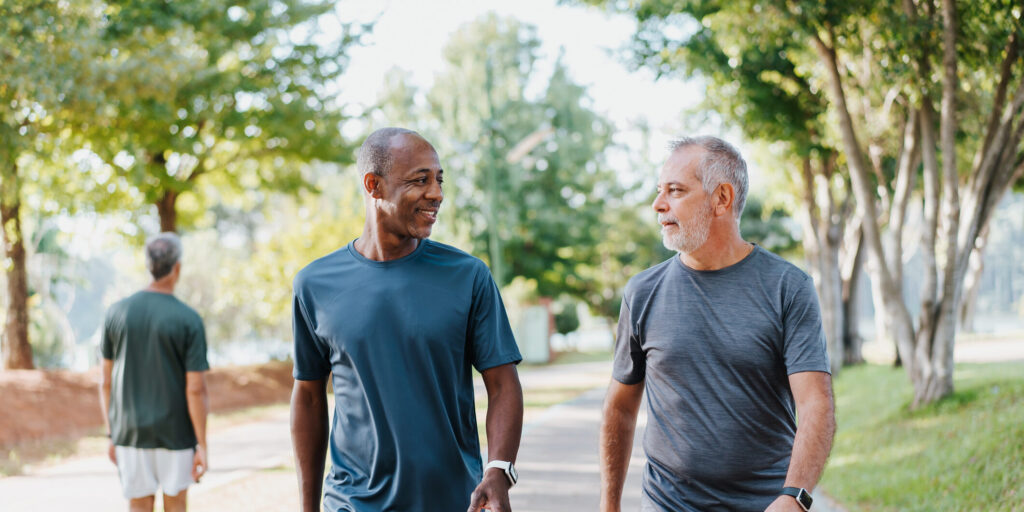
Heart failure does not develop overnight. Rather, it is a disease that can progress over several decades; long before symptoms are apparent to the individual or their physician. During later, clinical stages of heart failure, it can be very difficult for the individual to be physically active at any level. While clinical heart failure is […]
Beyond Diagnosis: How Exercise Professionals Can Redefine Parkinson’s Care
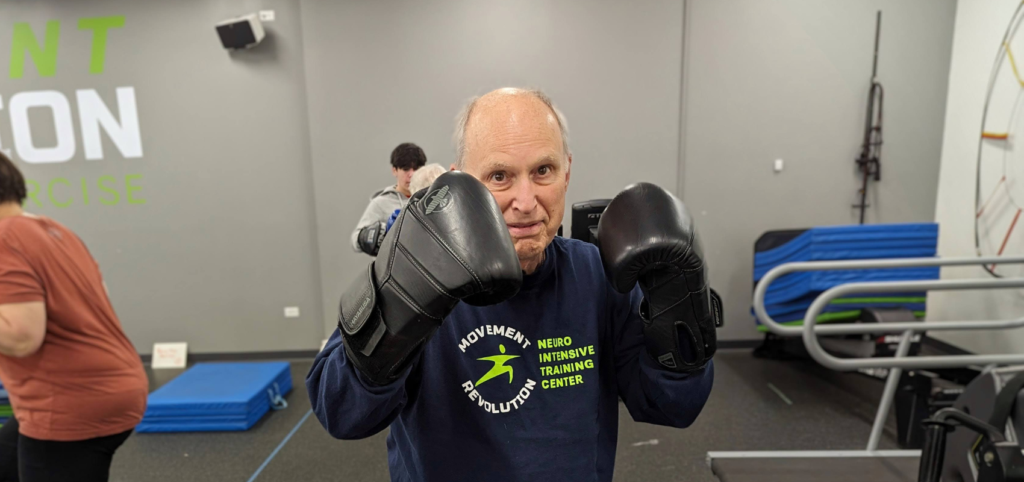
Explore the role of exercise professionals in providing essential movement direction for those diagnosed with Parkinson’s disease.