
The first International Consensus Statement on Concussion in Sport was published in 2002. Among its recommendations was the guideline that athletes should have complete rest until asymptomatic, preventing athletes from playing while still recovering. Some clinicians also encouraged no screen viewing or social interaction. This rest approach was largely based on several animal research studies and various consensus publications at the time.
By 2010, researchers began exploring the potential benefits of using rehabilitative exercise as a treatment for concussion symptoms. Early studies focused on low-intensity exercise that did not exacerbate symptoms, encouraging patients to engage in controlled physical activity. More recent research has investigated the effects of exercise that does mildly exacerbate symptoms during recovery. Investigators found that aerobic exercise improved recovery from sport-related concussion (SRC) in adolescents compared to a placebo stretching intervention. Their study also suggested that exercise could reduce the likelihood of persisting symptoms after concussion — an important finding, as prolonged symptoms can negatively impact adolescents’ academic performance and social engagement.
Additional studies now indicate that there is no harm in using exercise at low levels during SRC recovery, and it could be an effective method of treating patients with persisting symptoms. Of critical importance, this exercise should be either self-selected moderate levels of physical activity or prescribed aerobic exercise at levels that only mildly exacerbate symptoms. While research now shows that exercise benefits recovery and preventing persisting SRC symptoms, the underlying mechanisms have not been thoroughly examined.
Two recent consensus statements review the current literature and provide updated recommendations:
- Consensus statement on concussion in sport: the 6th International Conference on Concussion in Sport — Amsterdam, October 2022. Conclusions: Following an initial period of relative rest (approximately 24-48 hours) where daily activities (e.g., walking) do not exacerbate symptoms, clinicians can implement early aerobic activity such as walking or stationary cycling while minimizing any risks of contact or reinjury. This should either cause no furthering of symptoms or only mild exacerbations lasting less than an hour after physical activity. Patients can then continue or gradually increase aerobic exercise over time, and light strength training may also be introduced. If the patient continues to progress, sport-specific training away from the team environment may be introduced (e.g., running, change of direction and/or individual training drills), followed by exercise to high intensity, including more challenging training drills (e.g., passing drills, multiplayer training). No contact activities should be allowed at that time during the rehabilitation process. Of importance is to monitor the athlete’s response to aerobic and strength training activities to maximize improvements and recovery and not push patients into more severe symptoms. (See the Sport Concussion Office Assessment Tool 6, i.e., “SCOAT6.”)
- Consensus Statement: An evidence-based review of exercise, rehabilitation, rest, and return to activity protocols for the treatment of concussion and mild traumatic brain injury. Conclusions: There is limited high-quality evidence regarding the value of many exercise and rest interventions in concussion recovery (both sports related and otherwise). Specific recommendations were provided for the adolescent athlete population. In particular, the authors concurred on the appropriateness of exercise as an intervention for adolescent athletes with acute concussion, with the caveat that the current evidence is not representative of all age groups. Strict rest has a detrimental effect on recovery, as does high-intensity physical activity.
These findings point away from the traditional rest approach; the current evidence now suggests that early exercise, even with mild symptom exacerbation, improves concussion recovery and delays the development of persisting symptoms. Future research should focus on understanding the underlying physiological mechanisms influenced by exercise after a concussion diagnosis, particularly those related to cardiovascular function, autonomic regulation and cerebral blood flow. Additionally, examining the application of the FITT principles — frequency, intensity, time and type — will be essential for developing evidence-based exercise prescriptions that optimize concussion recovery and reduce the risk of persisting symptoms. For clinicians, it is critical to stay informed about the evolving guidelines that support a controlled return to physical activity during concussion recovery. Exercise should be prescribed at a level that may mildly exacerbate symptoms without disrupting the natural healing process, allowing for a more individualized and effective approach to patient care.
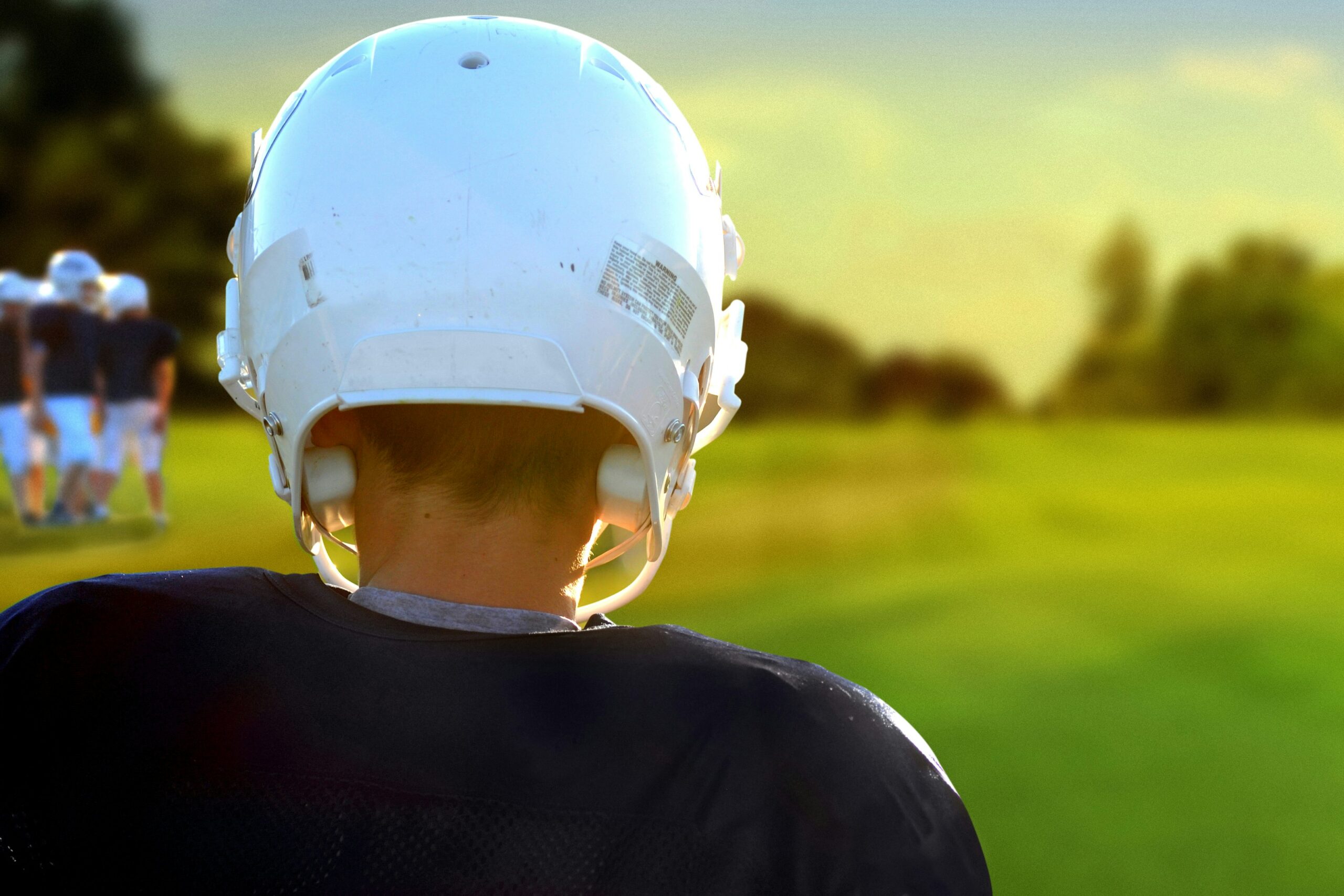
Banner image courtesy of Ben Hershey via Unsplash.
About the Authors

Kasee Hildenbrand, PhD, is an associate professor of athletic training at Washington State University. She serves as the program director and has done past research on concussions in the areas of education, impact sensors and neck strength. Dr. Hildenbrand also currently serves on the board of directors for the National Athletic Training Association and is chair of the Athletic Training Advisory Committee through the Washington State Department of Health.
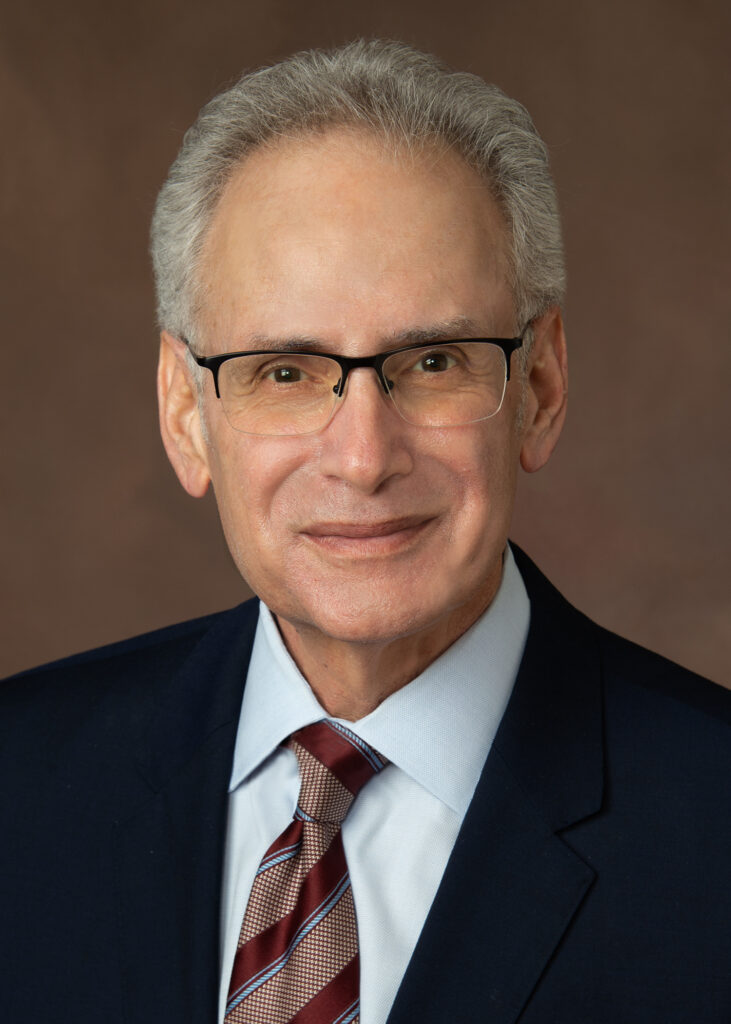
Stanley A. Herring, MD, FASCM,is a board-certified physical medicine and rehabilitation physician. He is a clinical professor in the Departments of Rehabilitation Medicine, Orthopaedics and Sports Medicine, and Neurological Surgery at the University of Washington. Dr. Herring holds the Zachary Lystedt Sports Concussion Endowed Chair and is the 2025 ACSM Honor Award recipient.