E

About Exercise is Medicine®

A Global Health Initiative

Exercise Is Medicine® (EIM) is a global health initiative led by the American College of Sports Medicine® (ACSM) that advances physical activity as a standard part of health care. 

Launched in 2007, EIM encourages health care providers to assess and address physical activity at every patient visit and connect individuals to evidence-based resources that support active, healthy lifestyles. 

EIM is grounded in a simple belief: physical activity is essential to optimal health and plays a vital role in preventing and treating many chronic conditions.

Divider line green, blue, black

Key Focus Areas 

  • Health Care Providers Physical Activity: A Standard in Health Care
  • Exercise Professionals An Integral Role: An Extension of Health Care
  • EIM On Campus® Engaging Campuses in Physical Activity | A network of 250+ colleges and universities worldwide
  • EIM Credential Recognizes exercise professionals who are prepared to work with individuals with chronic conditions and collaborate with health care providers to support patient outcomes.
  • Signature Initiatives Including Active Aging and Moving Through Cancer, which address the unique needs of specific populations through targeted physical activity programming
  • Connecting Health Care and Community Resources
  • Policy, Advocacy and System Integration
  • Research and Global Collaboration  

EIM Governance Board

The EIM Governance Board serves as the decision-making body of Exercise is Medicine® (EIM), providing oversight and strategic direction for program priorities, partnerships, structure and subcommittees.

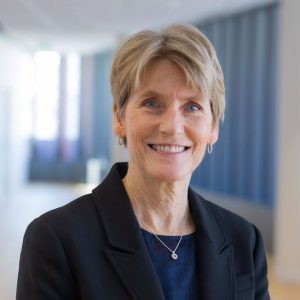
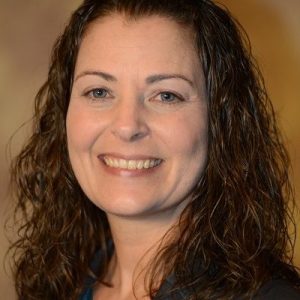
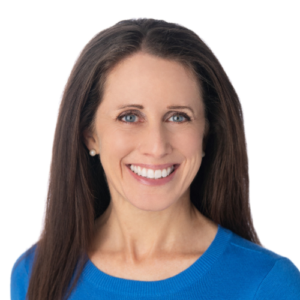
Liz Joy

Elizabeth Joy, MD, MPH, FACSM
Chair

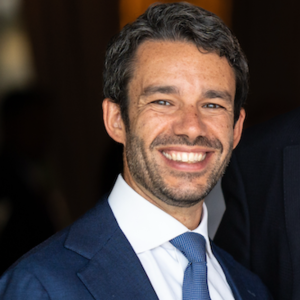
Paolo Adami

Paolo Emilio Adami, PhD, MD, FACSM

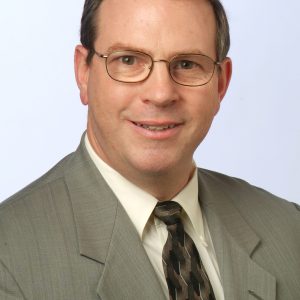
Robert Boone, MHA

Robert Boone, MHA

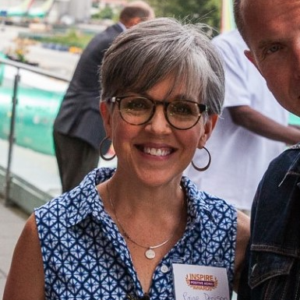
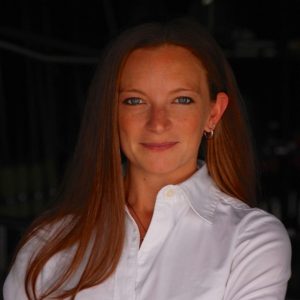
Paige Denison

Paige Denison, BS

Elizabeth Fallon

Elizabeth Fallon

Jonathon Fowles, PhD

Jonathon R. Fowles, PhD

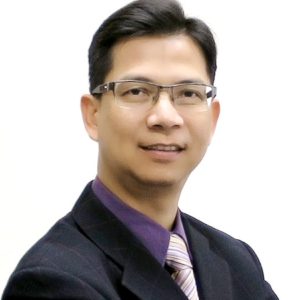
Stanley Hui, EdD

Stanley Hui, EdD

Joseph Ihm, MD, FACSM

Carrie Jaworski

Carrie A. Jaworski, MD, FACSM

Rachele Pojednic

Rachele Pojednic, PhD, FACSM

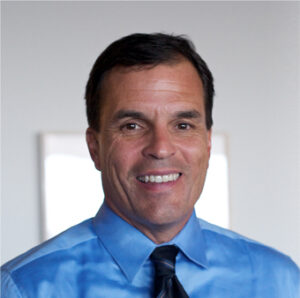
Robert Sallis, MD, FACSM

EIM Committees

EIM has five acting committees comprised of multi-disciplinary leaders working to spread the EIM vision locally, nationally, and internationally: 

The Exercise is Medicine® (EIM) Clinical Practice Committee seeks to identify strategies and resources to integrate physical activity assessment and promotion in health care settings. This includes developing and advancing a quality measure for physical activity assessment for 18-64-year-old adults; identifying and creating relevant content and materials for health care providers and their patients; developing, implementing and evaluating partnerships relevant to physical activity assessment and promotion in the clinical setting; identifying meaningful outcomes and metrics for health care providers and patients; and partnering with other EIM committees to develop physical activity assessment tools for special populations. The Committee will include working groups responsible for specific functions.

Eligibility

The EIM Clinical Practice Committee is comprised of multi-disciplinary experts from the fields of medicine, allied health, exercise science, public health and physical activity who have a vested interest in integrating physical activity assessment and promotion in health care settings as well as furthering the mission of Exercise is Medicine. Committee members include clinicians and exercise scientists who are familiar with the health care environment and can provide counsel regarding the integration of physical activity assessment and promotion into routine clinical care.  Appointments will be made based on the expertise and experience needed to carry out special projects and tasks to be performed by the EIM Clinical Practice Committee.

The Exercise is Medicine® On Campus (EIM-OC) Committee identifies strategies to advance EIM within university and college communities around the world, encouraging campuses to promote physical activity as a vital sign of student and employee health. This includes identifying opportunities to introduce EIM principles and the EIM-OC initiative to new campuses; developing ways to share successful strategies and programs across campuses; and developing content and tools to engage campuses and change the culture of chronic disease prevention and management campus-wide.

Eligibility

The EIM-OC Committee is comprised of multi-disciplinary experts from the fields of exercise science, medicine, allied health, physical activity and public health who have a vested interest in improving the health of campus communities and furthering the mission of Exercise is Medicine. Appointments will be made based on the expertise and experience needed to carry out any special projects and tasks to be performed by the EIM-OC Committee.

The EIM Older Adults Committee seeks to identify strategies and resources to integrate physical activity (PA) assessment and promotion in health care and community settings with older adult populations. This includes identifying and creating relevant content and materials for health care providers and their patients; developing educational trainings for providers working with older adults; advancing screening tools to ensure safety during exercise training; partnering with other EIM committees to develop physical activity assessment tools for special populations promoting the use of evidence-based interventions in both health care and community settings; identifying meaningful outcomes and metrics for health care providers and older adult patients; and establishing meaningful relationships with other professional organizations seeking to promote health and wellness in older adult populations. The committee consists of several working groups advancing these specific activities.

Eligibility

This committee is comprised of multi-disciplinary experts from medicine, allied health, exercise science, public health and physical activity who have a vested interest in integrating PA assessment and promotion in health care settings for older adults. Committee members include clinicians, who are familiar with the health care environment and can provide counsel regarding the integration of physical activity assessment and promotion into routine clinical care, as well as exercise scientist and professionals who can provide expert guidance on appropriate evidence-based physical activity programs and strategies for older adults. Appointments are based on the expertise and experience needed to carry out special projects and tasks to be performed by the EIM Older Adults Committee.

The EIM Pediatric Committee seeks to identify strategies and resources to integrate physical activity assessment and promotion in health care and community settings with pediatric-aged populations. This includes identifying and creating relevant content and materials for health care providers and the families they work with; developing educational trainings for providers working with pediatric populations; advancing physical activity assessment tools for pediatric populations in the clinic setting; promoting the use of evidence-based physical activity interventions in both health care and community settings; identifying meaningful outcomes and metrics for health care providers, pediatric patients and their families; and establishing meaningful relationships with other professional organizations seeking to promote health and wellness in pediatric populations. The committee consists of several working groups responsible for working on these specific activities.

Eligibility

The EIM Pediatric Committee is comprised of multi-disciplinary experts from the fields of medicine, allied health, exercise science, public health and physical activity who have a vested interest in integrating physical activity assessment and promotion in pediatric health care settings. Committee members include clinicians, who are familiar with the health care environment and can provide counsel regarding the integration of physical activity assessment and promotion into routine clinical care, as well as exercise scientists and professionals who provide expert guidance on appropriate evidence-based physical activity programs and strategies for children and adolescents. Appointments will be made based on the expertise and experience needed to carry out special projects and tasks to be performed by the EIM Pediatric Committee.

The EIM Underserved & Community Health Committee seeks to identify strategies and resources to integrate physical activity assessment and promotion into health care settings that serve underserved populations and to connect these individuals with community resources to help them become more physically active. This includes identifying and creating relevant content and materials for health care providers and their patients; developing strategies and tools to link patients to community resources; providing guidance to community leaders on assembling a local network of physical activity resources; promoting the use of culturally adapted, evidence-based interventions in both health care and community settings; and establishing meaningful relationships with other professional organizations seeking to promote health and wellness in underserved communities. The Committee consists of several working groups responsible for working on these specific activities.

Eligibility 

The EIM Underserved & Community Health Committee is comprised of multi-disciplinary experts from the fields of medicine, allied health, exercise science, public health and physical activity who have a vested interest in promoting physical activity in diverse, underserved communities. Committee members include clinicians, who are familiar with health care settings that serve underserved communities, as well as exercise scientists and professionals that provide expert guidance on culturally adapting evidence-based physical activity interventions in community settings. Committee appointments are based on the expertise needed to carry out special projects and tasks to be performed by the EIM Underserved & Community Health Committee.

Divider line green, blue, black

Support for the Exercise is Medicine® Initiative is provided by:

GSSI Pre-Conference

The Physiology of Hydration: More Than Water Alone

This session explores the physiology of hydration through an integrated lens—examining how carbohydrate, sodium, flavor, and fluid interact to influence intake, absorption, retention, and performance. We’ll review current research on fluid balance, osmotic drivers, and palatability, highlighting mechanisms that underpin voluntary intake and thermoregulation. Attendees will gain insight into individualized strategies, including sweat profiling and timing approaches, to optimize euhydration and mitigate performance decrements associated with >2% body-mass loss. Practical applications will be linked to laboratory- and field-based research, ensuring translation from bench to field. This pre-conference equips you with evidence-based tools to support athlete hydration across diverse environments and sporting contexts. 

Divider line green, blue, black
  • Session 1: Sweating the detail: New insights on hydration considerations for athlete performance
    • Lewis James, PhD, Associate Professor in Human Nutrition in the School of Sport, Exercise and Health Sciences at Loughborough University
  • Session 2: Functional ingredients in fluid replacement beverages for athletes
    • Lindsay Baker, PhD, Director at the Gatorade Sports Science Institute
  • Session 3: The hydration toolkit: Practical approaches to athlete support
    • Floris Wardenaar, PhD, Associate Professor at the College of Health Solutions at Arizona State University