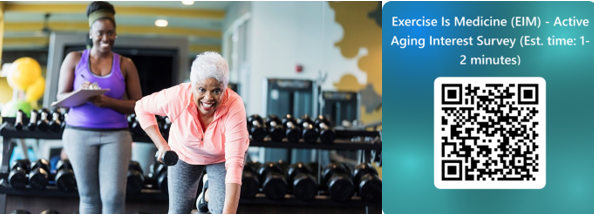
As the population ages, the need for targeted health interventions becomes increasingly urgent. According to the U.S. Census Bureau, 4.4 million Americans will turn 65 in 2025 – an astonishing 12,000 people daily. By 2030, all baby boomers, those born between 1946 and 1964, will have reached this milestone. This demographic shift underscores the importance of addressing the unique health and wellness needs of older adults.
The Purpose of EIM Active Aging
EIM Active Aging aligns with the American College of Sports Medicine (ACSM) in its mission to integrate physical activity into routine healthcare, bridging the gap between older adults and evidence-based exercise programs led by qualified professionals. By prioritizing Active Aging, ACSM is taking a leadership role in meeting the growing demand for education, programs, and policies that improve older adult health.
Over the next two to three years, EIM Active Aging will serve as a key strategic priority. This initiative will unite ACSM and EIM resources, funding partners, and member groups from clinical medicine to public health, while forging collaborations with organizations in the U.S. and worldwide.
Goals and Strategic Themes
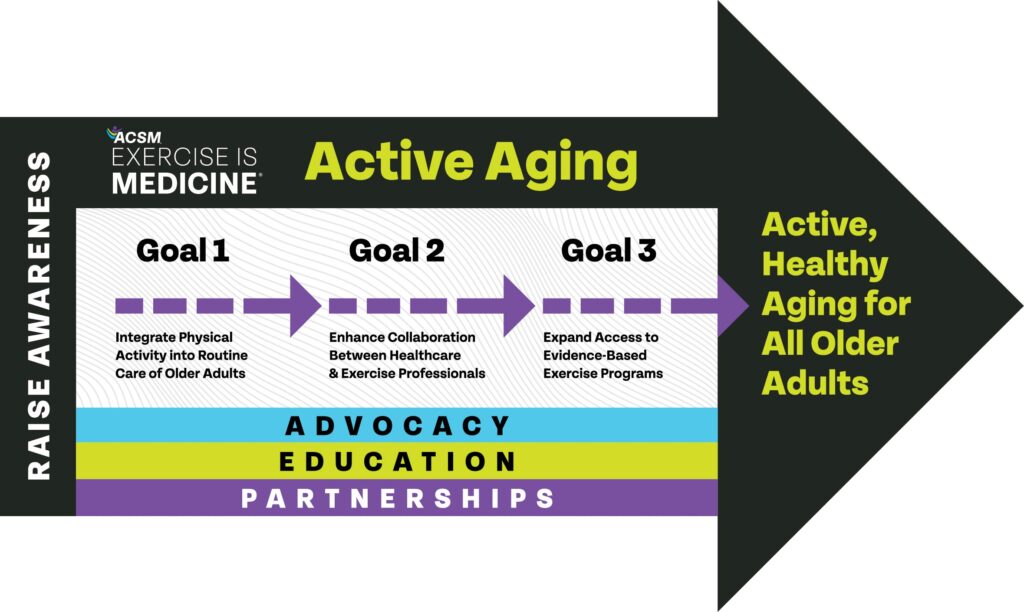
EIM Active Aging is built around three primary concurrent goals:
- Integrating physical activity into older adults’ routine care
- Enhancing collaboration between healthcare providers and exercise professionals
- Expanding access to evidence-based exercise opportunities
Each of these goals is reinforced by three cross-cutting themes, research, education, and partnerships—to ensure a well-rounded and sustainable approach to Active Aging.
Leadership and Key Contributors
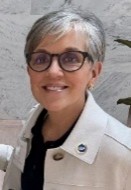
Paige Denison, an ACSM EIM Governance Board member, leads the EIM Active Aging initiative. A seasoned expert in aging and physical activity, Paige directs health and wellness projects at Sound Generations, overseeing the dissemination of EnhanceFitness and EnhanceWellness programs nationwide.
Supporting Paige are ACSM member leaders including:
- Liz Joy, MD, MPH, FACSM, Chair of the EIM Governance Board
- Mariana Wingood, PhD, DPT, MPH, Chair of the EIM Older Adults Sub-Committee
- Ayland Letsinger, PhD, Chair of ACSM Strategic Health Initiatives on Aging
- Amal Wanigatunga, PhD, MPH, FACSM, Chair of ACSM Aging Special Interest Group
Additional ACSM units, including marketing, education, public communications, and certification will provide crucial support in implementing this initiative.
Planning and Implementation: From Strategy to Action
In February 2025, ACSM convened a virtual planning meeting with key stakeholders to map out EIM Active Aging’s objectives. Monthly follow-up sessions refined the initiative’s strategies, leading to its official launch at the Morris-Paffenbarger-Blair EIM Keynote during ACSM’s Annual Meeting in Atlanta. The next phase involves assembling working groups to put these strategies into action, ensuring meaningful progress.
Bringing Science to Practice
One of EIM Active Aging’s most exciting aspects is its focus on applying scientific research to real-world settings. Key priorities include:
- Educating healthcare providers and exercise professionals to better serve older adults
- Expanding the evidence base for integrating physical activity into healthcare
- Developing new resources tailored to professionals working with aging populations
- Partnering with the Physical Activity Alliance in bringing together national agencies [Centers for Medicare & Medicaid Services (CMS), National Committee for Quality Assurance (NCQA) on Healthcare Effectiveness Data and Information Set (HEDIS measures] to expand physical activity coverage in insurance plans
Conclusion: A Call to Action for Aging Populations
EIM Active Aging presents ACSM with a unique opportunity to take decisive action in promoting physical activity as an essential part of healthcare. By leading a robust, evidence-based initiative, EIM aims to enhance older adults’ health outcomes, maintain independence, and strengthen communities. This initiative also provides ACSM members with a chance to address one of the world’s most pressing health challenges while reinforcing ACSM’s role as a leader in helping shape policy, expanding awareness, and advancing physical activity promotion in healthcare settings for older adult populations.