On Oct, 17, the University of Arkansas (UofA) hosted an evening symposium as part of the College of Education and Health Professions’ WE CARE Speaker Series. This event was meant to raise awareness about the Exercise is Medicine® (EIM) initiative and inspire current health and exercise science students and faculty, campus partners within the health care and wellness sectors, and EIM-OC campuses worldwide. This event included two renowned keynote speakers and a discussion panel, which can be viewed here or below this article. Below is a recap of the event and the main discussion points.
Barry A. Franklin, PhD | Physical Activity and Cardiorespiratory Fitness as Modulators of Health Outcomes: How Much Exercise is Enough?
Dr. Franklin is the director of Preventive Cardiology and Cardiac Rehabilitation at Corewell Health William Beaumont University Hospital. Throughout his career, Dr. Franklin has received numerous accolades for his research in cardiovascular health and exercise and served as the president of ACSM from 1999 to 2000.
Key Takeaways:
- Regular physical activity and cardiorespiratory fitness (CRF) attenuate the risk of mortality, chronic disease and other negative health implications.
- An exercise capacity of over 5 METs can induce substantial positive health benefits, like acute coronary syndrome survival, improved surgical outcomes and lowered health care costs.
- “The increasing integration of regular physical activity and improved cardiorespiratory fitness as medically prescribed interventions should produce unparalleled synchrony and synergies in favorably modifying health outcomes worldwide.”
Elizabeth A. Joy, MD, MPH, FACSM | Exercise is Medicine: Improving Physical Activity, Healthcare and Health
Dr. Joy is the Chief Medical Officer for Lore Health. At the University of Utah, she is an adjunct professor in the Department of Family and Preventive Medicine and an adjunct assistant professor in the Department of Nutrition and Integrative Physiology for the College of Health. Dr. Joy is committed to integrating physical activity and health care and is the current chair of the EIM Governance Board, as well as having served as the president of ACSM from 2016 to 2017.
Key Takeaways:
- “Regular physical activity helps people feel, move, function, and sleep better.” In addition to the physical health benefits, regular activity can improve feelings of anxiety, depression and loneliness.
- EIM began as an effort to include physical activity as a vital sign (PAVS) for the clinical workflow and has expanded to many other initiatives. In action, EIM in health care involves screening (via PAVS), a brief intervention (e.g., recommendations for action or counseling) and a referral to treatment considering insurance eligibility and patient accessibility.
- Helping individuals improve their activity and health is a multidisciplinary approach — “It takes a village of everyone rowing in the same direction.”
Discussion Panel | Insights and Opportunities for Exercise is Medicine at the University of Arkansas
To round out the symposium, J. Larry Durstine, PhD, a third past ACSM president, joined the speakers for the panel. Durstine is a distinguished professor emeritus for the Department of Exercise Science at the University of South Carolina. He directed several clinical exercise programs and was the president of ACSM from 2006 to 2007. Two UofA representatives also joined to contribute to the discussion. Becky Todd, MEd, is the associate vice chancellor for student well-being, with several years of experience working in university recreation programs. Debbie Deere, MD, is a staff physician at the UofA Pat Walker Health Center and is the medical director of the UofA Eating Disorder Treatment Team, focusing on weight-inclusive, non-diet, holistic treatment. With this wealth of knowledge, the panel tackled three main ideas: (1) benefits and barriers to EIM in the clinical setting, (2) opportunities for exercise and recreation professionals with EIM in the campus setting and (3) the future of EIM in university settings.
Key Takeaways:
The Benefits of EIM for Providers and Patients
- Prompting providers with PAVS makes it easier to assess and discuss physical activity with the patient, like how it is currently done with blood pressure.
- EIM shifts the focus to what the patient can do to improve how they feel, which may better motivate patients.
Barriers and Solutions to EIM Implementation
- Barrier: integrating PAVS and talking to patients about their physical activity.
- Solution: continuous advocacy for PAVS and education of physicians on how to discuss physical activity with patients efficiently.
- Barrier: costs associated with physical activity and referrals.
- Solution: finding partnerships or opportunities for the patient to participate in low- or no-cost activities may be needed until referral pathways are established.
Opportunities for Incorporating EIM with University Recreation and Campus Partners
- Collaborating with academic programs can support the development of future exercise professionals.
- Promoting no- or low-cost physical activity resources or programs for all campus members can increase accessibility.
- Capitalizing on stakeholder-valued data impacted by activity and health may better engage them.
- “You create better opportunities when you increase visibility” by partnering with larger organizations, like student clubs or local health care centers.
- The future of EIM and its impact:
- Initiating change in policies and environment to support physical activity. For example, type 2 diabetes mellitus is the highest driver for health care costs at the UofA. Thus, insurance rewards for physical activity efforts and having accessible resources could support individuals with or at risk for type 2 diabetes.
- Preparing physicians with available physical activity resources, like EIM-OC programs, for their patients.
What’s Next?
Attendees left the event with a wealth of new ideas for implementing EIM and how individuals from multiple disciplines can engage in the initiative. The discussions reinforced the importance of EIM and underscored the need for promoting physical activity in health care, fitness and university settings.
Thank You!
We extend our sincerest thanks to our speakers, panelists and attendees. Special thanks to the UofA College of Education and Health Promotion and WE CARE initiative; the Department of Health, Human Performance and Recreation; and the Exercise Science Research Center for making this event possible.
Additional Resources
About the Author
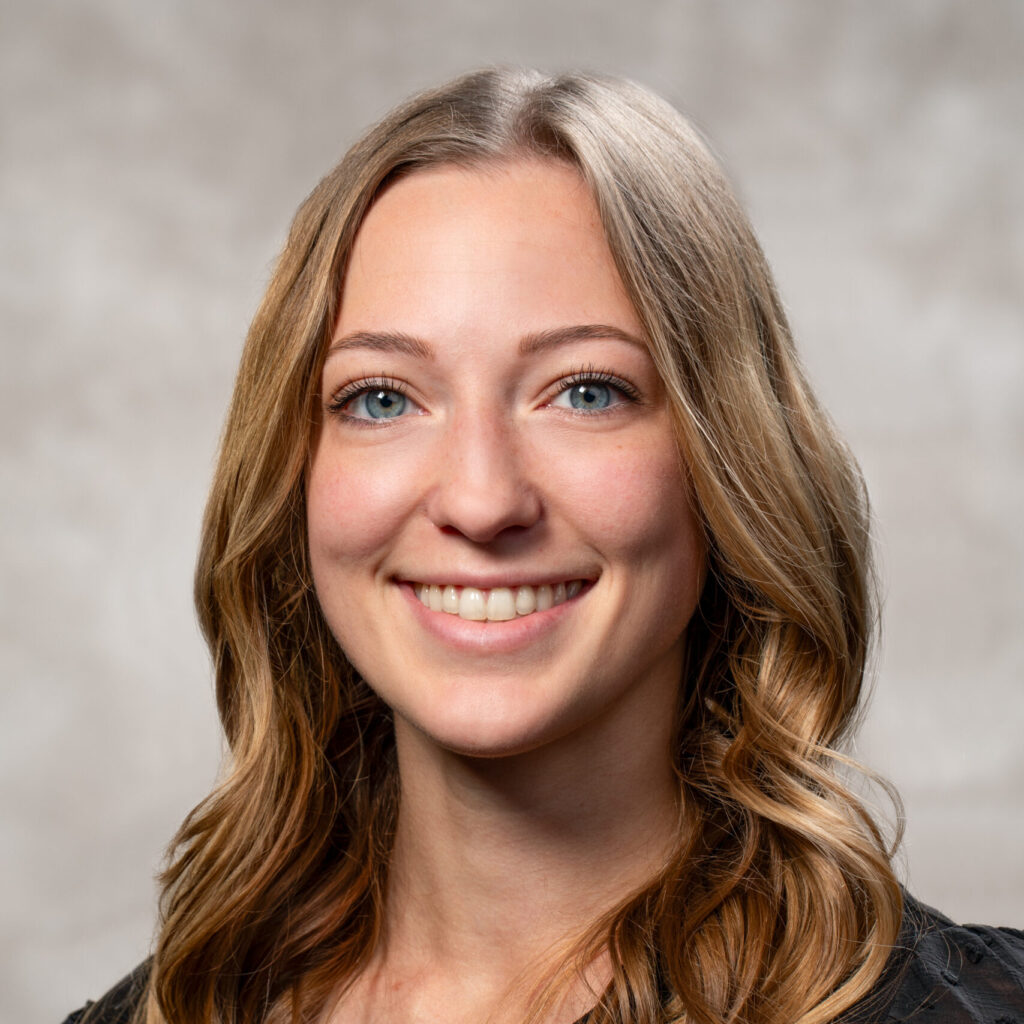
Kristin Jett is a PhD student in exercise science in the Department of Health, Human Performance and Recreation in the College of Education and Health Professions at the University of Arkansas. She also earned her Bachelor of Science in exercise science from the University of Arkansas and is an ACSM Certified Exercise Physiologist®.
Currently, she is the graduate assistant for the UofA Exercise Science Research Center and the graduate representative for the Exercise is Medicine-On Campus committee at ACSM. Her research interests are in workplace physical activity, including the feasibility, implementation and evaluation of strategies to increase physical activity for office workers. She also serves as the graduate student advisor for Exercise is Medicine® at the University of Arkansas to promote physical activity to all campus members and the local community.