What’s that you say? You can’t get access to your mascot, or perhaps, *gasp* you have no mascot. No problem! Our EIM-OC program at Brigham Young University experienced this roadblock. Access to our university mascot is closely guarded by his “handlers.” Even getting an appointment to meet with the mascot team has taken weeks to arrange (you owe me a phone call, Cosmo!)
The true essence of the Mascot Challenge is to share something recognizable and iconic and/or to showcase your team’s promotion of physical activity as a vital sign on campus. The audience for your submission is both your own community and the rest of the world. Consider this: What is your campus known for, or what do you want everyone to think of when they hear of your campus? Below I’ve outlined some options that should work for any campus that wants to participate.
Iconic Symbols
Common to some towns and universities in my state of Utah is having a large, cemented letter partway up the mountain. Brigham Young University has a large 380 feet/116 meter “Y” that is viewable from campus and for many miles in any direction in the valley.

When I was in grad school at the University of Virginia, we had the iconic “Rotunda” designed by third U.S. President Thomas Jefferson. Your campus likely has an iconic structure, building or other symbol. Consider making this a focal point of your video.

Site of EIM-OC Activities
Have you done EIM-OC activities on your campus in the past? Featuring the same sites of your EIM-OC club, exercise assessment and prescription labs, and/or health facilities is a great way to promote EIM-OC on your own campus while doing the Mascot Challenge. Be sure to promote your video across campus using email, newsletters, campus website, club social media pages, etc. (watch for more ideas in an upcoming blog).
Indoor and Outdoor Exercise Areas
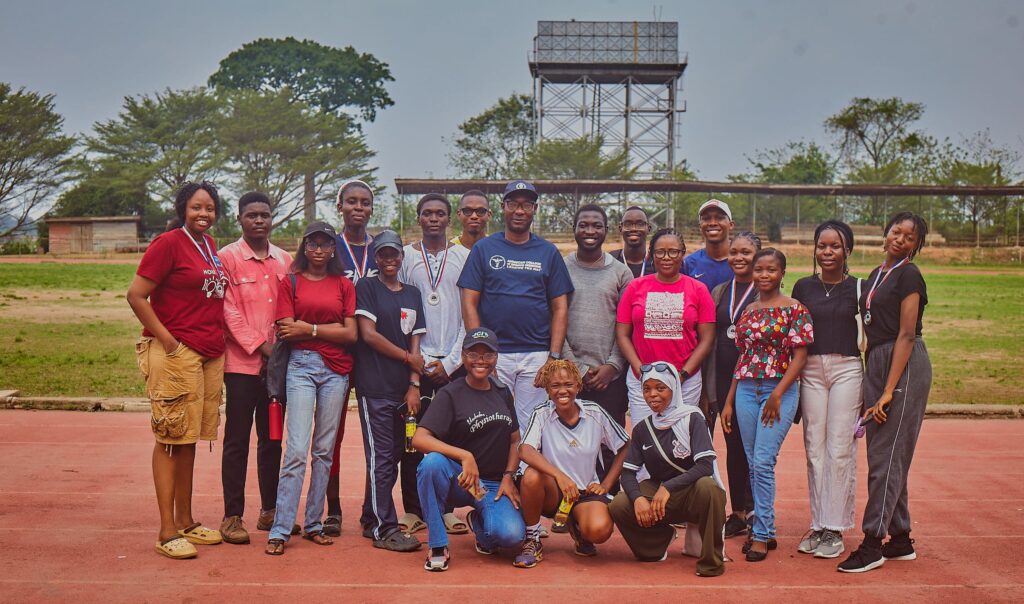
Does your campus have a gym, workout areas, track or other exercise facilities? Perhaps your campus has a trail, loop or other outdoor sites that are good for a pleasant walk. Using these areas to film your video will resonate with viewers and educate people on the resources available on your campus.
Keep It Simple
Above all, keep it simple! Start with what makes the most sense for your institution. You’ll find that each year your EIM-OC team is an active group on campus, more people will join and additional resources and opportunities will follow