
From Bench-top to Bedside: Is Exercise Truly a Cancer Medicine?
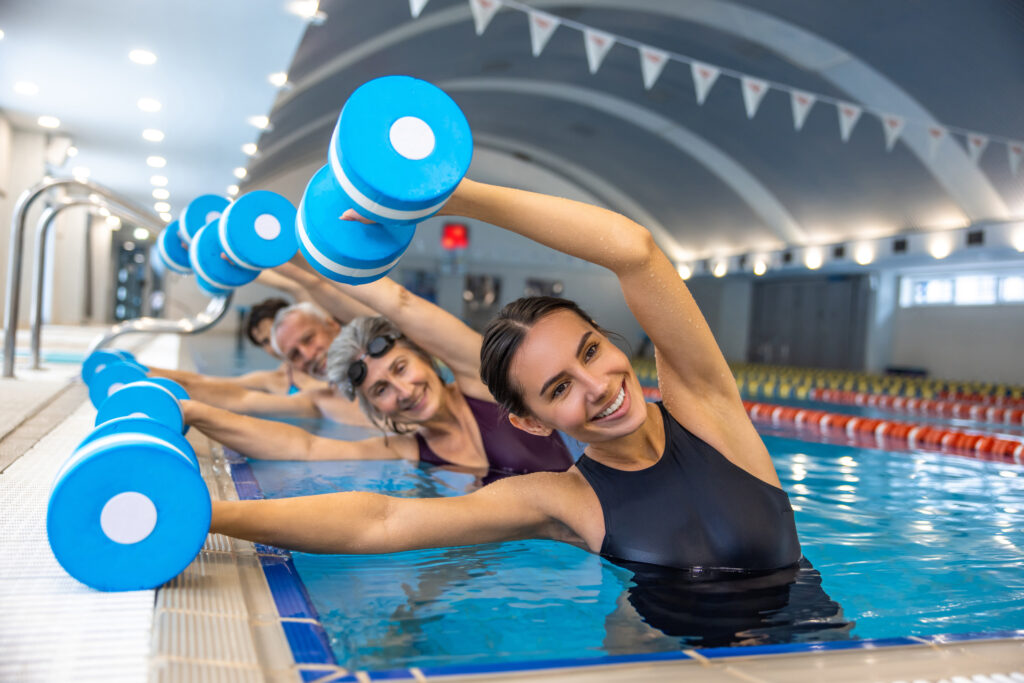
In 2009 our team published the Australian guidelines on exercise and physical activity for people with cancer emphasizing the imperative that clinicians should reject the rest strategy. Rather, patients should be physically active most days using a combination of aerobic and resistance training aiming to accumulate 75 to 150 minutes of moderate to vigorous exercise […]
One Number That Knows if You Are Active Enough
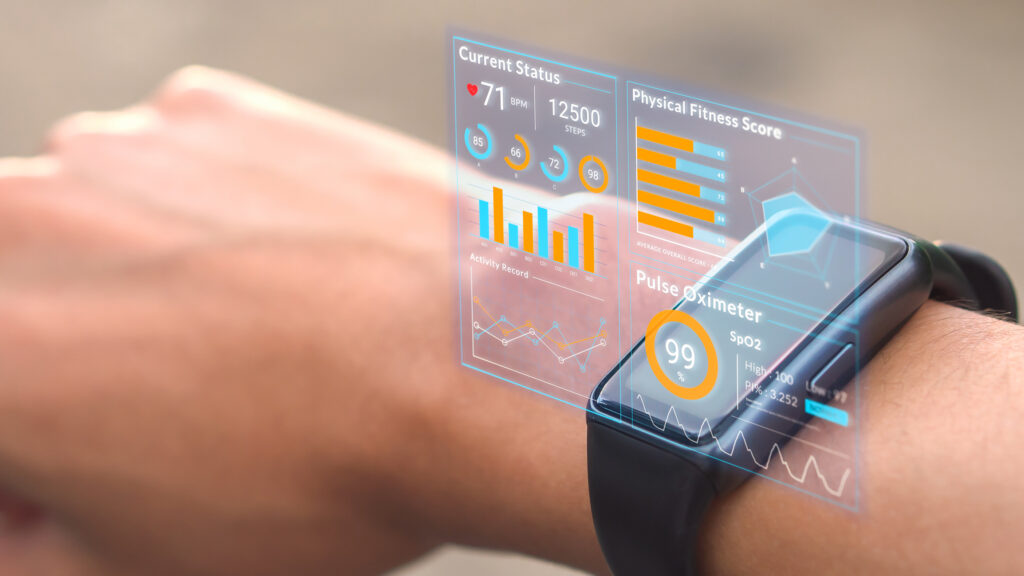
Personal Activity Intelligence (PAI) is a physical activity monitoring approach invented by researchers at the Norwegian University of Science and Technology around five years ago. It uses heart rate data (e.g., from a wrist-worn monitor) to provide the user with a single metric. This number reflects the amount and intensity of aerobic exercise a person […]
How Should Adult Handgrip Strength be Normalized for Body Size?

Muscle strength refers to the ability of the muscles to produce maximal force. One assessment method is to measure handgrip strength, which involves the maximal isometric force of the finger flexors using a handheld device. Handgrip strength is a convenient, reliable, valid and safe measure that is an important indicator of general health and sports […]
Exercise and Glucose Intolerance during Pregnancy: Exercise Dose and Timing Matter

Glucose metabolism during pregnancy plays a pivotal role in maternal and fetal health. Impaired glucose tolerance in pregnancy, such as gestational diabetes, is at the center of the “diabetes begetting diabetes” intergeneration vicious circle. It has been related to not only adverse obstetrics and perinatal outcomes, but also substantially increased risk of cardiometabolic disorders in […]
Diet Manipulation for Healthy Living: Importance of 16-Hour Fasting

Social media commonly offers a variety of healthy living solutions, presenting a perfect mix of speculation, firm belief, a bit of scientific evidence and personal experience. Nutrition tends to be a popular topic on social media. Often, a seemingly convincing case is made that encourages people that a dietary approach is miraculous. One such topic […]
Academic Program Accreditation: Setting Your Students Up for Success

What Exercise Science Programs Need to Know to Get Their Students ACSM Certified The thought of going through the academic program accreditation process may sound daunting—I get it. You wonder what good it will do or if/how it will affect you directly. Before you pass judgement, let’s go on a journey to learn more about […]
Anabolic-Androgenic Steroid Use in Sports, Health and Society | ACSM Consensus Statement

As we were writing ACSM’s consensus statement on “Anabolic-Androgenic Steroid Use in Sports, Health and Society,” one piece of information that stood out to me was that users of anabolic-androgenic steroids (AAS) spent an average of 268 hours researching AAS before initiating use! That is a LOT of homework, and there is no way that the vast majority of […]
The American College of Sports Medicine Statement on Mental Health Challenges for Athletes

The American College of Sports Medicine (ACSM) recognizes the importance of developing the whole athlete. To achieve peak performance, it is important to be equally attentive to both physical and mental health. Approximately one-in-five adults live with a mental health condition during their lifetime. While physical activity is excellent for brain health, sports participation is […]
Sports, Physical Activity and Sun Protection

Each year the U.S. spends over eight billion dollars treating skin disorders and cancers. Skin cancer is the most common cancer in the US, affecting around one in five Americans.1 Melanoma, the deadliest form of skin cancer has been on the rise for the last forty years even though we know one of the major causes […]
New Recommendations Steer Doctors Away from Opioids to Treat Pain in Adolescent Athletes
Experts urge team physicians, pediatricians to use nonpharmacologic treatment first Athletes at all levels and ages commonly experience pain during practice and in competition. Identifying and appropriately managing acute and chronic pain is fundamental for short- and long-term health. This is especially true for adolescent athletes in whom inadequate or inappropriate pain management can lead […]