
The Female Athlete Triad

Dr. Joy discusses the spectrum of lower energy availability, menstrual dysfunction, and low bone density that can affect young athletes.
Making the Connection: Youth Sports & Athletic Identity

Dr. Hunt and Roberts join the podcast to discuss the effect of athletic identity in youth and adolescent athletes.
Matching Child Centered Policies to Appropriate Development in Youth Sports

Dr. Rick Howard joins the podcast to discuss matching child-centered policies to age- and stage-appropriate development in youth sport.
Breathe Easier | Smoking Cessation Resources for Better Health

Updated November 2025 Only 20 minutes after your last cigarette, your heart rate and blood pressure begin to drop. Within a few days, the carbon monoxide level in your blood drops to a normal rate. After a few weeks your circulation and lung function improve, and after a year your risk of heart attack drops significantly. […]
Understanding Ages & Stages to Inform Developmentally Appropriate Youth Sports
Dr. Rick Howard joins the podcast to discuss developmentally appropriate youth sports informed by long-term athletic development.
Coaching Skills for Deep Empathy
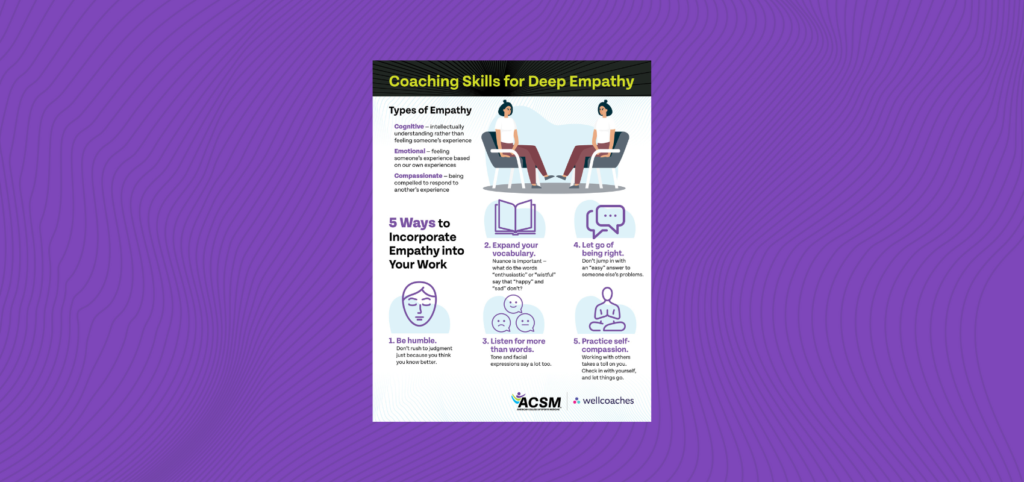
This infographic describes the three types of empathy and five ways to incorporate empathy into your work as a fitness professional, health coach, or medical practitioner.
The Impact of Adolescent Development on Fitness and Conditioning Age
Dr. Rick Howard joins the podcast to discuss the impact of adolescent development on fitness and conditioning age and stage.
The Built Environment and Physical Activity

It has been well-established that physical activity and/or exercise can help to reduce the risk of chronic diseases such as obesity, diabetes, cancer and cardiovascular disease. To reap these benefits, we only need to accumulate 150 minutes per week of physical activity1. That means that you can be physically active for as little as 10 […]
Youth Football Health and Safety

The premiere episode of the Healthy Youth Sports Podcast features Dr. Thayne Munce discussing youth football health and safety.
Working Across Generations
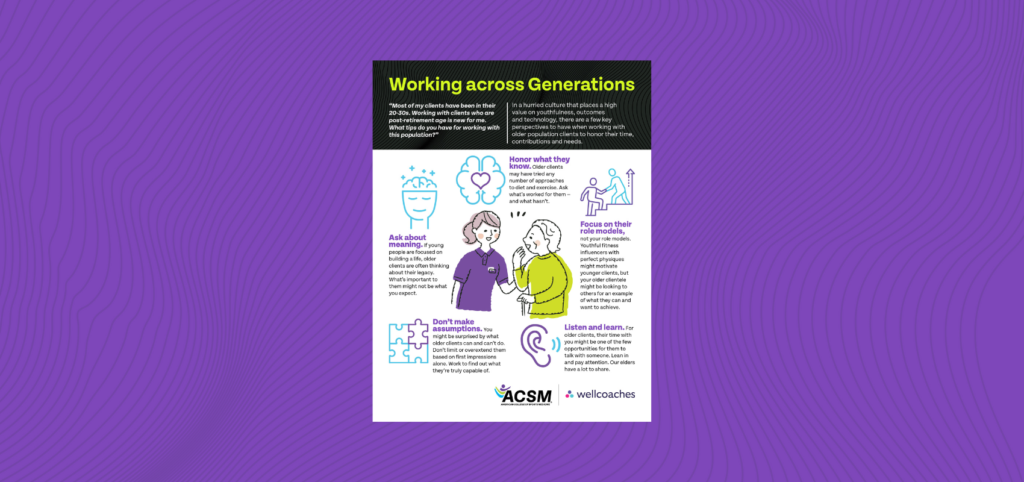
In a hurried culture that places a high value on youthfulness, outcomes and technology, there are a few key perspectives fitness professionals should have when working with older population clients to honor their time, contributions and needs.