|
|
|
Cancer & Exercise Resources
Cancer & Exercise

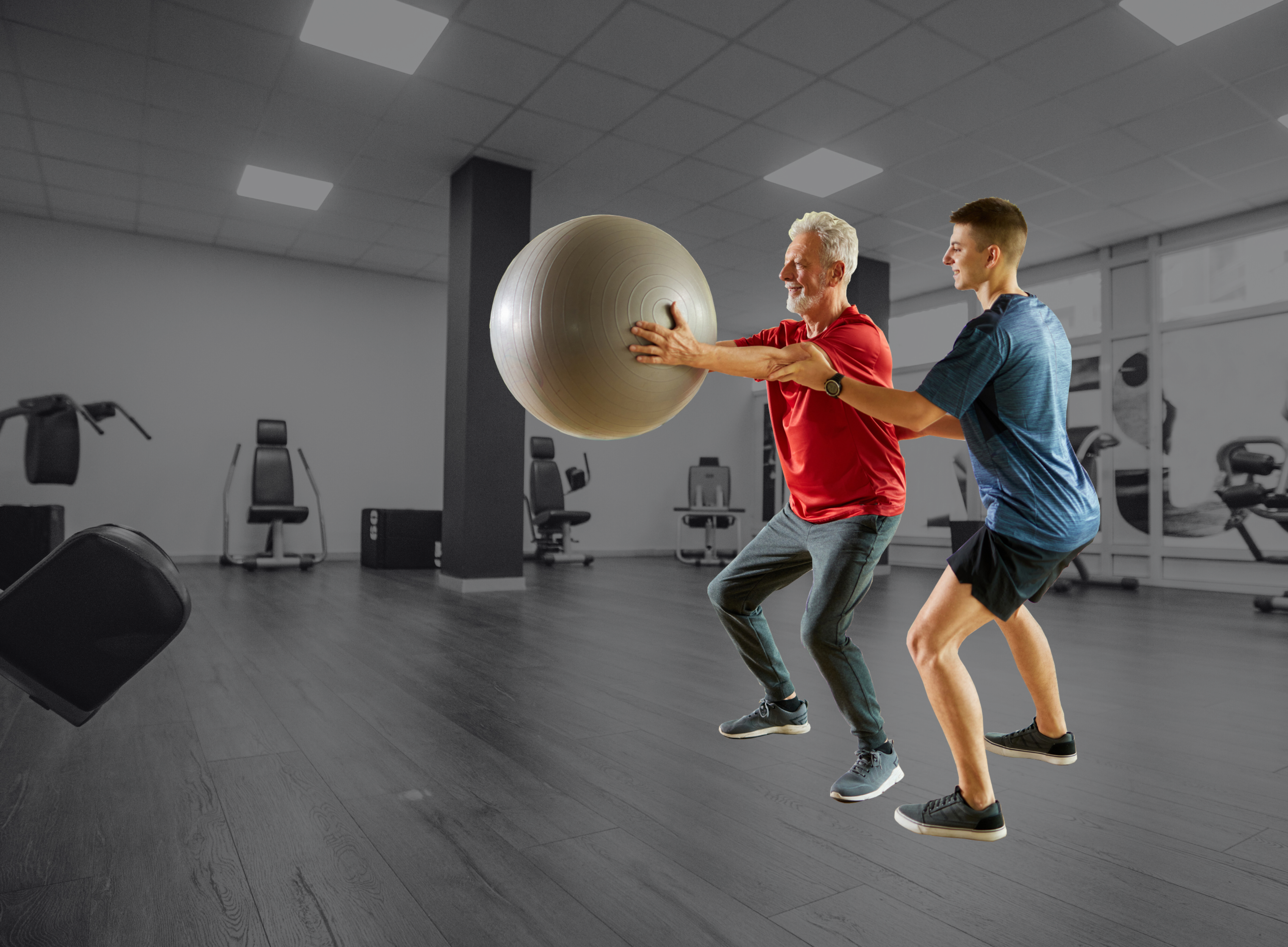
Currently, there are approximately 18 million cancer survivors in the U.S., and according to the National Cancer Institute that number is expected to increase to 20.3 million in 2026. Cancer treatments result in many acute, chronic or late-appearing toxicities that can negatively impact the quality of life of those living with and beyond a cancer diagnosis. Over the past two decades, convincing evidence has emerged on the ability of exercise and physical activity programs to provide significant physical and psychological benefits, reduce many cancer treatment side effects, and potentially reduce the risk of cancer recurrence.

Divider line purple, blue, black

21 CECs
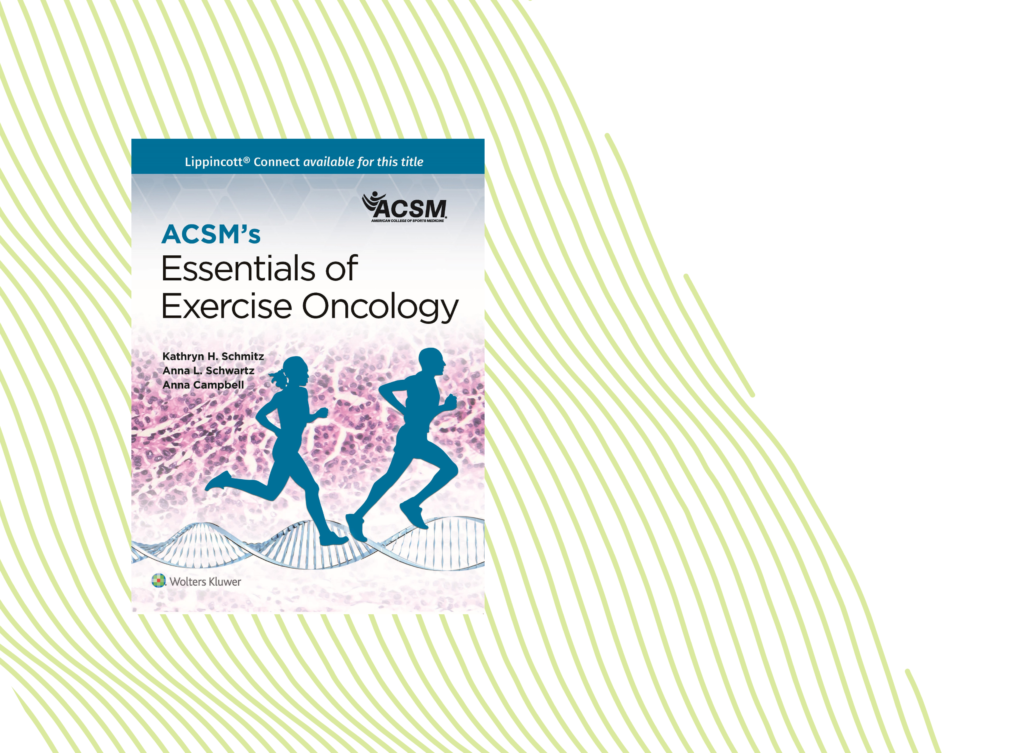
cover image of the book ACSM's Essentials of Exercise Oncology
Book

Moving Through Cancer

The mission of Moving Through Cancer is to assure that all people living with and beyond cancer are assessed, advised, referred to and engaged in appropriate exercise and rehabilitation programming as a standard of care. 

Research & Patient Resources

Handouts
ACSM Journal Articles
Additional Resources

These resources have been developed by ACSM members, their employers and institutions. The list has been gathered and reviewed by ACSM’s Cancer Special Interest Group to confirm accuracy and accessibility.

Exercise & Nutrition Videos and Playlists
Downloadable Guides
Keep Learning
Studies and Programs
  • Fit Together
  • Embrace Exercising Together | A Study for patients and partners about to start radiation treatment for cancer
  • iLIVE | A research study aimed to provide physical activity and nutrition guidance for prostate cancer survivors

Online Learning

GSSI Pre-Conference

The Physiology of Hydration: More Than Water Alone

This session explores the physiology of hydration through an integrated lens—examining how carbohydrate, sodium, flavor, and fluid interact to influence intake, absorption, retention, and performance. We’ll review current research on fluid balance, osmotic drivers, and palatability, highlighting mechanisms that underpin voluntary intake and thermoregulation. Attendees will gain insight into individualized strategies, including sweat profiling and timing approaches, to optimize euhydration and mitigate performance decrements associated with >2% body-mass loss. Practical applications will be linked to laboratory- and field-based research, ensuring translation from bench to field. This pre-conference equips you with evidence-based tools to support athlete hydration across diverse environments and sporting contexts. 

Divider line green, blue, black
  • Session 1: Sweating the detail: New insights on hydration considerations for athlete performance
    • Lewis James, PhD, Associate Professor in Human Nutrition in the School of Sport, Exercise and Health Sciences at Loughborough University
  • Session 2: Functional ingredients in fluid replacement beverages for athletes
    • Lindsay Baker, PhD, Director at the Gatorade Sports Science Institute
  • Session 3: The hydration toolkit: Practical approaches to athlete support
    • Floris Wardenaar, PhD, Associate Professor at the College of Health Solutions at Arizona State University