
Focus on Eccentric Loading for Enhancing Muscular Adaptation to Training

Resistance exercise is a fundamental aspect of athletes’ training programs, especially in sports where force- and power-production capabilities are keys for elite performance. In traditional strength-training programs, equal absolute load is applied during both the concentric and eccentric phases of muscle contraction. Skeletal muscle is capable of 30%, or more, force production during maximum eccentric […]
More Than Head Trauma: Understanding Factors Related to Negative Health Outcomes in Former Football Players
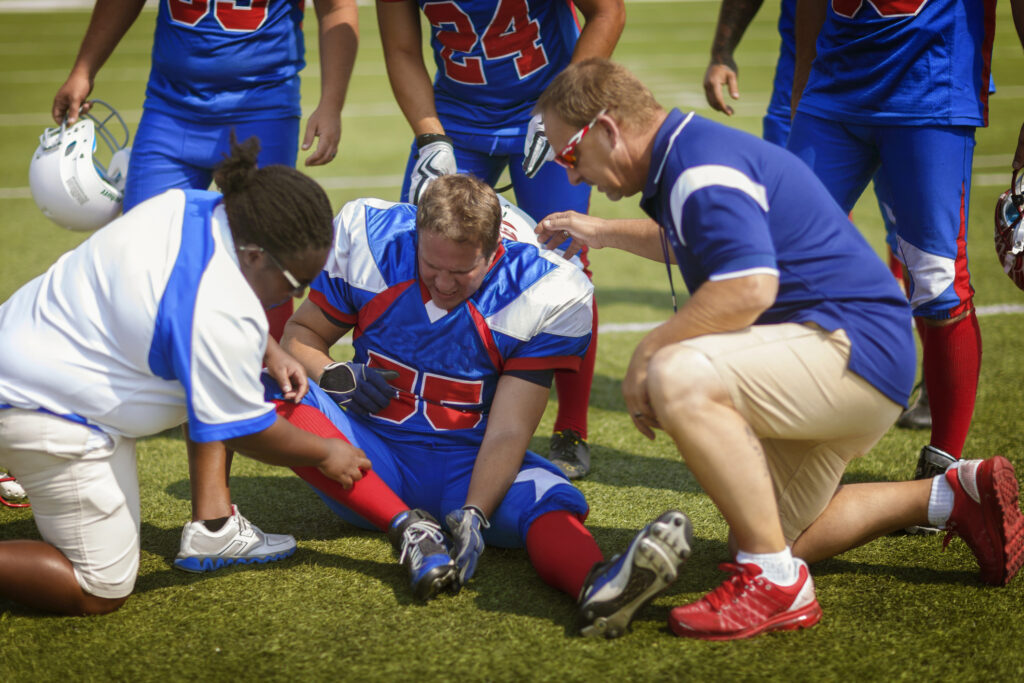
The long-term effects of sport-related head trauma have gained notable attention from the scientific community, sport governing bodies, and the mainstream media in the past two decades. Concussions and repetitive head impacts that do not result in clear clinical signs and symptoms have been investigated as risk factors for worse health-related outcomes in later life. […]
Muscle and Cancer: Outcomes and Expectations
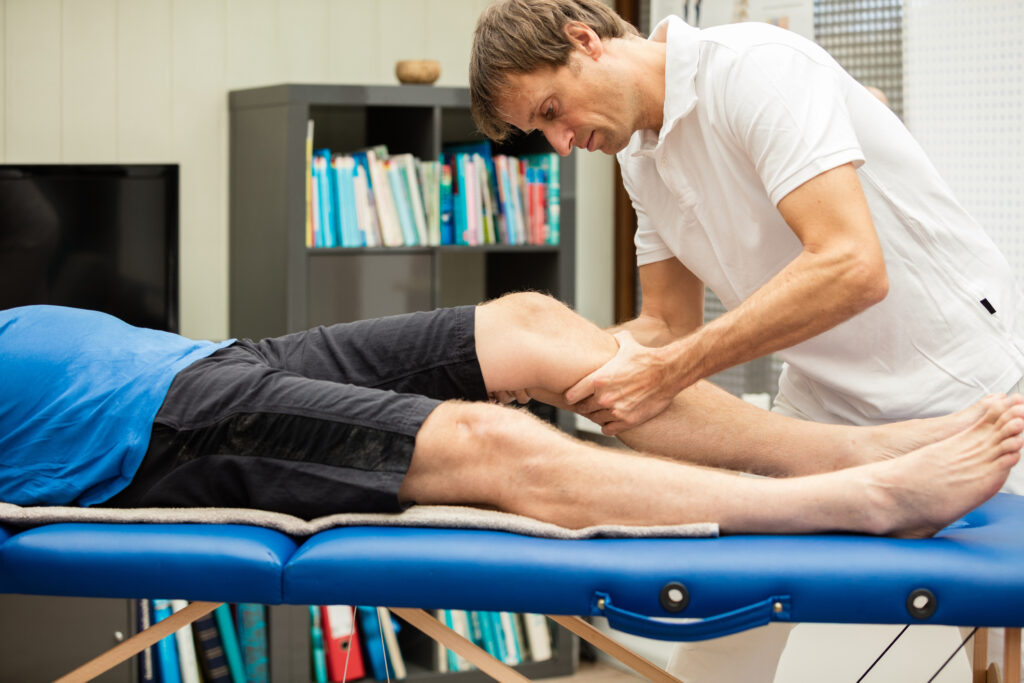
Low muscle and prognosis The question of muscle and cancer is one of the most fascinating and rapidly growing areas of exercise oncology. Dr. Carla Prado is considered one of the godmothers of this field: Her 2007 study identified low lean body mass as a predictor of chemotherapy toxicity in individuals with colon cancer. Since then, […]
Exercise, Type 2 Diabetes and Communities of Color

ACSM’s February release of its new consensus statement on type 2 diabetes (T2D) and physical activity is timely for Black History Month 2022 — communities of color disproportionately bear the burden of overweight/obesity and diabetes, likely due in large part to social and environmental factors. For instance, we know that a reduction in physical education […]
Discussing Diversity, Equity and Inclusion in the Classroom | Video + Conversation Guide
When NiCole Keith, Ph.D., FACSM, was elected the 64th president of the American College of Sports Medicine (2020-2021), she became the first person of color to hold that position in the college’s history. In this video interview with ACSM Historian Sean Walsh, Ph.D., FACSM, Dr. Keith discusses how her mother motivated her to pursue academics, […]
Supporting Athlete Mental Health

It has been remarkable to witness high-profile athletes advocating and educating the public about mental health support needs in elite-sport environments. In both National Collegiate Athletic Association (NCAA) and Olympic settings, I have observed transparent efforts to bolster support for mental performance consulting services and/or mental health resources over the past 5-10 years. It is becoming increasingly […]
ACSM Publishes New Recommendations on Type 2 Diabetes and Exercise
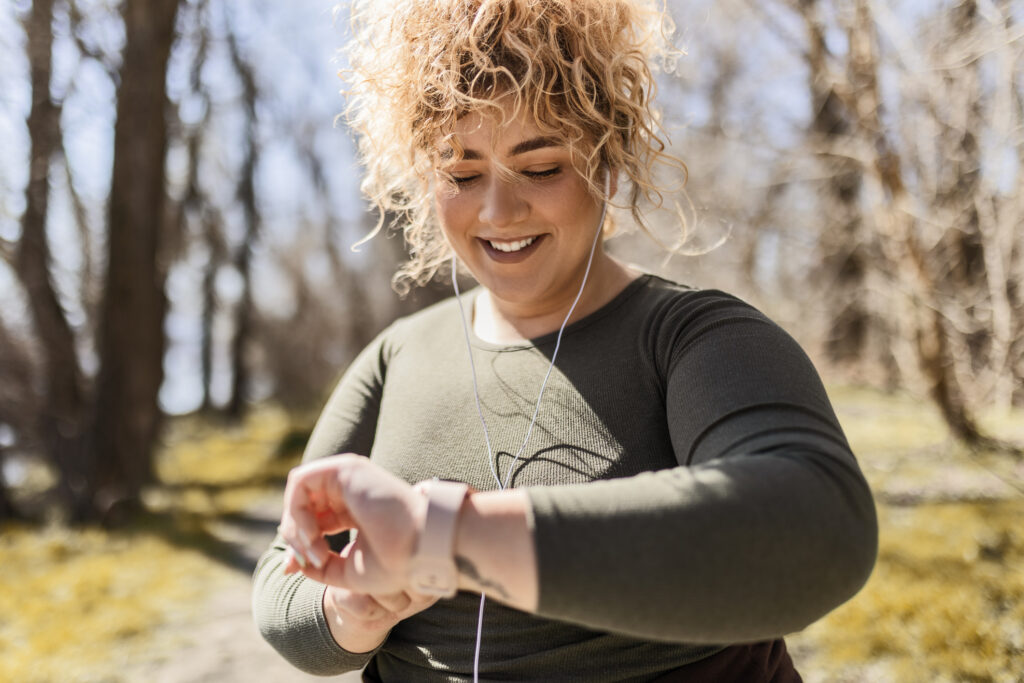
(Indianapolis)- Diabetes is a chronic disease that affects more than 463 million people worldwide, and type 2 diabetes accounts for 90-95% of all cases. Research in exercise science confirms that physical activity can help prevent type 2 diabetes, as well as help patients manage its effects. To assist consumers and exercise professionals in fighting type […]
EP/CEP Reimbursement Town Hall: Accreditation

ACSM, with guidance from past president William Kraus, M.D., FACSM, launched a newly formed task force in March 2021 to pursue reimbursement for ACSM Clinical Exercise Physiologists (ACSM-CEPs) and Exercise Physiologists (ACSM-EPs) within the health care system. To achieve this aspirational goal, ACSM must demonstrate that ACSM-CEPs and ACSM-EPs are uniquely qualified health care professionals […]
Biobanks and Advanced Genetics Bring New Tools to Exercise Sciences
To a varying extent, most human characteristics are heritable. The genetic component of physical activity behavior and many related physiological phenotypes has been established as polygenic. This means that variation in these phenotypes is explained by the contributions of hundreds or thousands of genetic variants, each of which has a small effect size. Advances in […]
25 Years of Physical Activity Time Trends Research

In developed countries, the life expectancy of adults has increased dramatically over the past century. This is largely due to decreases in smoking and reductions in infectious disease and cardiovascular disease brought about by modern medicine. However, due to a rise in labor-saving devices and electronic entertainment, many have suggested that we have engineered much […]