ACSM Releases 3 New Pronouncements

In July, ACSM published a new Expert Consensus Statement in Medicine & Science in Sports & Exercise® (MSSE) titled “Testing in Intermittent Sports — Importance for Training and Performance Optimization in Adult Athletes.” This Expert Consensus Statement provides an overview of available tests in different exercise domains identified as relevant (from assessment of single explosive actions to […]
Exercising Caution: The Dangers of Cold Temperatures
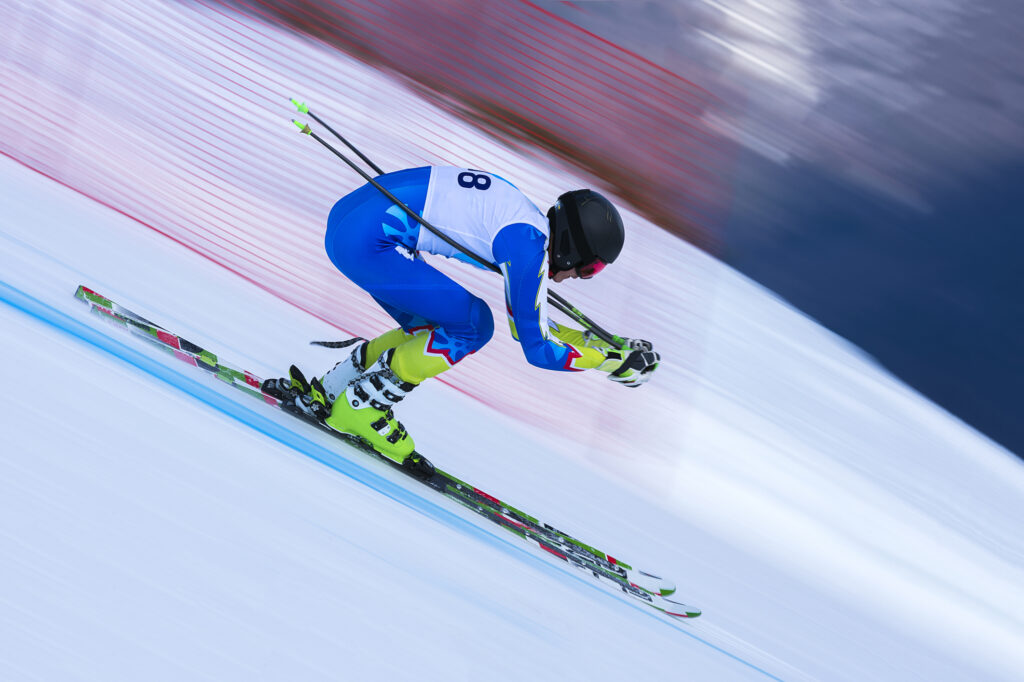
In the new year, fitness pros often see their facilities and schedules inundated with people looking to make a change. In the right conditions, and under proper supervision, a resolutioner really can shift the direction of their life. But under the wrong conditions, inexperienced (and even experienced) exercisers, athletes and recreational enthusiasts can get into […]
Sex Differences in Athletic Performance | ACSM Consensus Statement

ACSM has released a new pronouncement, “The Biological Basis of Sex Differences in Athletic Performance: A Consensus Statement for the American College of Sports Medicine,” published in ACSM’s Translational Journal of Sports Medicine. What does that mean? First, let’s talk about what ACSM pronouncements are, then about the specific type of pronouncement this is, which will […]
ACSM Releases Expert Consensus Statement: The Biological Basis of Sex Differences in Athletic Performance
(Indianapolis, IN)- September 29, 2023 – The American College of Sports Medicine (ACSM) has published an expert consensus statement in the September issue of its Translational Journal. Expert Consensus Statements provide a mechanism by which ACSM can address topics of high importance and/or with broad impact. The primary goal of this consensus statement, which focuses […]
Exercising a New Path: Insights from the ACSM Roundtable on NAFLD and Physical Activity
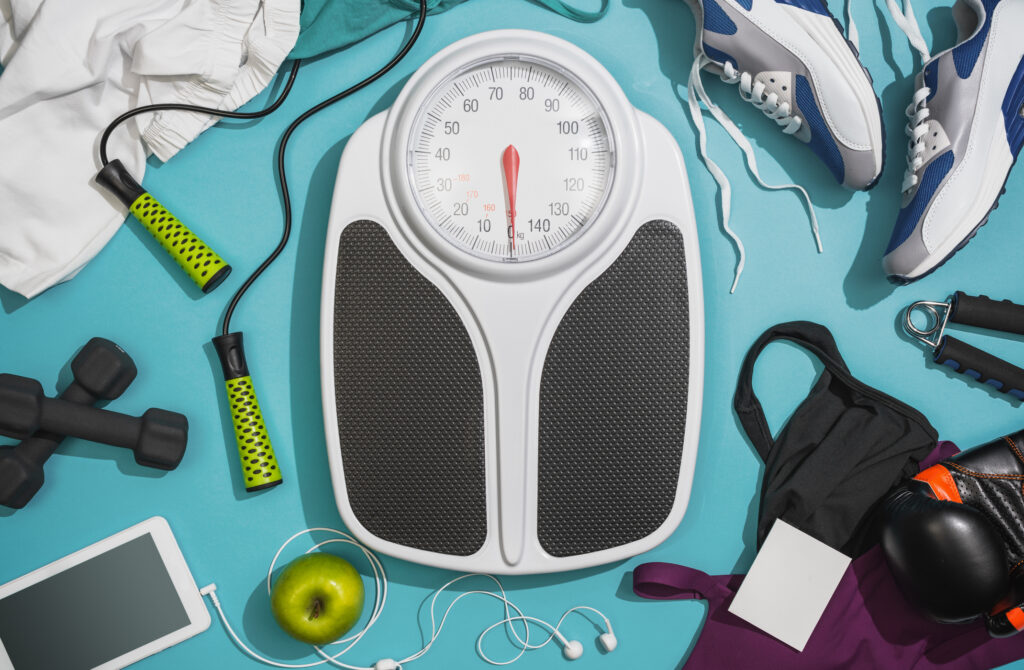
The growing prevalence of nonalcoholic fatty liver disease, or NAFLD, is quite astounding. With one in three people affected worldwide, NAFLD is a substantial public health issue that demands attention. Characterized by excessive fat deposition in the liver, NAFLD is typically found in the setting of metabolic dysfunction. If uncorrected, NAFLD can progress to advanced […]
Exercise Improves Liver Health

The liver plays a crucial role in numerous metabolic processes necessary to leading a healthy life, including those essential to metabolism, such as storing energy and regulating blood sugar. Exercise has been shown to improve liver health by reducing fat in the liver, improving insulin sensitivity, reducing inflammation, boosting the immune system and improving mental […]
Running for Two: Pregnancy, Training and Return to Performance for Elite to World-Class Runners
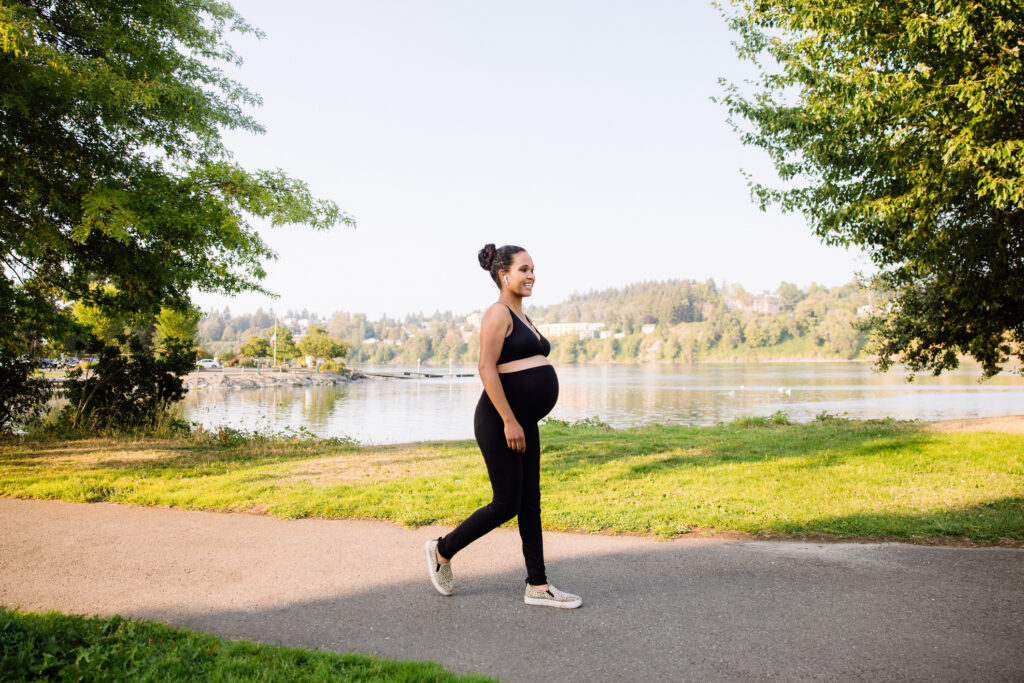
There are a variety of resources that exist to advise individuals on best practices for exercising throughout pregnancy. International evidence-based health guidelines typically recommend at least 150 minutes/week of moderate-intensity physical activity in those without contraindications during pregnancy. While these recommendations guide physical activity during pregnancy in the general population, they are not developed — […]
Staying Ready: A Real-World AED Response
You never know when you’ll need to use your emergency training. That’s what ACSM member and Noblesville, Indiana, Orangetheory Fitness Head Coach Tony Maloney was reminded of in late October when a patron visiting from out of state collapsed suddenly in a mid-morning strength class. Maloney had just finished the five-minute warm-up and started the […]
Are You Prepared for a Cardiac Emergency?
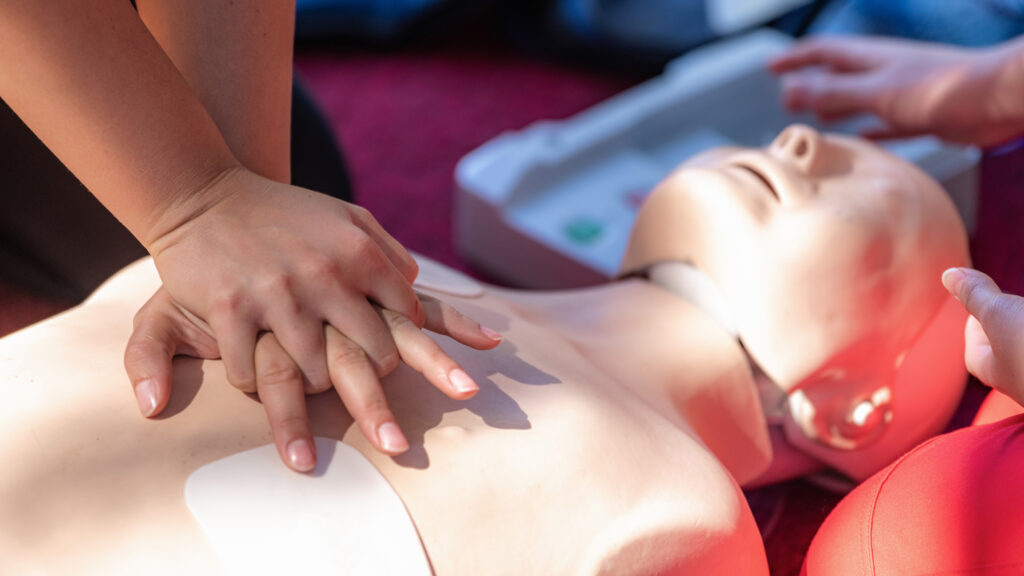
The benefits of physical activity, even at low levels, far outweigh the cardiovascular risks for most people. But Murphy’s Law is always peering around the corner — what if the worst happens? We need to have a plan in place. Fortunately, ACSM’s consensus statement on the topic provides fitness professionals with important background information and a number […]
Exercise and Energy Drinks: What Does the Research Say?
Should your clients use energy drinks to improve their exercise performance? The short answer is no. But it’s important to understand why. Energy drinks, or “EDs,” are fundamentally different from sports drinks (e.g., Gatorade) and traditional beverages like coffee, tea, soft drinks, juices and flavored water. Most contain three major components: high levels of caffeine, […]