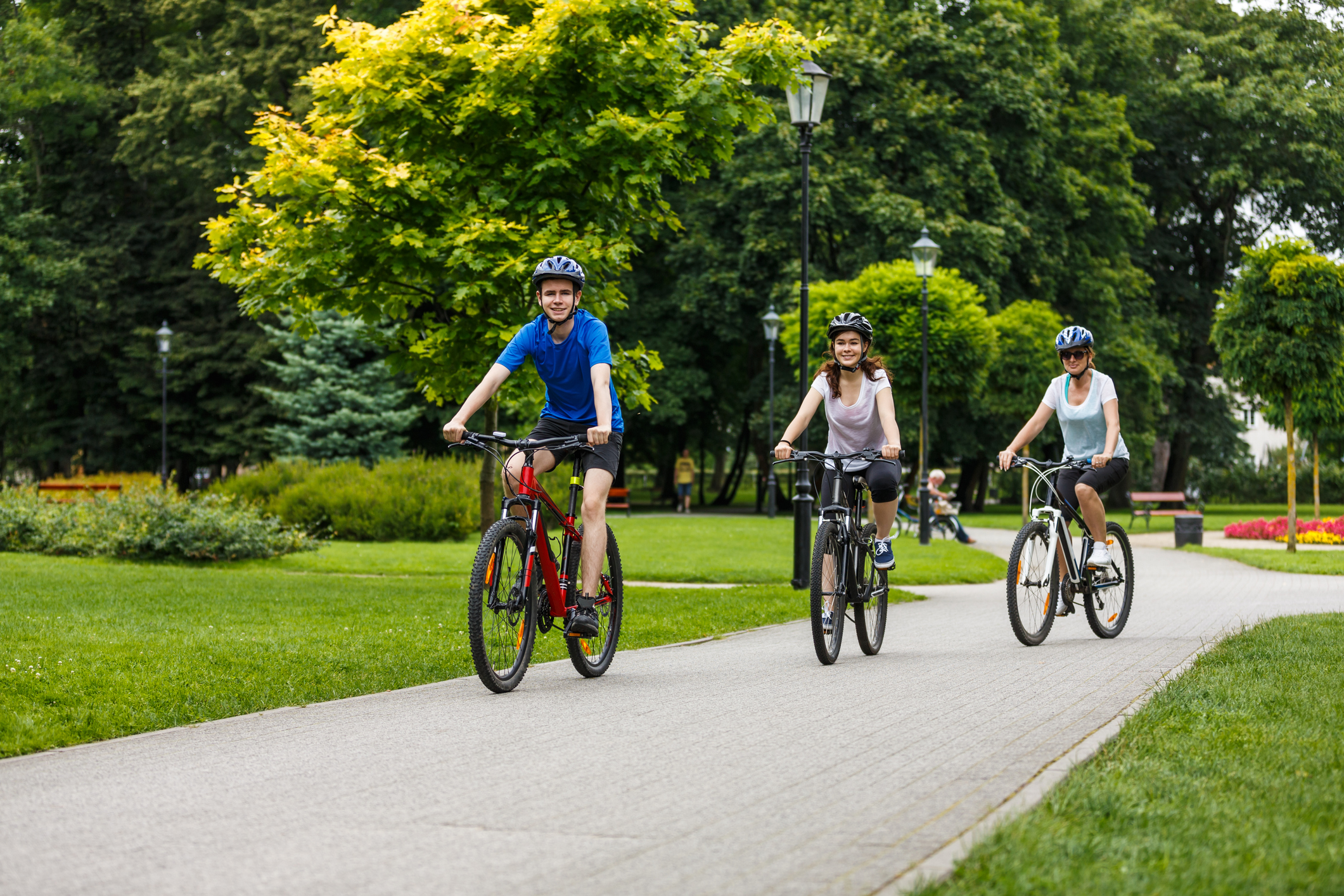
Cycling is an ideal form of transportation and recreation: More physically engaging than driving and far more mechanically efficient than walking or running, it’s the perfect balance of convenience and exercise. It’s better for our health, and better for the environment.
There’s a sticking point, though: Many communities lack the necessary infrastructure for safe cycling. It’s difficult to feel comfortable cruising along a road with a narrow shoulder and hectic, distracted commuter traffic racing by.
What to do?
Let’s consider a model highlighted by the Centers for Disease Control and Prevention (CDC):
The Baltimore Greenway Trails Coalition aims to link dozens of communities in the Baltimore region to historic areas, economic centers and other frequented sites with roughly 35 miles of trails connecting existing parks and public transit. Their ambitious plan is worth a read — and a good example of what an urban area might consider implementing.
The key to getting such a plan in place — and executing it — of course, is advocacy. Helpfully, an organization called the League of American Bicyclists has been hard at work developing strategies and resources that community members across the country can use to bring their bike-friendly ideas to fruition.
Check out their Bicycle Friendly Program to learn effective advocacy techniques and approaches. Meanwhile, their Bike Law resource highlights cycling statues by state, as well as other relevant legal considerations.
Even better, if you join the league, they’ll support your advocacy efforts.
But most important, don’t go it alone! Getting involved with a local cycling group is a great way to find new friendships, network, spread the word and make sure you’re not pursuing advocacy channels that others are already working on.
It may take some effort to get the pro-bicycling wheels turning in your city, but the ACSM community is no stranger to hard work — and more than up to the task. Together, we can build a more bike-friendly nation, bringing with it all the attendant health and environmental benefits.
Where does your city rank?
Each year, the ACSM American Fitness Index® determines the relative wellness of America’s 100 most populous cities. When it comes to cycling, here are some stats:
Out of a possible score of 100, Minneapolis took first place (83.5) in the Bike Score category, followed by Portland, Oregon (82.4). The penultimate city was Nashville (29.7) followed in last place by Winston-Salem, North Carolina (29.2). Forty percent of America’s largest cities have a Bike Score below 50. The average score was 54.2.
Learn more about the Bike Score, and see your city’s stats, on the American Fitness Index website.
Want to learn about ACSM’s latest advocacy efforts? Visit our advocacy page.