Modeling Great Sportsmanship: Insights and Pledges
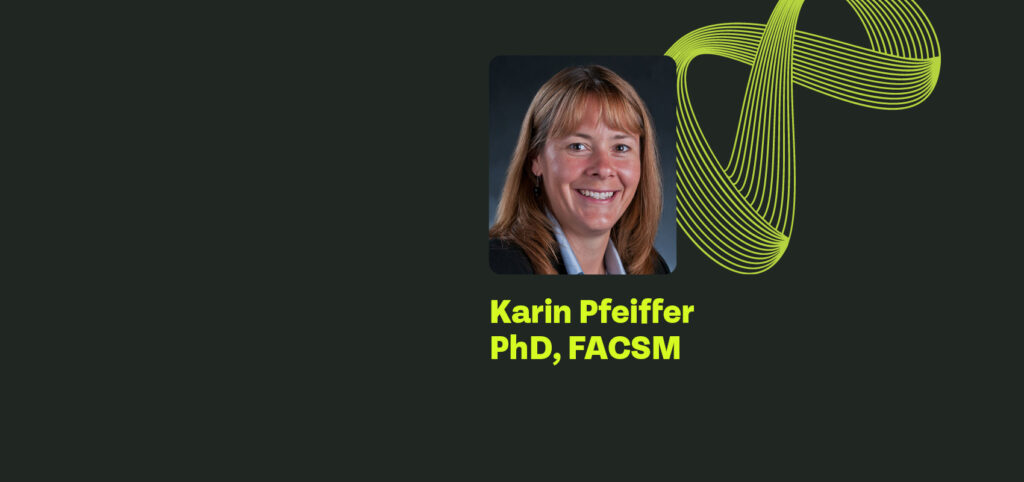
Sportsmanship makes champions. Dr. Pfeiffer discusses how athletes’ success is built on strong foundations laid by coaches and family.
This May, Actively Transport Yourself to Work and Play
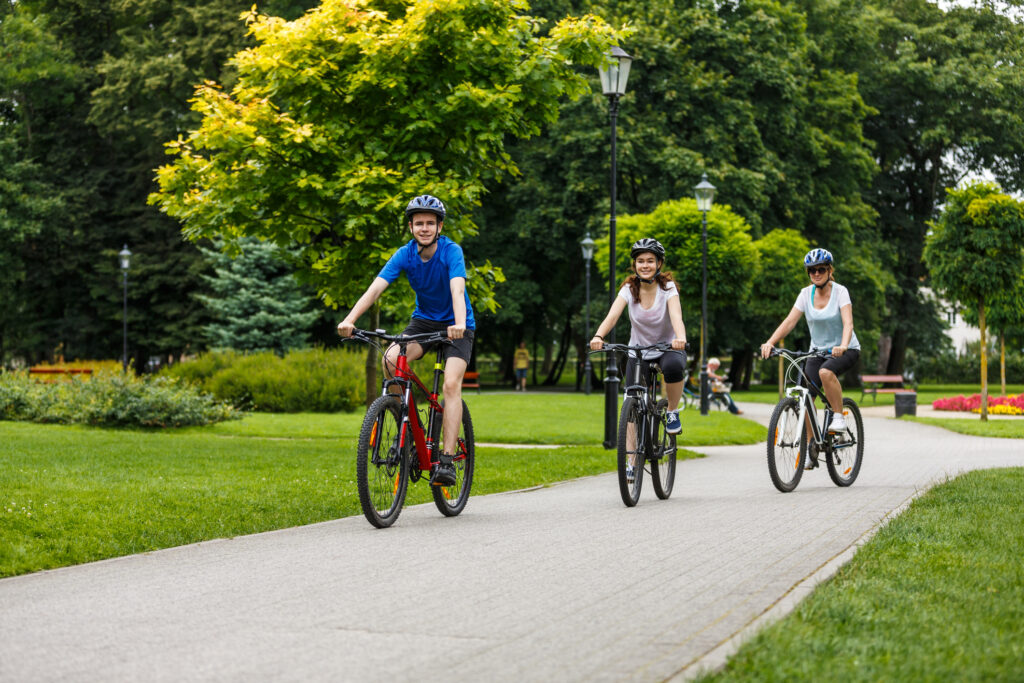
May is Active Transportation Month, a time to get outside — an experience enhanced by walking, riding or rolling rather than driving a vehicle. The health benefits of incorporating physical activity into one’s daily routines, whether during our commute, running errands or simply for leisure, have been extensively reported. These benefits span across cardiovascular, metabolic, […]
Fighting, Faith and Asynchronous Cardiac Rehab: Get to Know Alexis Bhagat, ACSM-CEP
Alexis Bhagat fought her way into sports medicine. The 32-year-old clinical exercise physiologist is a true Millennial: like many of us, she went to the mat, so to speak, on an extracurricular activity. Specifically karate, which blossomed into an impressive athletic career. And it was no surprise: Both of her older brothers were also fiercely […]
Technogym Q&A | Physical Activity as Pillar of Healthy Longevity
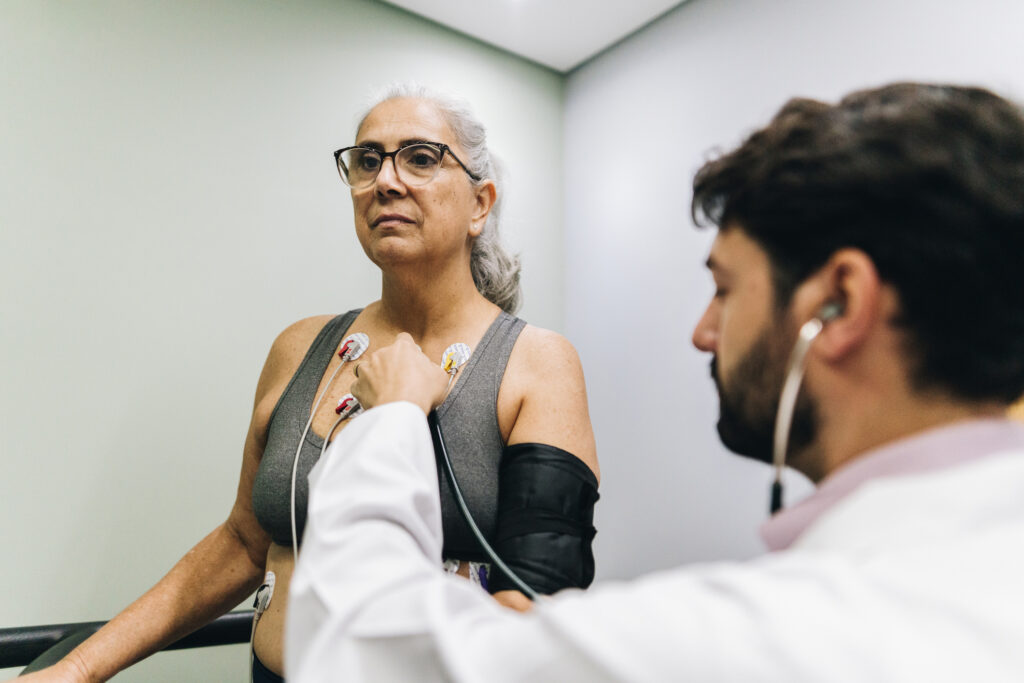
Miss the webinar? Access the Recording Here In the pursuit of a longer and healthier life, it’s essential to focus on both the quantity and quality of the years we live. Healthy longevity—free from chronic diseases—requires attention to both morbidity and mortality. This approach offers valuable insights for health professionals, the public, and policymakers alike, […]
Supporting Active Transportation, CDC Committee Nominations, NIH Grants Policy and More Updates
Active Transportation Infrastructure Investment Program ACSM recently joined several other organizations in support of the Active Transportation Infrastructure Investment Program. Specifically, a letter was sent to the House and Senate Appropriations Committee to request their support for the Active Transportation Infrastructure Investment Program (ATIIP) in the Fiscal Year 2025 budget at the $200 million level as […]
ACSM, NATA Team Up to Support Collegiate Athletic Trainer Workforce
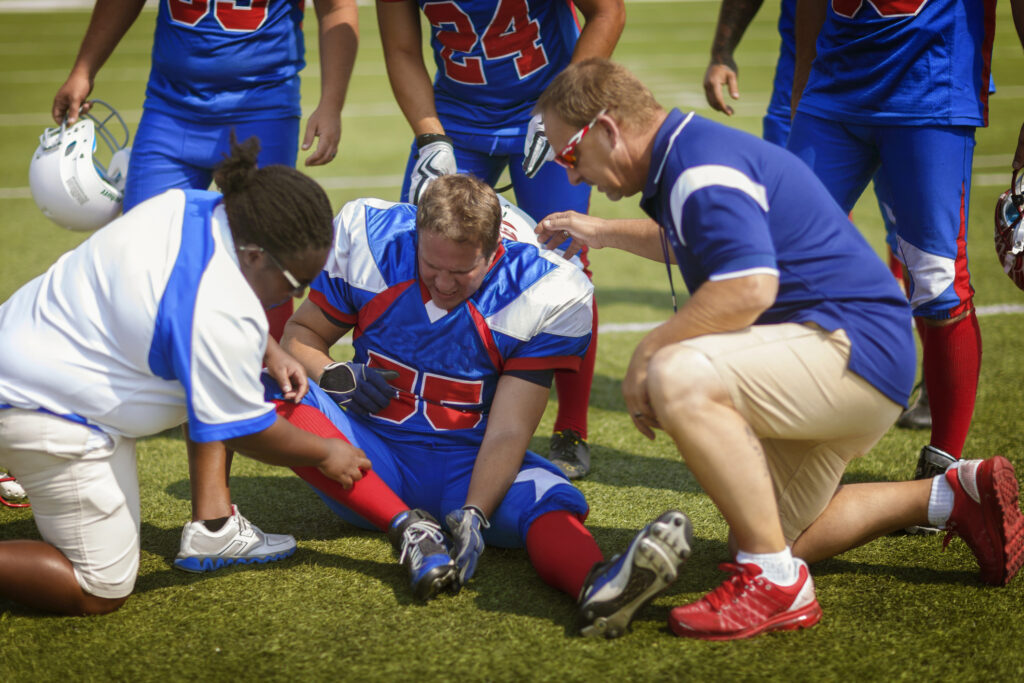
DALLAS, TX (May 8, 2024) – During a national virtual media briefing today, The National Athletic Trainers’ Association (NATA) and the American College of Sports Medicine (ACSM) issued a joint statement in support of the collegiate athletic trainer workforce. “College Athletics is struggling with a labor crisis due to the post-pandemic “Great Resignation.” Particularly in the area of athletic training, colleges […]
Getting Things Moving: How to Inspire Healthy Living in Kids
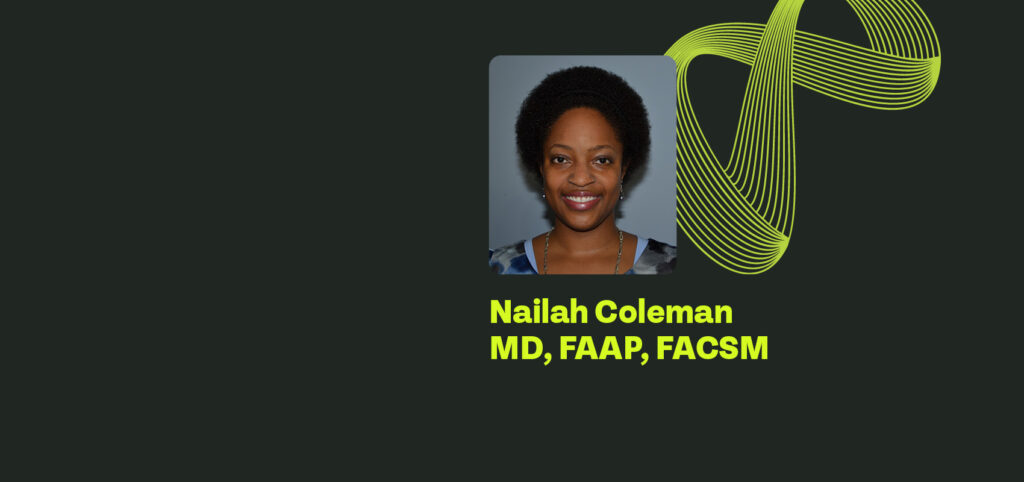
Dr. Coleman shares valuable insights on starting a habit of regular physical activity in children, leading to a lifetime of health and fitness.
Understanding the Energy Requirements of Paralympic Athletes
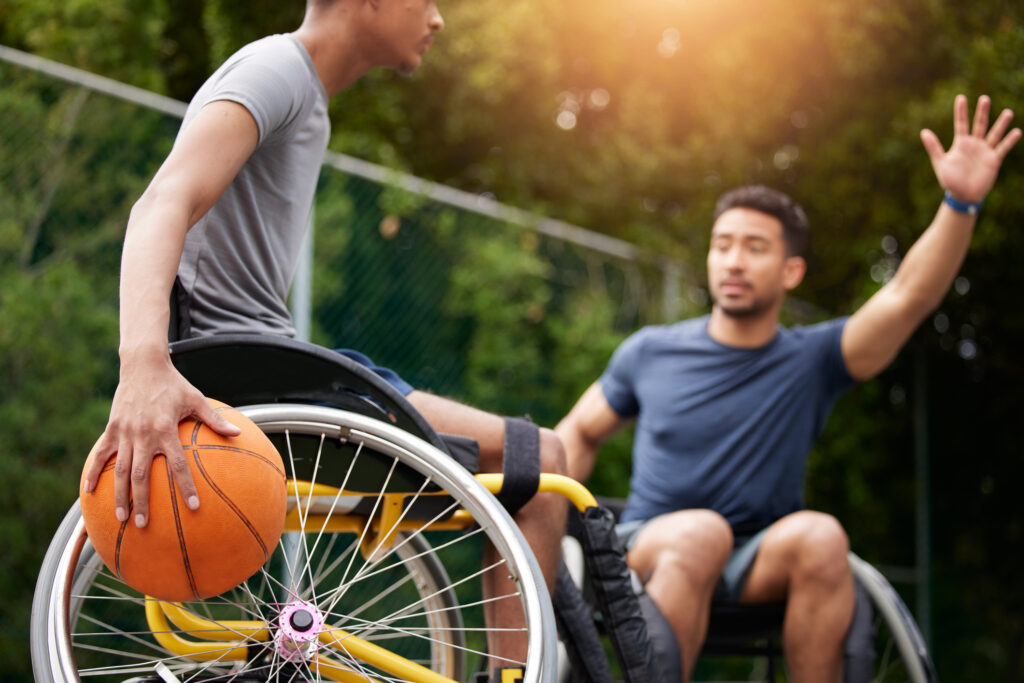
With the growing participation of athletes with disabilities in competitive sports, there is an increased need for specialized nutritional support tailored to their unique physiological differences. These athletes often exhibit distinct body compositions, metabolic rates, training loads and activity patterns compared to their peers without disabilities. Sports nutritionists, especially those working with Paralympic athletes, have […]
ACSM’s Clinical Exercise Physiology, 2nd Edition | Q&A With Editors Walt Thompson and Cemal Ozemek
Released in January 2024, ACSM’s Clinical Exercise Physiology, 2nd Edition, is updated to include the latest advancements and current best practice recommendations. Led by editors Walter R. Thompson, Ph.D., FACSM, ACSM-CEP, RCEP, P.D., and Cemal Ozemek, Ph.D., ACSM-CEP, FACSM, a team of international experts provide an evidence-based approach to exercise as intervention for more than 35 […]
5 Things You Need to Know about Diabetes and Exercise
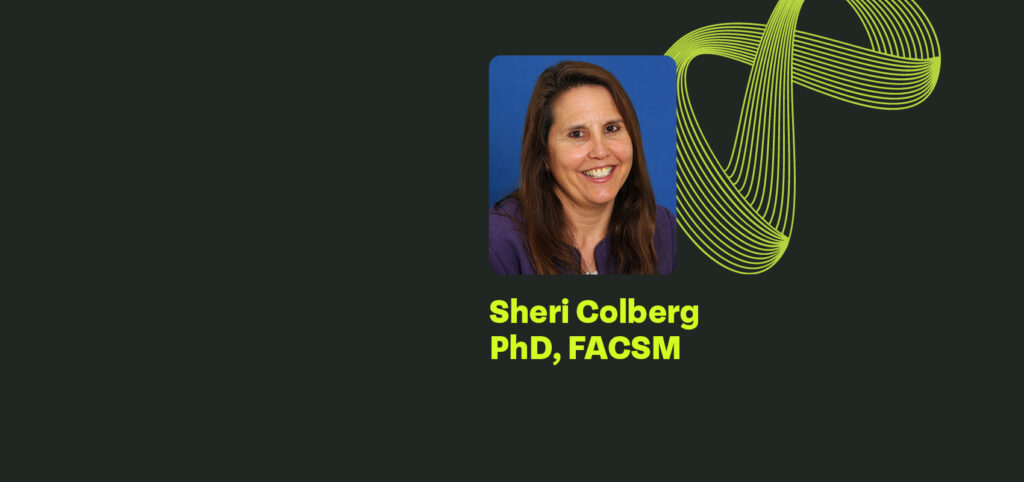
Dr. Colberg shares 5 key things that people with diabetes should know about exercise, including how exercise impacts blood glucose levels.