
2026 Exercise is Medicine Global Leadership Award Recipients
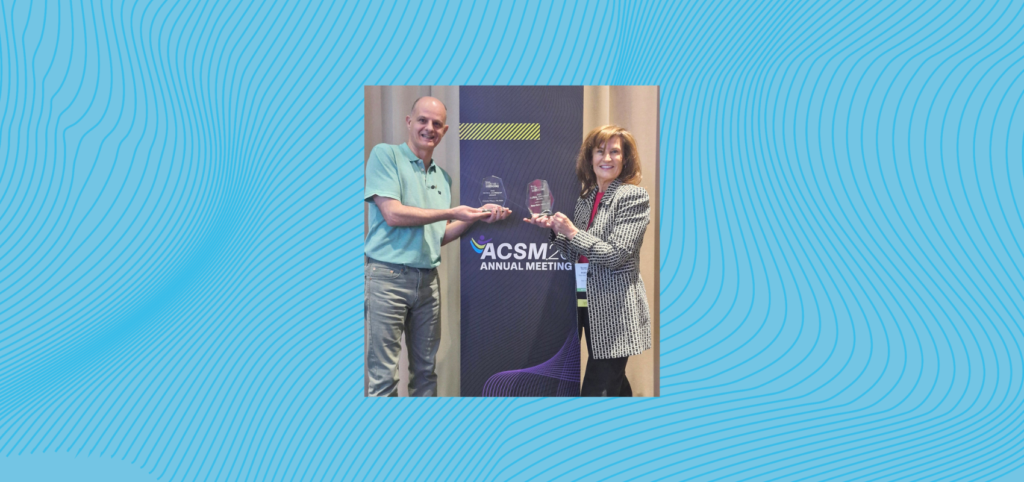
Each year, individuals whose leadership has advanced the integration of physical activity into healthcare and communities around the world are recognized for their contribution through the EIM Global Leadership award. The award honors leaders who have helped expand the EIM global movement to make physical activity assessment and promotion a standard part of health care. […]
From Expo 2025 to Everyday Life: Japan’s Digital Vision for Exercise as Medicine
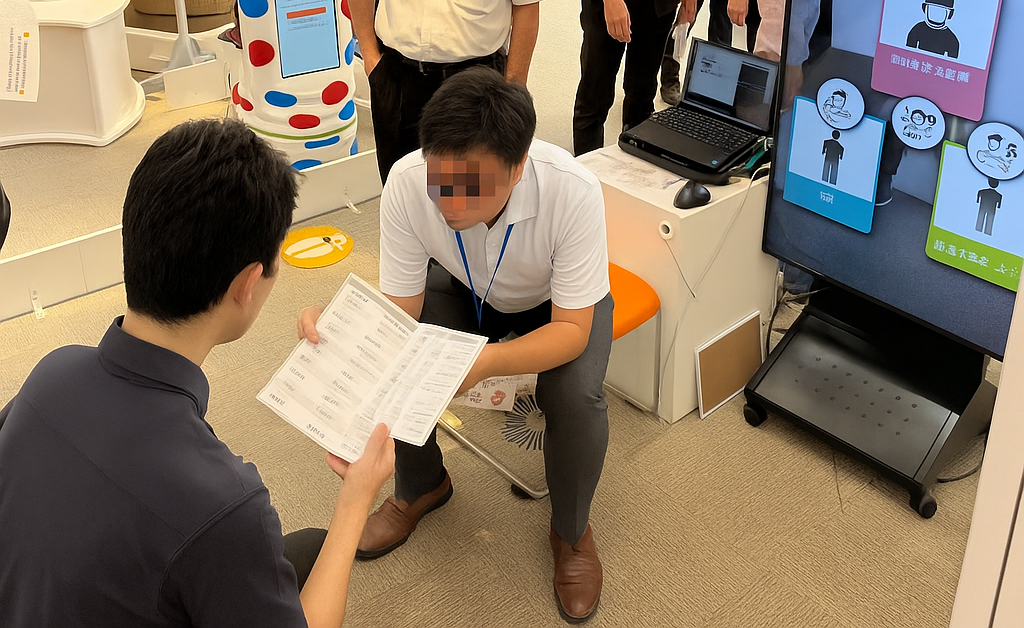
What would it take for exercise to feel as routine as brushing your teeth, not just for patients in clinics, but for ordinary people going about their daily lives? It’s a question Japan is grappling with urgently. With one of the world’s fastest-aging populations, the country faces growing pressure on its healthcare system and a […]
Being Active with Your Young Child | Rx for Health
Encourage your child to be active to get them started on a lifetime of health. Play and movement activities help children develop important physical abilities, teaching confidence and motivation. Physical activity should be FUN and something they want to do on their own. Early activity is the stepping
stone to an active life.
Being Active for a Better Life | Rx for Health
Inactive people who start moving get the biggest bang for their buck. Experts now say that any physical activity counts – even
just a few minutes! Fit in 2, 5, 10 or 20 minutes throughout your day. Every active minute adds up to better health.
Being Active as We Get Older | Rx for Health
Our golden years can be powerful years. The older you are, the more you can benefit from physical activity. Experts now say that any physical activity counts toward better health – even just a few minutes!
Building Exercise is Medicine On Campus in Africa: The University of Ibadan Story

At the University of Ibadan (UI), Nigeria’s premier university, a student-led movement is redefining how health is understood and practiced on university campuses. The Exercise is Medicine On Campus (EIM-OC) UI Chapter is part of a global initiative to promote physical activity as a standard component of healthcare. In Nigeria, this initiative is championed by […]
Being Active When You Have Peripheral Arterial Disease | Rx for Health
Studies show that participating in a supervised PAD exercise program helps lessen the amount of aching or cramping you have in your calves, butt or thighs when walking.
Being Active During the Perimenopausal Years | Rx for Health
Regular physical activity improves heart health, mood, and sleep, and may aid in reduction of hot flashes, suggesting that exercise may be a good alternative or companion to medication.
Being Active When You Have Parkinson’s Disease | Rx for Health
Research clearly shows that regular exercise can reduce the severity of Parkinson’s Disease (PD) symptoms and slow down the progression of the signs of the disease.
Being Active When You Have A Pacemaker | Rx for Health
A pacemaker helps keep your heart beating safely at rest and during exercise. Gradually increasing your level of physical activity can help you return to activities that are important to you.