
Physical Activity Guidelines for School-Age Children
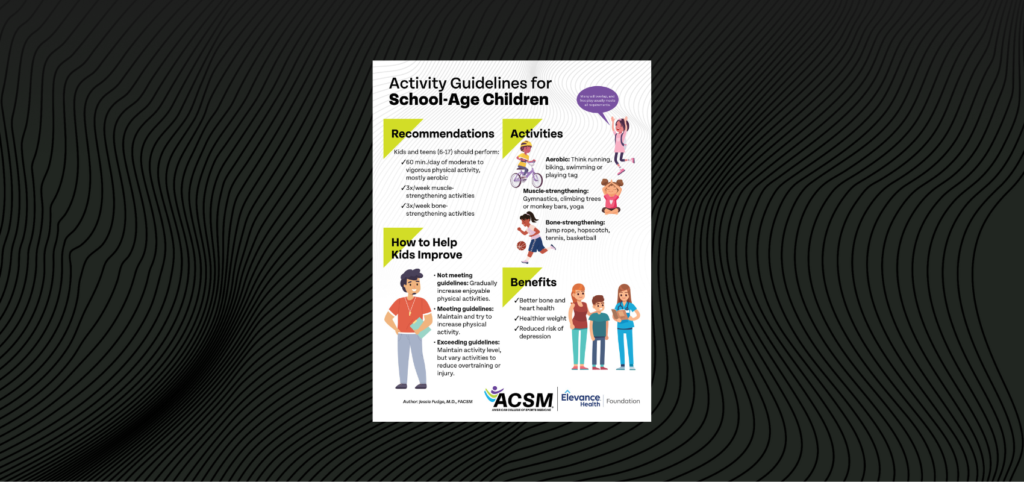
School-aged children should get at least 60 minutes of moderate- or vigorous-intensity physical activity every day of the week
ACSM Publishes New Recommendations on Type 2 Diabetes and Exercise
(Indianapolis)- Diabetes is a chronic disease that affects more than 463 million people worldwide, and type 2 diabetes accounts for 90-95% of all cases. Research in exercise science confirms that physical activity can help prevent type 2 diabetes, as well as help patients manage its effects. To assist consumers and exercise professionals in fighting type […]
25 Years of Physical Activity Time Trends Research

In developed countries, the life expectancy of adults has increased dramatically over the past century. This is largely due to decreases in smoking and reductions in infectious disease and cardiovascular disease brought about by modern medicine. However, due to a rise in labor-saving devices and electronic entertainment, many have suggested that we have engineered much […]
Exercising in the Cold: Chilled, not Shaking!
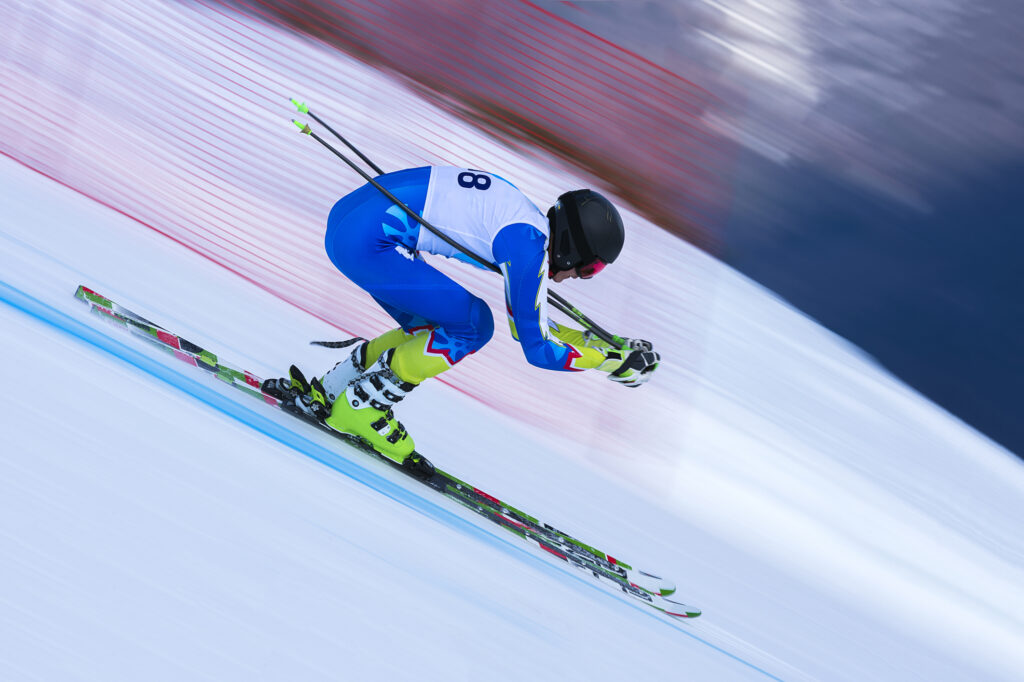
Ok, so, we’ve taken the liberty to slightly “stir” the famous James Bond line. Hopefully you get our point that chilly is ok, but bone-shaking cold isn’t. Particularly when referring to exercising safely in the cold. As we continue through winter, many of your clients will be physically active or working outdoors. While we want […]
Parkinson’s Exercise Recommendations
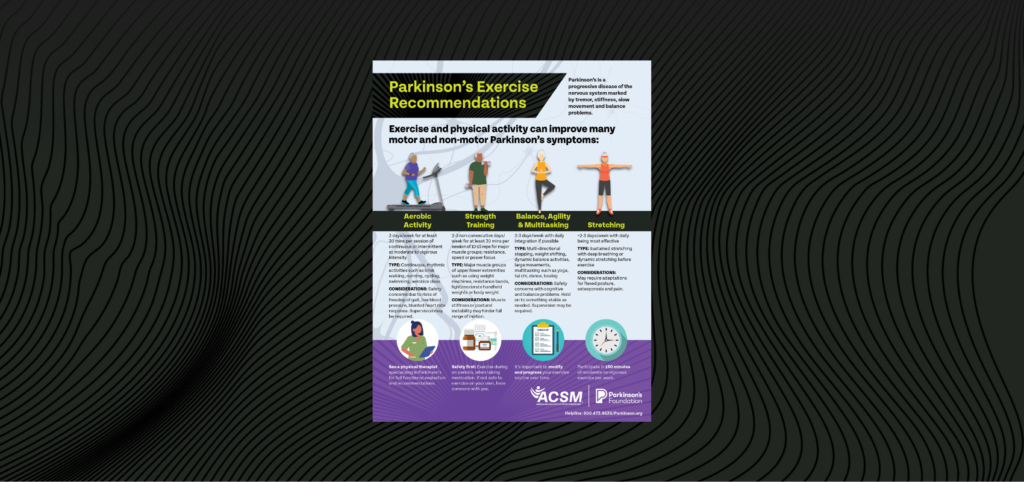
Exercise and physical activity can improve many motor and non-motor Parkinson’s symptoms. Learn more in this infographic developed alongside the Parkinson’s Foundation.
Monitoring Aerobic Exercise Intensity
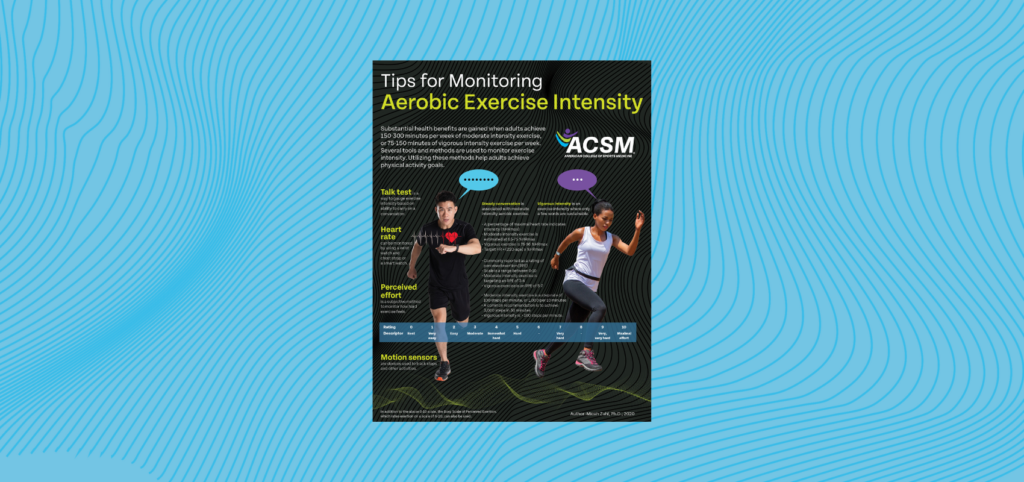
Substantial health benefits are gained when adults achieve 150-300 minutes per week of moderate intensity exercise, or 75-150 minutes of vigorous intensity exercise per week. Several tools and methods are used to monitor exercise intensity.
Gunnar A.V. Borg (November 28, 1927 – February 2, 2020) | A Multilayered Legacy

It is a rare achievement for a researcher’s name to be recognized, and for a body of work to be appreciated, across all the diverse subdisciplines of exercise science. Gunnar Borg is one such name, and his research on perceived exertion is one such body of work. Gunnar Borg passed away earlier this month, at […]
Physical Activity Guidelines for Cancer
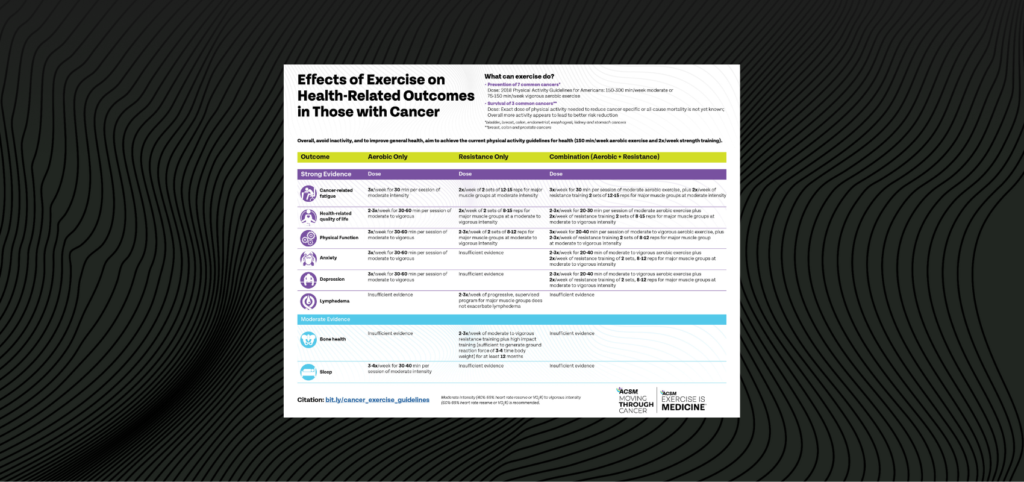
This chart outlines the effects of exercise on health-related outcomes in those with cancer. The guide features evidence-based physical activity recommendations and the associated benefits for specific symptoms and side effects of cancer and its treatments.
Physical Activity and Function in Older Age: It’s Never too Late to Start!
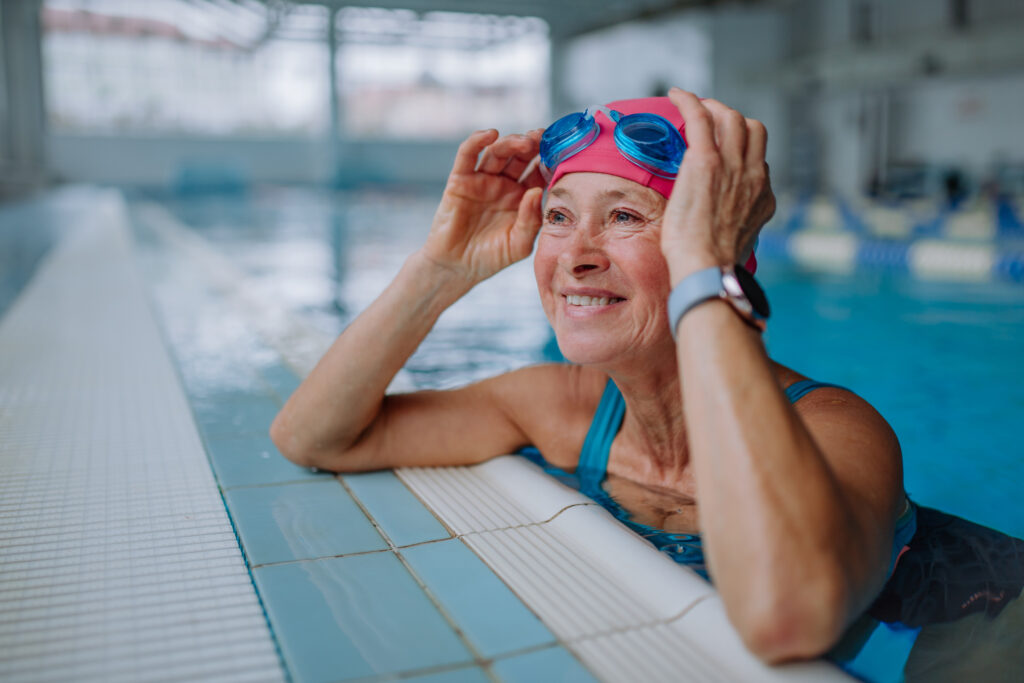
Despite the known benefits of physical activity to health and physical function in aging, the proportion of older adults meeting recommended physical activity guidelines remains low (27%). Since the 2008 Physical Activity Guidelines for Americans were published, considerable evidence has emerged regarding the relative benefits of various modes or combinations of physical activity, such as progressive resistance training, multicomponent […]
High-Intensity Interval Training: For Fitness, for Health or Both?

That which was old is new again. High-intensity interval training (HIIT) has been a common component of exercise regimens designed to improve fitness and performance for many generations. In recent years, research interest has surged. A simple search of PubMed for the term “high-intensity interval training” reveals a more than 20-fold increase in the number […]