
Natural Health: Access to Nature Improves Mental Health, Physical Activity and Chronic Diseases

Have you ever wandered to a local park after a long day or a long week, taken a deep breath, and felt stress and tension leave your body? You are not alone. Just 20 minutes per day of exposure to natural environments decreases stress and improves cognitive function, blood pressure, mental health, physical activity and sleep. Chronic […]
Physical Activity Guidelines Midcourse Report: A Q&A with Federal Lead Katrina Piercy, PhD, FACSM

Dr. Katrina Piercy, FACSM, is the director of the Division of Prevention Science within the U.S. Department of Health and Human Services’ (HHS) Office of Disease Prevention and Health Promotion (ODPHP), having taken on the role in January 2022. Piercy earned a Ph.D. in exercise physiology and nutrition from Virginia Tech (in the department now […]
What Do We Know about Epilepsy and Physical Activity?

Since November is National Epilepsy Awareness Month, I thought it would be appropriate to discuss some of the more recent guidance that’s come across ACSM’s editorial desk regarding epilepsy and physical activity, namely the findings laid out in this 2021 publication in Current Sports Medicine Reports. The topic hits close to home, quite literally — in […]
Physical Activity in School-Aged Children
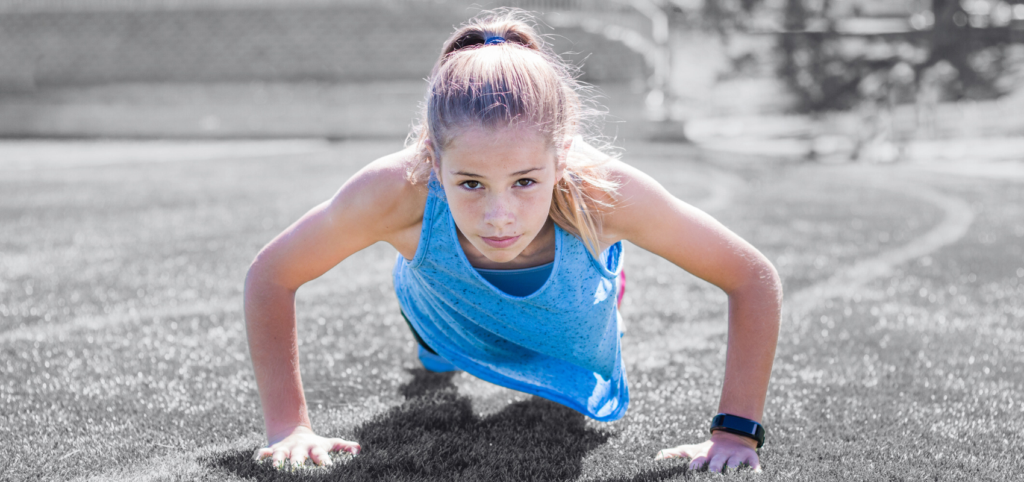
School-aged children should get at least 60 minutes of moderate- or vigorous-intensity physical activity every day of the week. Only 26% of adolescents met these physical activity guidelines in 2018, and that percentage has remained stable since 2011. The COVID-19 pandemic made it even more difficult for children to meet these guidelines. Despite knowing the risk of sedentary behavior […]
Physical Activity Guidelines for School-Age Children
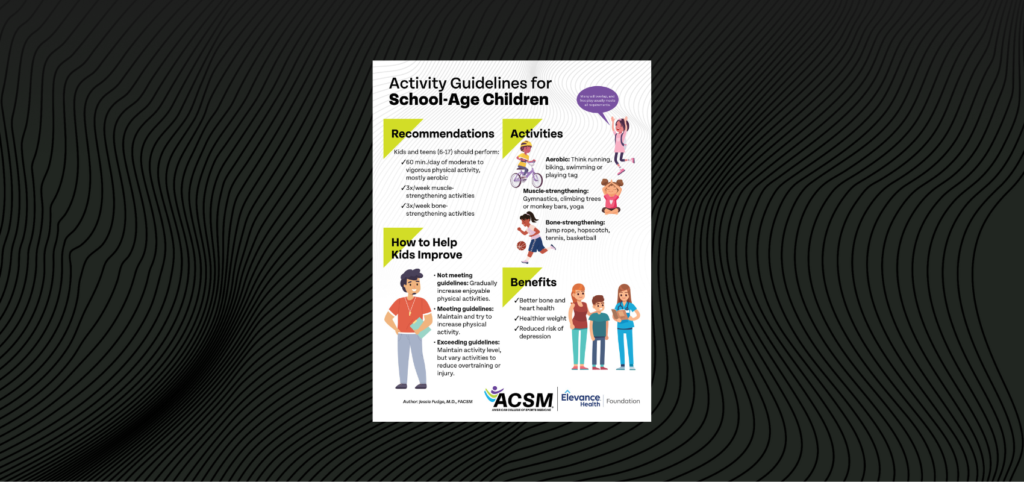
School-aged children should get at least 60 minutes of moderate- or vigorous-intensity physical activity every day of the week
ACSM Publishes New Recommendations on Type 2 Diabetes and Exercise
(Indianapolis)- Diabetes is a chronic disease that affects more than 463 million people worldwide, and type 2 diabetes accounts for 90-95% of all cases. Research in exercise science confirms that physical activity can help prevent type 2 diabetes, as well as help patients manage its effects. To assist consumers and exercise professionals in fighting type […]
25 Years of Physical Activity Time Trends Research

In developed countries, the life expectancy of adults has increased dramatically over the past century. This is largely due to decreases in smoking and reductions in infectious disease and cardiovascular disease brought about by modern medicine. However, due to a rise in labor-saving devices and electronic entertainment, many have suggested that we have engineered much […]
Exercising in the Cold: Chilled, not Shaking!

Ok, so, we’ve taken the liberty to slightly “stir” the famous James Bond line. Hopefully you get our point that chilly is ok, but bone-shaking cold isn’t. Particularly when referring to exercising safely in the cold. As we continue through winter, many of your clients will be physically active or working outdoors. While we want […]
Monitoring Aerobic Exercise Intensity
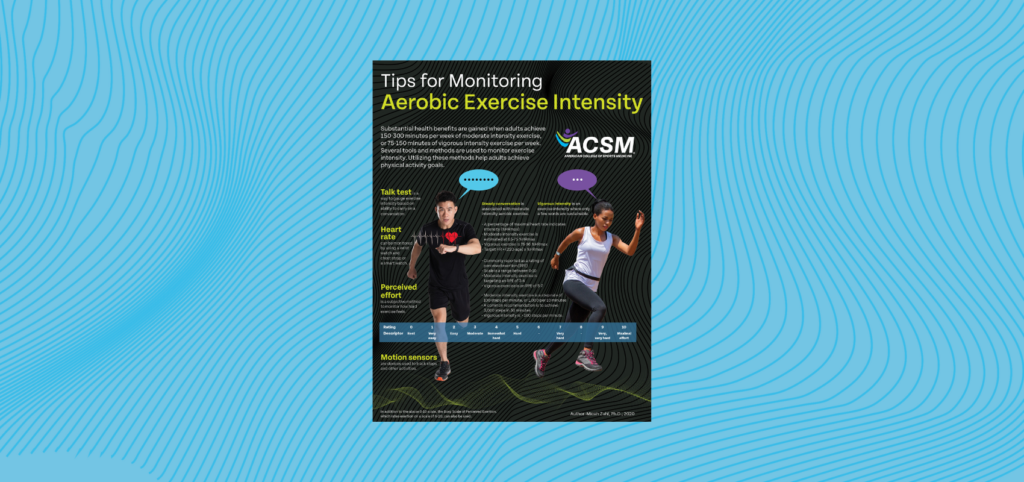
Substantial health benefits are gained when adults achieve 150-300 minutes per week of moderate intensity exercise, or 75-150 minutes of vigorous intensity exercise per week. Several tools and methods are used to monitor exercise intensity.
Gunnar A.V. Borg (November 28, 1927 – February 2, 2020) | A Multilayered Legacy

It is a rare achievement for a researcher’s name to be recognized, and for a body of work to be appreciated, across all the diverse subdisciplines of exercise science. Gunnar Borg is one such name, and his research on perceived exertion is one such body of work. Gunnar Borg passed away earlier this month, at […]