Cardiac rehab had my heart at “Dr. Butter Buns.”
It isn’t easy for an 18-year-old to choose a career. While flipping through majors, I came across “exercise science.” I liked exercise, I liked science, and figured it was worth a shot.
At first, I imagined myself using the degree to go into neurology or concussion research. Then I realized how wide the field of exercise science really was—strength and conditioning, sports nutrition, athletic training, physical therapy, physical education. So many options, which felt both exciting and overwhelming.
Early in my freshman year, I found a job as an athletic trainer’s aide. From the first football game I worked, I was hooked. I loved supporting athletes and learning from Fitchburg State University’s athletic trainers, Todd and Rebecca, who always took the time to teach me. I was ready to go all in, but needing to transfer—and recognizing the profession’s unpredictable hours—made me pause. I stayed the course and finished my undergrad.
I’m grateful I did, because during my junior year I met the professor who changed everything: Dr. Monica Maldari. She taught Cardiovascular Physiology and Exercise Response and Adaptations in Special Populations while actively working as a clinical exercise physiologist. Her practical, real‑world teaching style and passion lit a spark in me. I realized I wanted to do what she did. I wanted to become a clinical exercise physiologist.
To make sure, I shadowed and interned in cardiac rehab. One day, two patients were trying to remember the name of their cardiologist. “The younger one?” the nurse asked. “Yes—but we just call him Dr. Butter Buns,” one woman said, as the other burst into laughter.
Those moments—connection, humor, healing through movement—made me feel at home.
Beyond the community, the science fascinated me. I noticed how clinical exercise physiologists saw things no one else did. They could glance at a heart‑rate response, a breathing pattern, or even a patient’s facial expression and immediately understand the story behind it—medication effects, autonomic dysfunction, anxiety, deconditioning, or simply a poor night’s sleep.
As I spent time learning and observing, a few insights about the profession began to stand out:
- CEPs read physiological responses in real time: I watched CEPs catch subtleties—a premature ventricular contraction, a BP drop hinting at dehydration, a pattern of breath‑holding that improved with simple cueing. They weren’t just supervising exercise; they were interpreting it.
- Exercise prescription in chronic disease is clinical reasoning—not “fitness coaching”: Every patient was a puzzle: How should we modify exercise in response to telemetry? How do we help someone terrified their heart might fail again? How do we balance safety and meaningful challenge? Every choice blended physiology, medical knowledge, risk stratification, and empathy.
- CEPs translate testing into treatment: Whether from a stress test, a 6MWT, or simply from watching a warmup, CEPs turn numbers and symptoms into personalized, functional plans that meet patients exactly where they were.
These moments showed me that clinical exercise physiology isn’t just about exercise—it’s about empowering people through science, trust, and measurable progress. I’ve since moved into nursing, but clinical exercise physiology remains the foundation of my practice. I stay engaged in professional organizations, like CEPA—something I would highly recommend to all aspiring and current professionals. Professional organization involvement offers access to evidence-based resources, ongoing professional development, and community.
Clinical exercise physiology gave me a career that blends human connection with scientific precision. CEPs hold a unique role: we interpret the body’s signals in real time, guide people through some of the most vulnerable moments of their lives, and help them rediscover what their bodies can do. It’s a profession built on purpose, skill, and the belief that movement can change lives. And for me, it all started with a professor who inspired me and a room full of patients who made me laugh.
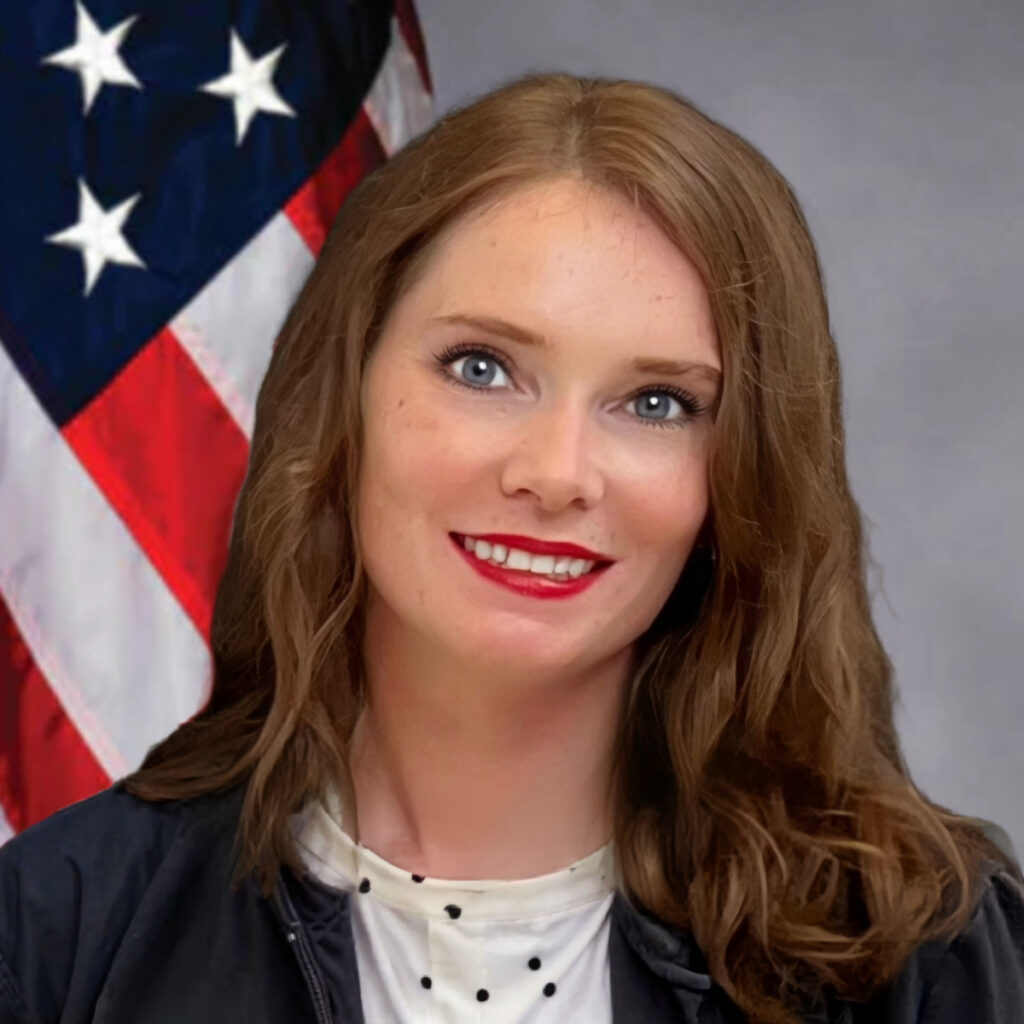
Shannon Fitzgerald is a clinical exercise physiologist and registered nurse who integrates exercise science into patient care across medical-surgical, cardiac, and specialty settings. She currently serves veterans at the Department of Veterans Affairs in Manchester, New Hampshire, where she helped implement both home-based cardiac and pulmonary rehabilitation programs—making her facility the only VA in New England to offer both. In recognition of her leadership and impact, she was named the 2026 ACSM Certified Professional of the Year, an honor awarded to professionals who advance health and quality of life through exercise science and clinical practice. Outside of her clinical work, she is a wife, mother of three, and athlete who believes wellness is built through persistence, purpose, and a lifelong connection to movement.