

Findings from the Exercise, Sport and Movement Paper of the Year
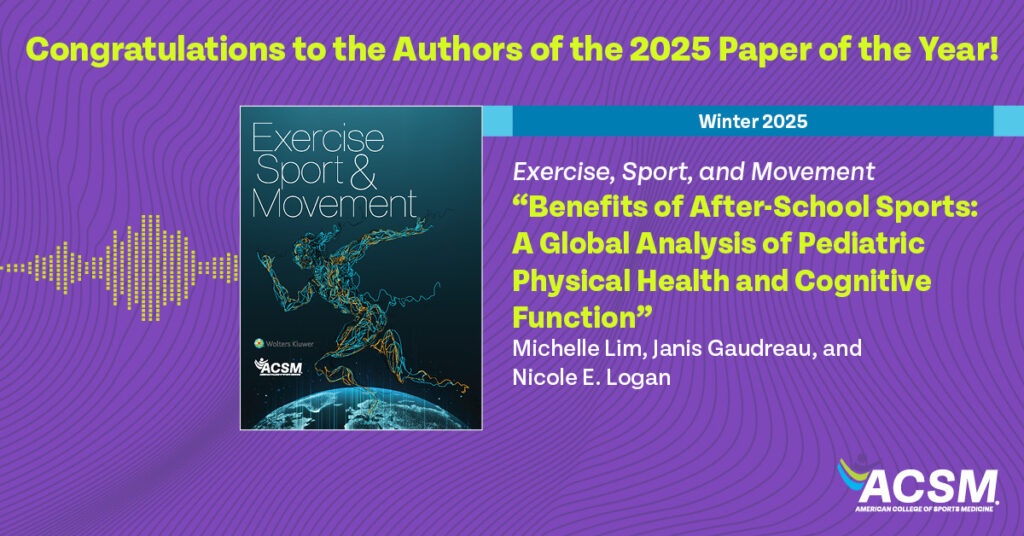
At a time when most children are not getting enough daily physical activity, a paper recognized by the American College of Sports Medicine (ACSM) as a 2025 Paper of the Year highlights a powerful, accessible solution: participation in after-school sports.
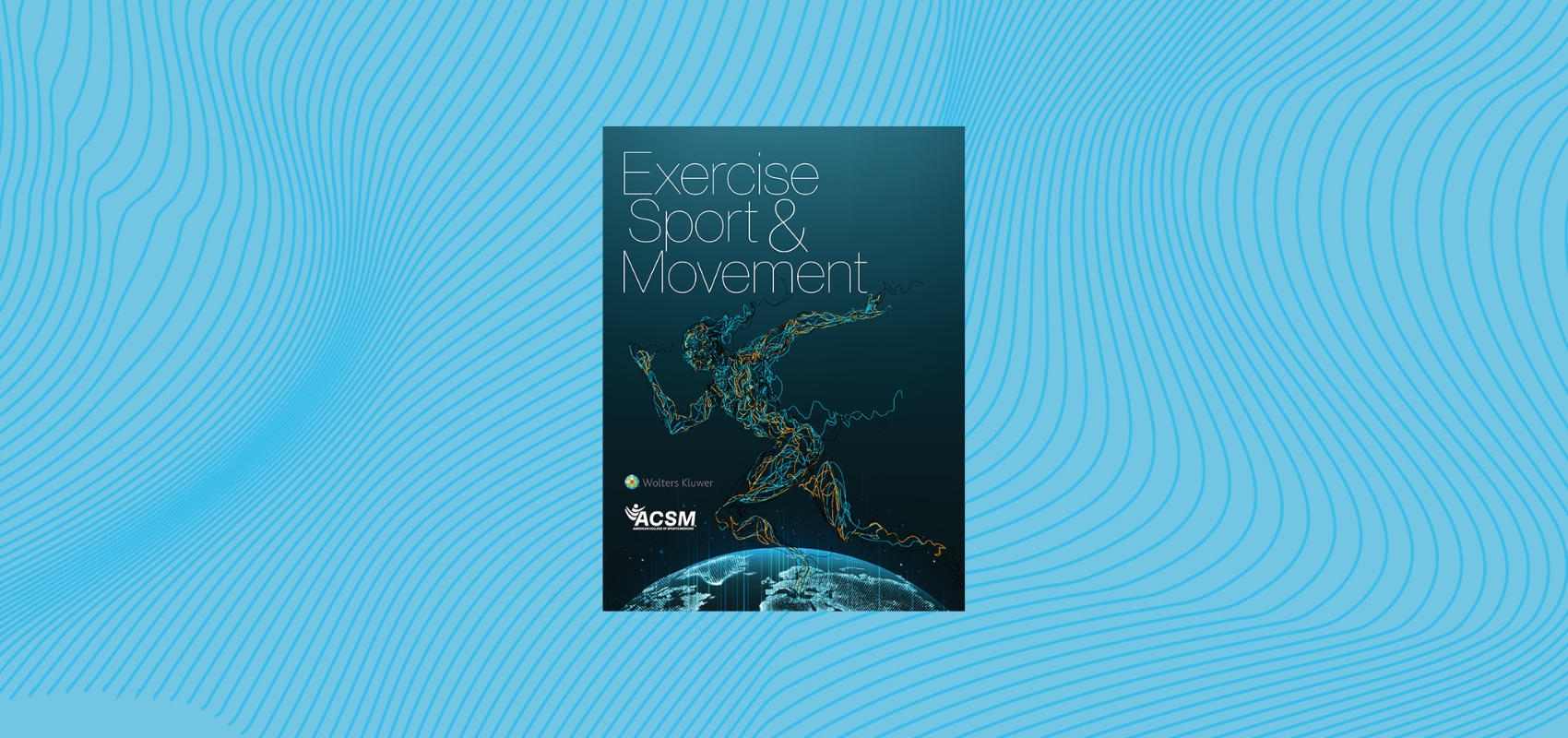
The paper, “Benefits of After-School Sports: A Global Analysis of Pediatric Physical Health and Cognitive Function,” published in Exercise, Sports, and Movement (ESM), demonstrates that children who participate in after-school sports show measurable advantages across cognitive performance, mental health and physical fitness—even when accounting for socioeconomic and demographic differences.
“This paper stood out for both its scientific rigor and its clear societal relevance,” said Jennifer J. Heisz, PhD, editor-in-chief of ESM. “The findings provide meaningful evidence that participation in after school sports is associated with benefits across cognitive, mental health, and physical domains, underscoring the importance of expanding equitable access to school and community programs that support brain and body health.”
The findings reveal consistent and wide-ranging benefits. Children who participated in after-school sports demonstrated improved:
- Executive function and processing speed
- Language comprehension skills
- Academic-related outcomes
- Social awareness
- Physical health indicators including muscular strength and flexibility, daily energy expenditure and resting heart rate
“We show that children and teens who participated in after-school sports consistently demonstrated better psychological and physical health outcomes than those who didn’t,” said Nicole E. Logan, PhD, one of the paper’s authors. “An important aspect of this study is that even after controlling for socio-demographic determinants of physical activity, we still observed widespread benefits for fitness, muscular strength, flexibility, social awareness skills, executive function, and academic performance. Given that health disparities persist for many families, our results show that we should encourage equitable access to sport and physical activity to promote healthy child development.”
Experts from ACSM are available to discuss the implications of this research, including how schools and communities can implement programs that improve both physical and cognitive outcomes for children.
Media contact: Caitlin Kinser, CAE
###
About the American College of Sports Medicine
The American College of Sports Medicine (ACSM) is the largest sports medicine and exercise science organization in the world, with nearly 50,000 members and certified professionals in more than 100 countries. Together, ACSM is committed to the mission of educating and empowering professionals to advance the science and practice of health and human performance. ACSM advocates for legislation to help the government and health community make physical activity a priority. Learn more at www.acsm.org.
About Exercise Sport, and Movement (ESM)
ESM is the open-access journal for the American College of Sports Medicine. ESM is an international peer-reviewed journal focusing on all aspects of exercise science and sports medicine. As an open-access journal, ESM offers its content free to any reader and article authors retain copyright to the published materials.
The scope of the journal is broad, encompassing scientific, clinical, public health, community, and policy topics in all areas related to sports and exercise medicine, exercise-related physiology, nutrition, metabolism, and physical fitness. Manuscripts addressing movement, fitness, exercise, physical activity, health promotion, sport, and prevention and treatment of injury and disease are welcome.