

Kidney function tends to decline with age, even in people without chronic kidney disease (CKD). Although age-related kidney function decline may initially go unnoticed, progressive deterioration can increase the risk of CKD, cardiovascular complications, and, in severe cases, kidney failure requiring dialysis or transplantation. Identifying modifiable factors associated with slower kidney function decline before CKD develops may therefore offer new opportunities to support healthy aging. Cardiorespiratory fitness (CRF) is widely recognized as an indicator of cardiovascular and metabolic health, but could it also be associated with slower kidney function decline as we age?
This question motivated our recent study published in Medicine & Science in Sports & Exercise. Previous research has linked CRF to kidney health, but evidence on whether CRF is associated with subsequent kidney function decline among individuals with preserved kidney function remains limited. We were particularly interested in changes over several years, rather than kidney function measured at a single point in time.
Using data from the Aging Kidney Study in Japan, we examined 198 adults with preserved kidney function, most of whom were middle-aged or older. At baseline, participants completed a submaximal cycling test during which we measured oxygen uptake at the ventilatory threshold, an indicator of aerobic fitness. We then assessed kidney function repeatedly over five years, using blood-based estimates of how efficiently the kidneys filter waste. These estimates were calculated separately using serum cystatin C and serum creatinine, two commonly used biomarkers for estimating kidney function.
Participants with higher baseline CRF tended to show a slower decline in kidney function when estimated using cystatin C, even after accounting for age, sex, baseline kidney function, and other relevant factors. Higher CRF was also associated with a lower likelihood of experiencing a decline of at least 20% in cystatin C-based estimated kidney function during follow-up. In contrast, we did not observe a significant association between CRF and the rate of kidney function decline when estimated using serum creatinine.
Why might the choice of kidney marker matter? Creatinine levels are influenced not only by kidney function but also by muscle mass and other factors related to physical fitness. Cystatin C is generally less affected by muscle mass, although it too has limitations. Our findings therefore highlight an important methodological consideration for researchers studying exercise and kidney health: different approaches to estimating kidney function may lead to different conclusions. However, they do not establish that one marker is always superior to the other.
For physicians, exercise professionals, and researchers, our findings suggest that CRF may be relevant to kidney health even before clinically apparent kidney dysfunction develops. At the same time, CRF explained only a modest proportion of the variability in kidney function decline, and our observational study cannot establish that improving fitness will prevent kidney disease. Future intervention studies are needed to determine whether improving CRF can help preserve kidney function. We hope these findings encourage a broader perspective on healthy aging—one that considers kidney health alongside the well-established cardiovascular benefits of physical fitness.
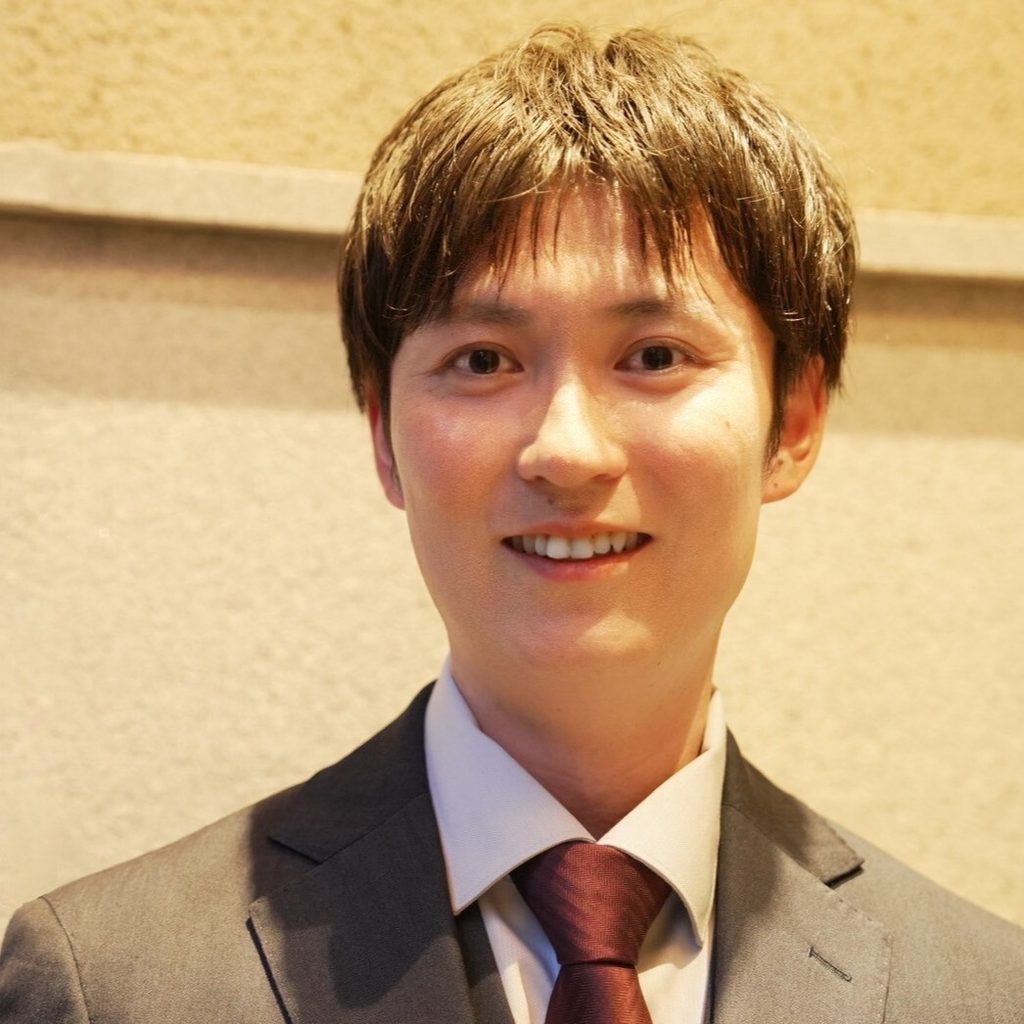
Shun Yoshikoshi, PT, PhD, is a specially appointed assistant professor at the University of Tsukuba, Japan. As a physical therapist, he has conducted research on physical function in patients undergoing hemodialysis. His research interests have since expanded to the prevention of chronic kidney disease and age-related kidney function decline, with a particular focus on physical function, physical activity, and cardiorespiratory fitness. His work aims to better understand the role of exercise and physical fitness in maintaining kidney health across different stages of kidney disease.
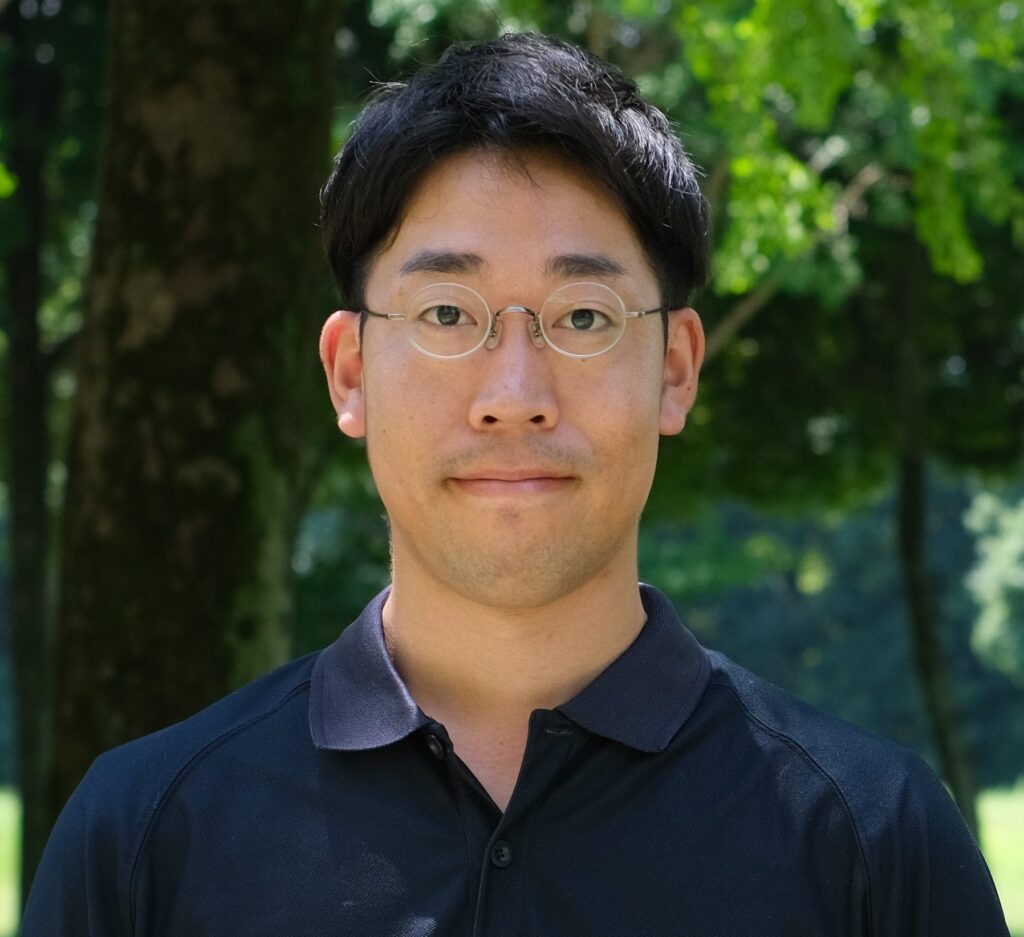
Keisei Kosaki, PhD, is an assistant professor in the Institute of Health and Sport Sciences at the University of Tsukuba, Japan. His research focuses on sports medicine and exercise physiology, with particular emphasis on the relationships between physical activity, physical fitness, and kidney and cardiovascular health. He leads the Aging Kidney Study, a longitudinal research project investigating factors associated with age-related changes in kidney function and renal hemodynamics. His work aims to advance the understanding of how exercise and lifestyle behaviors contribute to the prevention of kidney and cardiovascular diseases and the promotion of healthy aging.