
As worsening air quality and wildfire events increasingly impact communities worldwide, a paper recognized by the American College of Sports Medicine (ACSM) as a 2025 Paper of the Year is drawing attention to a growing but often overlooked threat to athletes and active individuals: the impact of air pollution on performance, health and safety.
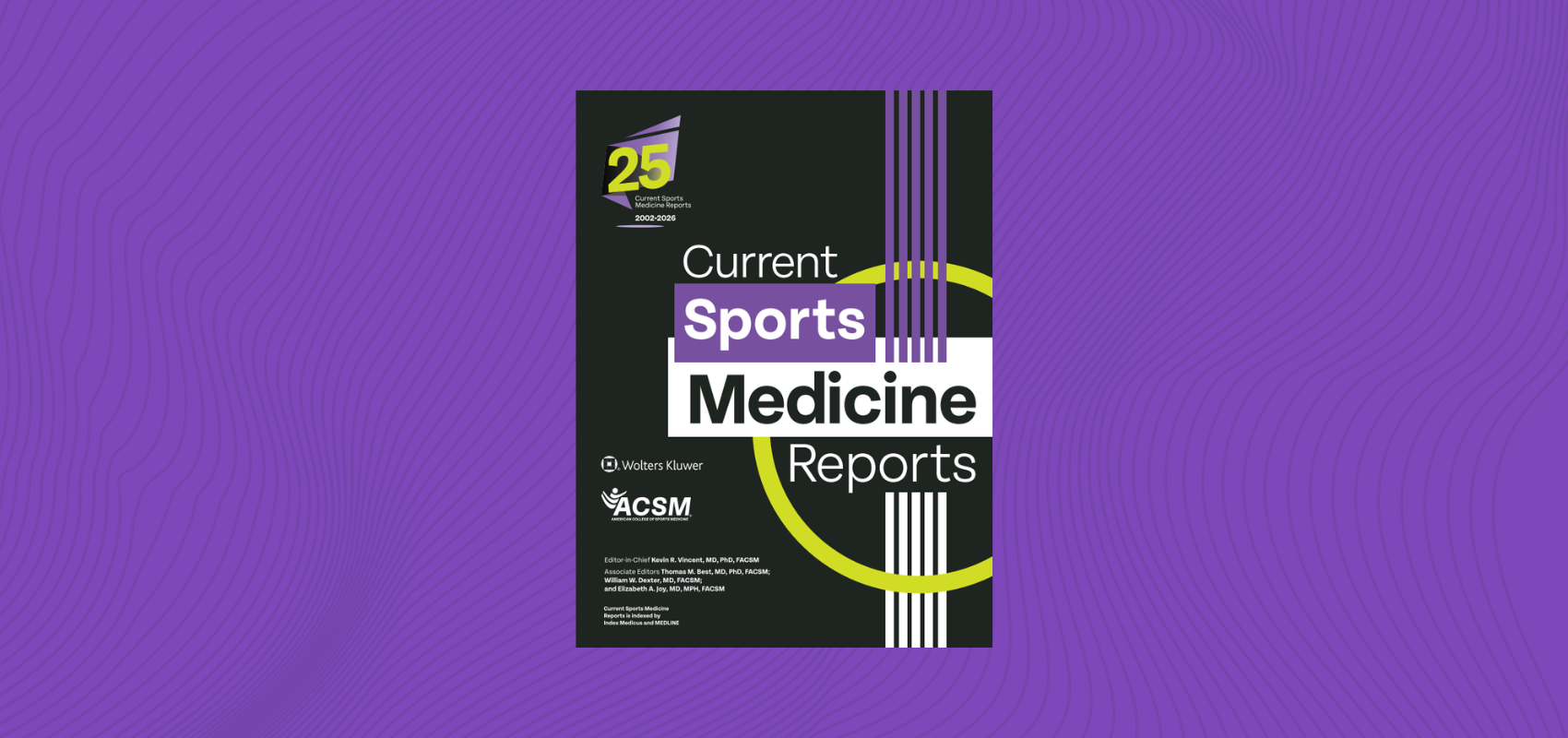
The paper, “Air Pollution and Its Effects on Sports and Exercise: A Narrative Review of Impacts and Mitigation Strategies,” published in Current Sports Medicine Reports, was selected by the journal’s editorial leadership as one of the most important contributions of the year. Rather than presenting new experimental findings, the article synthesizes a wide body of scientific evidence to deliver actionable, real-world guidance for athletes, coaches and organizations navigating training in increasingly polluted environments.
Air pollution is already responsible for an estimated 7 million deaths globally each year, and athletes may face even greater risk.
“This review is a critical, timely synthesis exploring how escalating air pollution and wildfire events impact athletic performance and cardiorespiratory health,” said Kevin R. Vincent, MD, PhD, FACSM, editor-in-chief of Current Sports Medicine Reports. “It explains that because athletes breathe more deeply during exercise, they bypass natural respiratory defenses and inhale higher pollutant doses that trigger inflammation and reduce stamina. The paper’s contribution is uniquely practical, offering actionable mitigation strategies. Ultimately, this research provides a scientific foundation for sports organizations and urban planners to develop training protocols and public health policies that protect athletes in a changing climate.”
The review highlights evidence linking air pollution exposure to decreased endurance, impaired lung function and even cognitive effects that can influence decision-making and performance. Studies cited in the paper show that pollution exposure can slow marathon times, reduce high-intensity effort in team sports and increase errors in professional athletics.
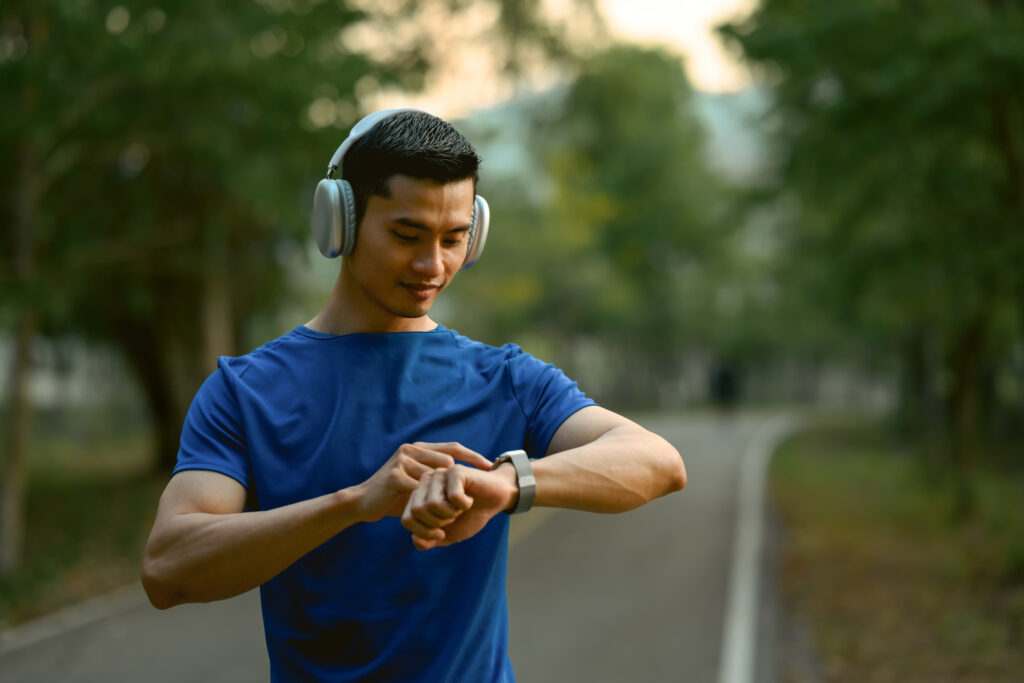
“When we exercise in polluted air, we breathe in more harmful particles and gases, which can affect not just our health but also how well we think and perform,” said Michael S. Koehle, MD, PhD, one of the paper’s authors. “As air quality worsens globally, athletes and active individuals need to consider how, when, and where they train to reduce these risks.”
Practical mitigation strategies are provided, including:
- Adjusting training times to avoid peak pollution periods
- Increasing distance from traffic-related pollution sources
- Using air quality monitoring tools
- Considering indoor alternatives when necessary
The paper also underscores important equity and population considerations, noting that certain groups—including youth athletes, para-athletes, tactical athletes and individuals in disadvantaged communities—may face heightened exposure and risk due to environmental and socioeconomic factors.
By recognizing this paper as one of the most impactful of the year, ACSM underscores the importance of translating scientific evidence into practical strategies that protect both performance and health. The findings point to a clear takeaway: optimizing when and where people exercise may be just as important as how they train.
Experts from ACSM are available to discuss the implications of this research, including how athletes, coaches and organizations can adapt training strategies in response to worsening air quality.
Media contact: Caitlin Kinser, CAE.
###
About the American College of Sports Medicine
The American College of Sports Medicine (ACSM) is the largest sports medicine and exercise science organization in the world, with nearly 50,000 members and certified professionals in more than 100 countries. Together, ACSM is committed to the mission of educating and empowering professionals to advance the science and practice of health and human performance. ACSM advocates for legislation to help the government and health community make physical activity a priority. Learn more at www.acsm.org.
About Current Sports Medicine Reports
An official journal of the American College of Sports Medicine (ACSM), Current Sports Medicine Reports is unique in its focus entirely on the clinical aspects of sports medicine. This peer-reviewed journal publishes articles reviewing recent and important advances in the field that have clinical relevance, translating the latest research into information physicians can use in caring for their patients.