As a sports nutritionist, I spend too many counseling hours resolving the weight concerns of athletic people. Females and males alike come to me trying to figure out how to lose weight. The “eat less and move more” paradigm doesn’t always work. Weight is more than a matter of will power.
Despite restricting their food intake, some athletes aren’t losing weight. They ask if they are eating too much. Others wonder if their lack of weight loss is because they are eating too little. Both feel frustrated their bodies defy their attempts to shed fat.
REDs
Athletes who undereat may be experiencing relative energy deficiency in sport (REDs). Relative energy deficiency happens when an athlete eats well but not enough to support both normal body functions and the demands of exercise. REDs is a constellation of symptoms — including eating disorders/disordered eating, stress fractures, low libido (men), amenorrhea (women), depression, hormonal imbalance and altered metabolism — that can impair overall health and performance. Despite consuming, let’s say, 2,500 calories a day, a female athlete can still have an energy (calorie) deficit relative to how much fuel her body actually requires. Over the long term, this low energy availability (LEA) contributes to the symptoms associated with REDs.
LEA
Athletes can be in a state of LEA and still remain weight stable, despite having undesired body fat. They (understandably) become frustrated at the lack of fat loss despite their efforts to slim down. As one runner said: “I should be pencil thin by now, for all the exercise I do.”
The body does an amazing job of conserving energy and curbing fat loss when food is scarce. Signs of energy conservation include chronically cold hands and feet, irregular or no menstrual period in women and low libido with no morning erection in men. Constant food thoughts (e.g., finishing one meal only to start thinking about the next one), trouble concentrating and poor sleep are also signs of LEA.
LEA can happen unintentionally due to lack of nutrition knowledge about how much an athlete “deserves” to eat. Because we live in a “food is fattening” culture, hefty meals often get negatively scrutinized. (“You’re really going to eat that much food?!”). Female endurance athletes commonly need more than 2,400 calories a day and males more than 2,800 depending on their body size, sport and training hours.
How Much Is Enough?
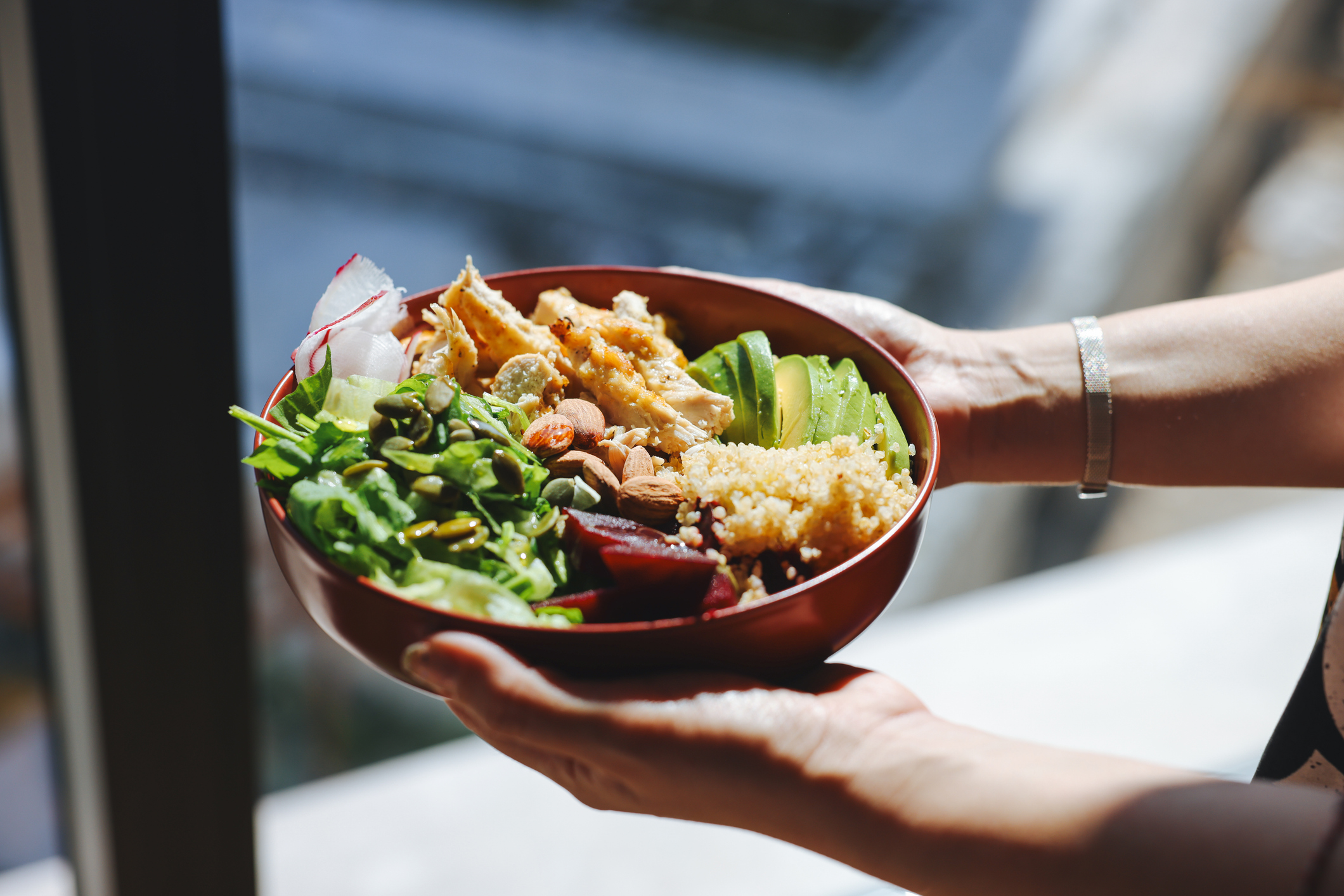
For athletes fearful of weight gain, selecting the appropriate amount of food can become a daunting challenge without a structured food plan, particularly for those who “eat healthy” (e.g., no added sugar, fat or “fun foods”). They can easily fail to consume enough calories because a high-quality diet (based on lean proteins, fiber-rich veggies, whole grains and fruits) is filling and curbs the appetite. Suggestions: Eat more nuts, olive oil and even some fun foods. A reasonable target is 85-90% quality calories and 10-15% fun foods. Yes, when you need a lot of calories, it’s okay to plan in a few sweets and treats.
LEA also happens with intentional food restriction, as with dieting, disordered eating and eating disorders. Other barriers to increasing food intake can include lack of time to prepare/eat the food as well as lack of money to buy the food. Chronic food restriction means reduced consumption of not just calories but also vitamins, minerals, protein and bioactive compounds that promote a strong immune system, health and performance. LEA can potentially lead to yet another injury and ruin an athlete’s career. Recovery from chronic LEA can take months (to regain menstrual status) and years (to restore lost bone mineral density).
“Just eat more” is not a simple solution for LEA among athletes who have a poor relationship with food and fear weight gain. While they may want to eat “normally,” they can experience high anxiety. After all, “How can I eat more calories and not get fat?” Answer: Your body will stop hibernating. You will feel warmer, more energetic, and overall perkier.
Calorie Budgeting
Knowing how much is okay to eat — your calorie budget — can be helpful information and give context to information on food labels. For example, a 250-calorie energy bar is too little when your calorie budget is 400 calories per snack. Most athletes underestimate their required energy (calorie) needs and also underestimate how many calories they burn during exercise. Hence, they can find it eye opening and very helpful to learn their actual calorie requirements. Knowing how much is okay to eat can boost food intake — guilt free!
The Mental Component
That said, calorie education alone is unlikely to inspire all athletes to increase their food intake. That’s because eating more than usual can be scary. In one study, 62% of 55 female athletes with LEA reported being afraid their weight and body shape would change and hurt their performance. Yet, adding just 300 to 350 calories a day can lead to resumption of menses in the majority of women — without needing to cut back on their training. Adding those calories before exercise can feel like a “safe” time to do so.
Research indicates any weight gain (related to the added calories) tends to be minimal. A small (2-10lb) increase in body weight may be required to induce menstrual recovery — and the benefits are worth it!
What to Do
Don’t let fear or shame get in your way of seeking food help. Two-thirds of athletes with LEA reported they welcomed the support of a sports nutritionist who educated them about their calorie needs, helped them develop an eating plan, and supported the implementation of the plan. If you are now inspired to talk with a local sports nutrition professional, find one who is a registered dietitian (RD or RDN) and a certified specialist in sports dietetics (CSSD). The referral networks at Eatright.org and Healthprofs.com can be helpful.
No need to feel shame for seeking help. Making seemingly simple dietary changes can be hard, and an understanding RD-CSSD can help you make changes more easily.

Nancy Clark, MS, RD, CSSD, counsels both fitness exercisers and competitive athletes in the Boston area. Her bestselling Sports Nutrition Guidebook is a popular resource. Visit NancyClarkRD.com for more information.